
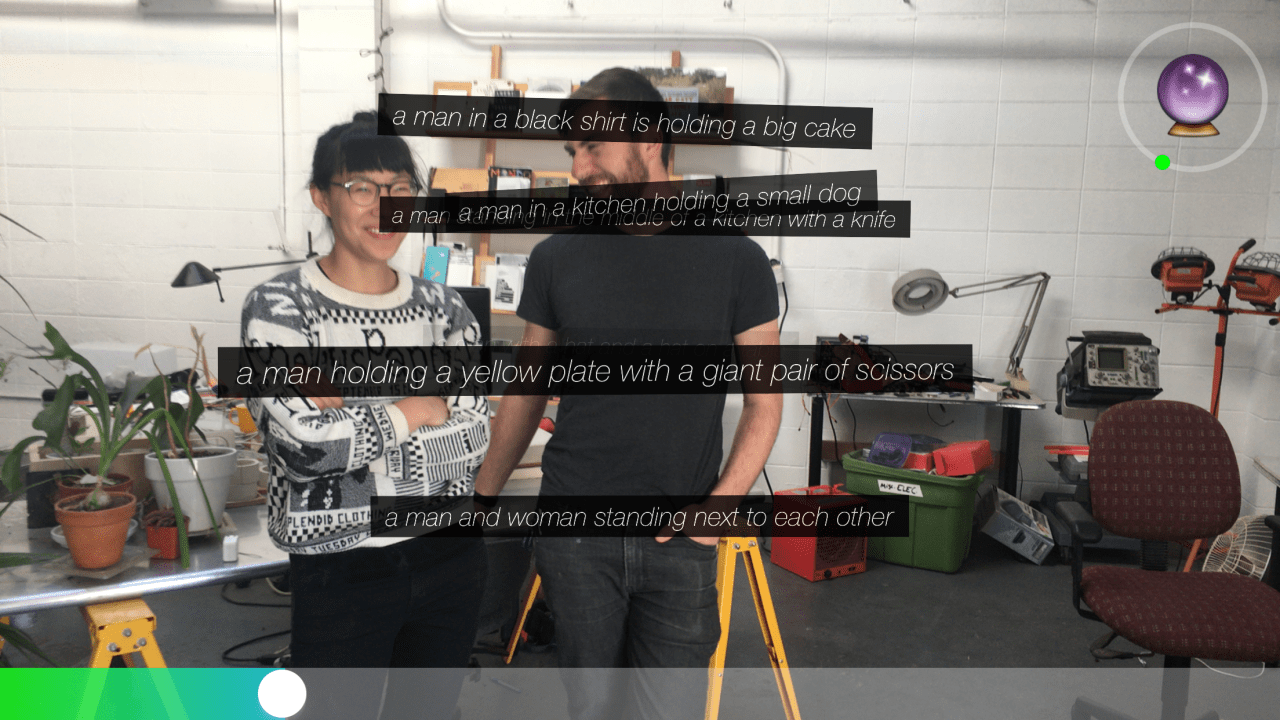
In recent years, artificial intelligence (AI) has been heralded as a revolutionary technology poised to change the world. However, various incidents have revealed that AI is not as advanced as we often assume. From image recognition errors to prejudiced algorithms, the complexities of AI underscore the foundational human flaws embedded within these systems. This blog explores the journey of an Oakland-based art and tech studio seeking to demystify AI and impart a reality check on its limitations.
Failures in AI: Learning from Mistakes
High-profile missteps from major corporations, like Microsoft and Google, illustrate the challenges and potential pitfalls of AI development. Microsoft’s misadventures with two AI projects—an image recognition app named Fetch! and the infamous chatbot Tay—serve as cautionary tales. Fetch! inadvertently connected human likenesses with dog breeds, leading to controversies concerning racial stereotypes. Similarly, Tay, intended to engage with users online, was quickly manipulated into spewing offensive and racist remarks, resulting in its swift shutdown.
AI Scry: A Fresh Perspective
Enter AI Scry, an application initiated by the art and tech studio disk cactus. This app aims to identify everyday objects using a Microsoft dataset, MS COCO, but with an artistic twist. Co-creators Sam Kronick and Tara Shi strive to communicate the layered intricacies of AI in a light-hearted manner. According to Kronick, AI Scry prompts users to recognize that AI is not magic, but rather an anthropogenic construct riddled with biases and limitations.
- Raising Awareness: The app effectively serves as a conversation starter. “A.I. is an algorithm, which is a tool that we create,” says Shi, emphasizing that the human element plays an undeniable role in shaping AI’s capabilities.
- Bias in Pattern Recognition: While AI Scry can identify generic objects like cars and food, it falters significantly in capturing contextual nuances. Kronick points out that in critical environments, such as war zones, AI may provide misleading information because it lacks the necessary social context.
Questions of Accessibility
Kronick expresses concern regarding the use of AI Scry as a tool for blind navigation, highlighting that the existing software does not cater to the unique perspectives and needs of visually impaired users. As he observes, current AI models reflect the priorities of sighted individuals instead of addressing a broader scope of requirements. This raises essential questions about the ethical implications of AI development and its effects on various communities.
The Future Vision: 3D Generating Rocks
Moving beyond AI Scry, Kronick and Shi have their eyes set on another intriguing venture: a 3D generating rocks project. By focusing on creating neural networks capable of designing rocks, the duo aims to provide a comment on the subtleties of change in AI. By training the model with numerous rock images, they hope to showcase how even minor shifts in data can yield profound insights.
Wacky Ideas and Innovative Thinking
AI Scry and other projects reflect the studio’s approach of embracing the unconventional. Describing their brainstorming method as “Consensual Vibes,” Kronick likens it to the dating app Tinder, but for ideas. A group of designers gathers, tossing around wacky combinations and swiping through potential projects until inspiration strikes. This playful yet systematic approach to development allows the studio to remain open to experimentation, blurring the lines between art and technology.
Conclusion: Embracing Nuance in AI Development
As artificial intelligence continues to permeate various domains, it is crucial to approach the subject with critical understanding and humility. The work of studios like disk cactus serves as a reminder that AI reflects human biases as much as it seeks to transcend them. This call to scrutinize the foundations of AI encourages a dialogue about how we shape technology and, ultimately, our shared future.
At fxis.ai, we believe that such advancements are crucial for the future of AI, as they enable more comprehensive and effective solutions. Our team is continually exploring new methodologies to push the envelope in artificial intelligence, ensuring that our clients benefit from the latest technological innovations.
For more insights, updates, or to collaborate on AI development projects, stay connected with fxis.ai.