
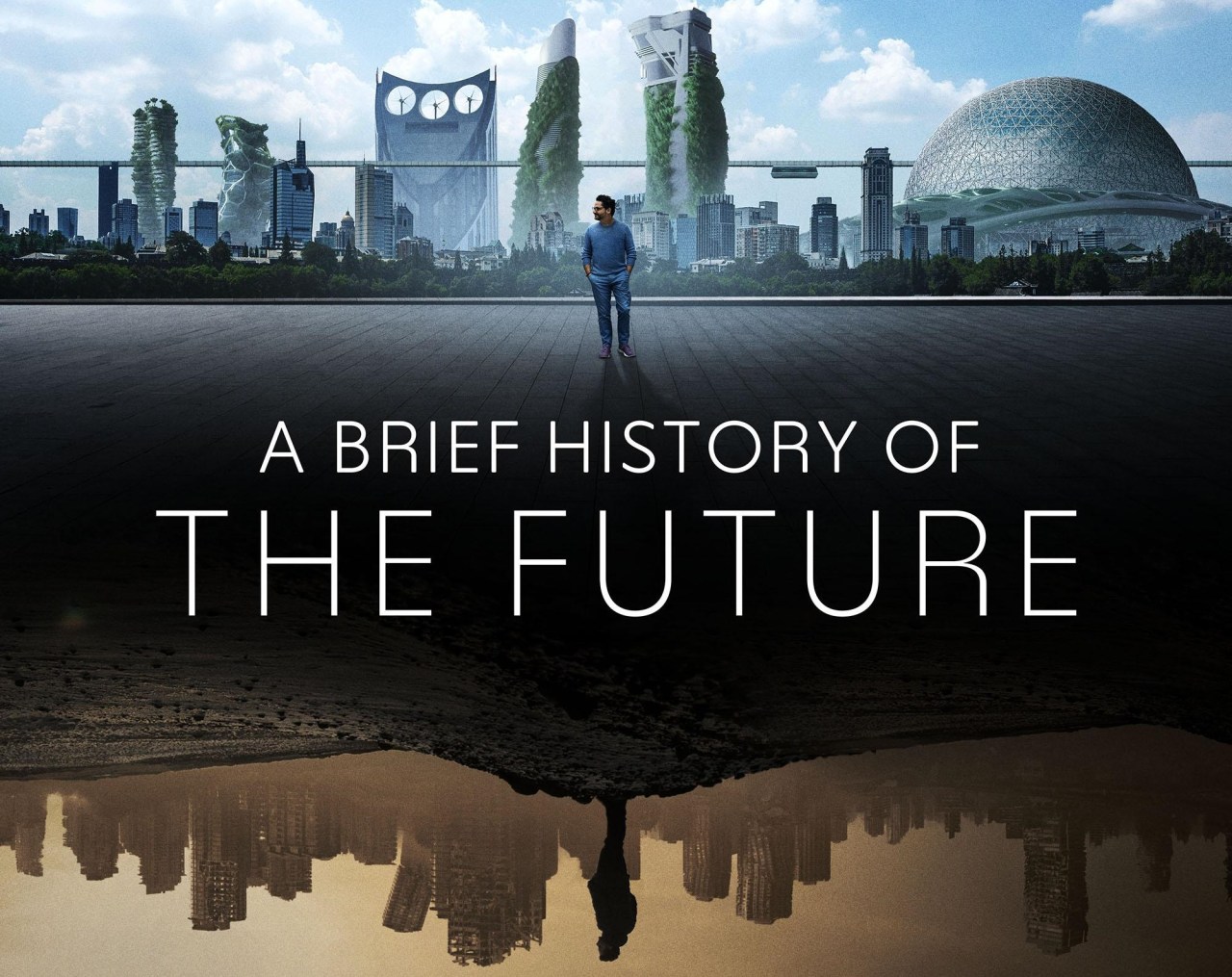
The realm of technology journalism often finds itself entrenched in a sea of skepticism, where depictions of a dystopian future dominate the narrative. In a climate where the perils of advancement are repeatedly hashed out, it can feel refreshing—and even revolutionary—to step away from the bleak perspectives. Enter “A Brief History of the Future,” a groundbreaking documentary series hosted by Ari Wallach. This PBS production endeavors to shift the focus from fear to hope, highlighting the myriad ways that technology can bring forth positive change in our lives.
Reframing the Narrative
The heart of Wallach’s series resides in its ability to challenge the prevailing cynicism surrounding technology. Instead of solely concentrating on the risks—often exacerbated by corporate interests—”A Brief History of the Future” emphasizes the promise that innovation holds. Wallach astutely articulates the problem: when asked about the future, the overwhelming majority of Americans respond with anxiety or a narrow focus on technology’s downsides. This series stands as an intervention, revealing how multiple individuals and communities are proactively sculpting a better tomorrow.
Voices of Change
Throughout the six-part series, Wallach speaks with a diverse array of thought leaders and innovators, shedding light on sustainable practices from mushroom leather production to ocean cleanup initiatives and even the emotional support provided by death doulas. This unique blend of interviews illustrates how various communities are confronting global issues, no matter how large or small their actions may seem. The narrative that emerges is a tapestry of stories that redefines hope, emphasizing the transformative power of proactive thinking and grassroots initiatives.
A Culture of Empowerment
What is especially compelling about Wallach’s project is its commitment to fostering a culture of empowerment. The documentary does not simply present problems; it offers a counter-narrative filled with solution-oriented perspectives. By doing so, it encourages viewers to envision a future brimming with possibility rather than despair. Wallach highlights the urgency of enacting change without succumbing to a purely profit-driven lens, positing a broader approach that values community-driven solutions over Silicon Valley hype.
Lessons for Future Generations
The educational angle of this series cannot be overstated. Wallach and his team have developed resources aimed at teachers and students, providing a framework for discussing these critical issues in classrooms. By engaging with educational materials designed for over 1.5 million teachers, the series aims to impact as many as 20 million children—ensuring that the conversation around the future is not just theoretical but practical and actionable.
Broadcasting Brighter Horizons
Curious audiences can tune in to “A Brief History of the Future” every Wednesday at 9 p.m., following “Nova” on PBS, or catch it online for free. This accessibility is vital; it ensures that vital discussions about technology’s potential reach those who might not engage with the tech-dominated landscapes of social media or streaming platforms. Wallach’s meticulous effort to make this content palatable for a broad audience is commendable, particularly as it can inspire those who remain hopeful about the potential of technology.
Conclusion: Embracing the Future
As viewers embark on this educational journey, they are invited to reconsider their perceptions of tomorrow. “A Brief History of the Future” serves as both a mirror and a window—reflecting societal anxieties while providing a glimpse into the innovative solutions of today. Rather than accepting a dismal outlook, it urges us to engage with the future in a more constructive manner. At fxis.ai, we believe that such advancements are crucial for the future of AI, as they enable more comprehensive and effective solutions. Our team is continually exploring new methodologies to push the envelope in artificial intelligence, ensuring that our clients benefit from the latest technological innovations. For those eager to embrace change, this series is a resounding call to action: the future isn’t just for the technologists—it belongs to everyone willing to shape it.
For more insights, updates, or to collaborate on AI development projects, stay connected with fxis.ai.