
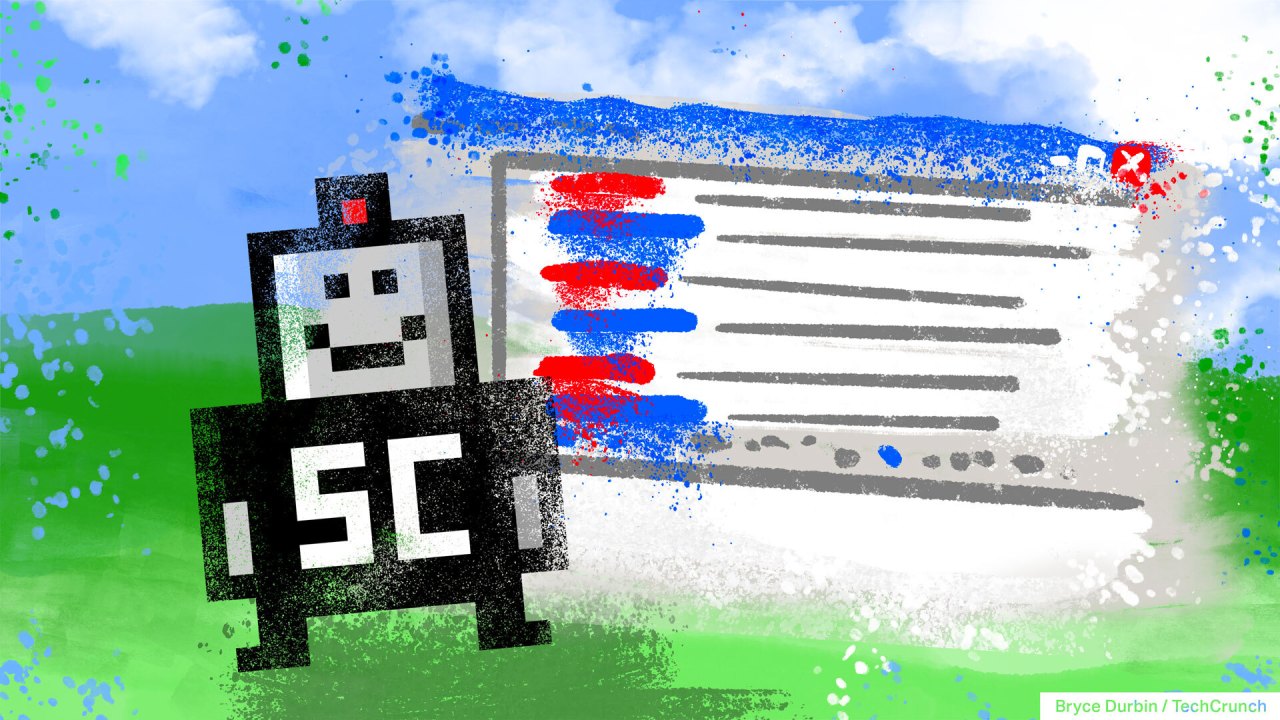
In the digital landscape we inhabit today, where artificial intelligence (AI) frequently plays a role in our daily lives, it’s hard to remember a time when such conveniences were not so readily available. Two decades ago, a platform named SmarterChild pushed the boundaries of what we now classify as chatbot technology. It was not merely an AI—it was a chat companion that initiated countless adolescents into the world of AI communication. Fast forward to the present, and we find ourselves in an era where AI has become ubiquitous, yet one must wonder: Are we losing the personality that once defined interaction with these early technologies?
SmarterChild: The Pioneer of AI Chat Companions
Released in the early 2000s, SmarterChild emerged from ActiveBuddy, capturing the hearts and screens of over thirty million users on AIM and MSN. With an impressive range of conversational knowledge and a bright personality, it paved the way for subsequent voice assistants like Siri, Alexa, and ultimately, modern chatbots like ChatGPT. But what set SmarterChild apart was its ability to engage users beyond mere information retrieval. Its quick wit and ability to remember past conversations made it feel like a true companion.
The Appeal of Personality and Humor
In an age dominated by functionality, the snarky demeanor of SmarterChild offered a refreshing change. When users tested its limits, asking cheeky questions or hurling obscenities, SmarterChild responded with playful retorts. This approach humanized the interaction and rendered it memorable. As Robert Hoffer, one of the co-founders, said, “If you have a personality, and your personality is strong, you will appeal to exactly 50% of the people in the world.” Contrast this with today’s AIs, which often adopt characteristically neutral tones to avoid offending anyone.
SmarterChild’s Legacy and Its Informed Design
SmarterChild was not just a product of whimsy; it was built on a foundation of licensed databases from IMDb, Weather Channel, and more. This allowed the bot to deliver real-time information, making it relevant to its users’ everyday lives. The efficacy of SmarterChild also illuminated a major shift in technological expectations—users were no longer content with slow, cumbersome responses. Hoffer recalled that once text communication was optimized for speed, SmarterChild “showed up like a virus,” capturing the hearts of early internet adopters.
The Dichotomy of AI Development: Progress vs. Caution
While SmarterChild’s journey marks a celebratory milestone in AI history, its authors approach the evolution of this technology with a mix of hope and skepticism. Hoffer likens the current state of AI to “opening Jurassic Park,” imploring us to consider the serious implications of our rapidly advancing capabilities. Meanwhile, Peter Levitan, another co-founder, remains focused on the potential for humanizing AI, advocating that advancements in technology should aim to retain the soul and personality that led users to embrace the early iterations of AI.
The Classroom of Life and Learning from Chatbot Interactions
During a period when instant messaging was our version of social media, we related to SmarterChild not just through questions and answers but through a shared digital existence. It guided us through homework, offered companionship, and even pushed back against our more rebellious instincts. The anecdotes about users testing the chatbot with naughty questions often came with humorous consequences, as SmarterChild would ask for apologies or sidestep lewd overtures with clever responses. Such interactions were formative—not just for those who engaged with it, but for the broader world of AI and how we seek connections with machines today.
Reflecting on the Future: The Intersection of AI and Humanity
As we explore the ongoing advancements in AI, we must recognize that technology is not solely about efficiency. At **[fxis.ai](https://fxis.ai/edu)**, we believe that fostering AI solutions that are not only effective but also reflect the rich tapestry of human emotion is vital. The evolution from SmarterChild to today’s sophisticated AI reflects larger societal questions about the relationships we cultivate with technology. Will our tools for connection continue to carry the joys, quirks, and humor that attracted us in the first place? Or will they become more machine-like, distancing us from the very elements that foster authentic interaction?
Conclusion
In reminiscing about the legacy of SmarterChild, it’s evident that the foundation it laid is still influencing AI development today. As modern chatbots and virtual assistants proliferate in our tech-driven lives, the challenge lies in balancing functionality with a sense of identity and warmth. The AI of tomorrow must strive to forge meaningful connections, merging the wisdom of machines with the nuances of human emotions. After all, it was the wit and charm of SmarterChild that made conversing with a computer feel magical—a lesson worth remembering as we advance into an increasingly automated future.
For more insights, updates, or to collaborate on AI development projects, stay connected with **[fxis.ai](https://fxis.ai/edu)**.
At **[fxis.ai](https://fxis.ai/edu)**, we believe that such advancements are crucial for the future of AI, as they enable more comprehensive and effective solutions. Our team is continually exploring new methodologies to push the envelope in artificial intelligence, ensuring that our clients benefit from the latest technological innovations.