
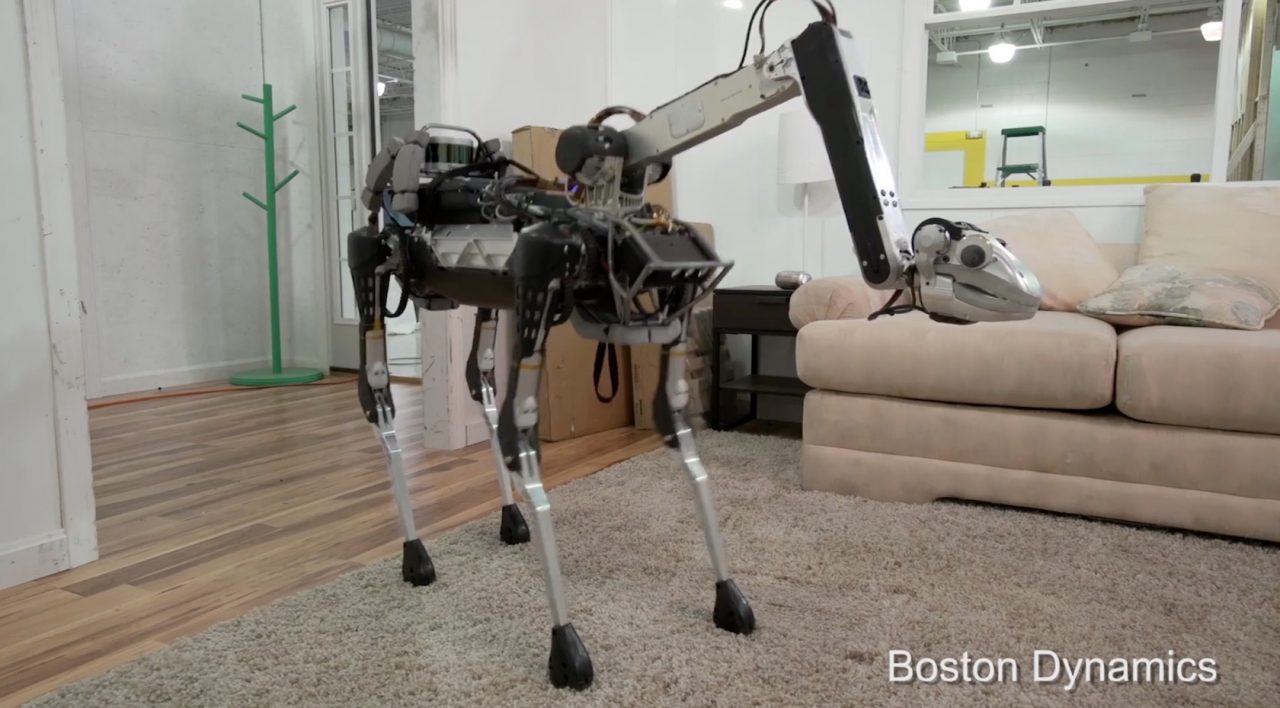
In a move that’s sending ripples across the tech landscape, SoftBank has made headlines by acquiring two renowned robotics firms, Boston Dynamics and Schaft, from Alphabet (Google’s parent company). This acquisition feels like a plot twist from a sci-fi film, and it marks a significant pivot for SoftBank as it establishes itself further in the robotics domain. The transaction comes packed with potential implications for the future of robotics and artificial intelligence. Let’s delve deeper into this noteworthy development.
The Impetus Behind the Acquisition
SoftBank is no stranger to bold maneuvers in the tech world, particularly in robotics. With its popular Pepper robot and hefty investments across the technology sector, the company’s acquisition of Boston Dynamics and Schaft aligns seamlessly with its ambitious vision. Masayoshi Son, CEO of SoftBank, stated that robots are pivotal to tackling issues that human capabilities alone cannot address. This assertion hints at the growing recognition of robotics as key players in the forthcoming Information Revolution.
Boston Dynamics: A Legacy of Engineering Marvels
Founded with an innovative flair, Boston Dynamics has garnered a reputation for its groundbreaking contributions to dynamic robotics. Known for its distinctly agile and often ‘animal-like’ robots like Spot and Atlas, Boston Dynamics has always stood at the forefront of robotic technology. The company’s videos capturing robots performing complex movements—anything from parkour to dancing—have become internet sensations, igniting both admiration and apprehension among viewers. This acquisition is poised to enhance their developmental capabilities, paving the way for even more impressive innovations.
The Enigma of Schaft: A Bipedal Robotics Innovator
Contrasting Boston Dynamics, Schaft has maintained a level of secrecy surrounding its operations. Founded in 2012 and incubated in Tokyo’s prestigious JSK Robotics Laboratory, Schaft has focused on creating advanced bipedal robots. Though they have not generated the same level of publicity as their Boston counterpart, their potential for contributing to future robotics advancements cannot be undermined. With SoftBank’s support, Schaft may finally unveil its potential to the world, scaling its innovations at a pace never seen before.
What Lies Ahead for Robotics?
This acquisition opens doors for numerous possibilities. SoftBank’s extensive network and resources can provide Boston Dynamics and Schaft with the momentum needed to push the boundaries of robotics. Whether it’s through developing smarter robots for industrial automation, aiding disaster response, or enhancing personal assistance technologies, the potential applications are vast and varied. The synergy created by combining SoftBank’s vision with Boston Dynamics’ engineering prowess and Schaft’s innovative capabilities may lead to a new wave of robotic solutions capable of transforming diverse sectors.
Conclusion: A Bright Future for Robotics
The acquisition of Boston Dynamics and Schaft by SoftBank signifies a pivotal moment in the evolution of robotics. As we navigate through a technological revolution where robots may soon become integral parts of our daily lives, the implications of this acquisition are monumental. There is optimism surrounding the collaboration, as it can yield advancements that make life not only more efficient but also safer.
At fxis.ai, we believe that such advancements are crucial for the future of AI, as they enable more comprehensive and effective solutions. Our team is continually exploring new methodologies to push the envelope in artificial intelligence, ensuring that our clients benefit from the latest technological innovations. For more insights, updates, or to collaborate on AI development projects, stay connected with fxis.ai.