
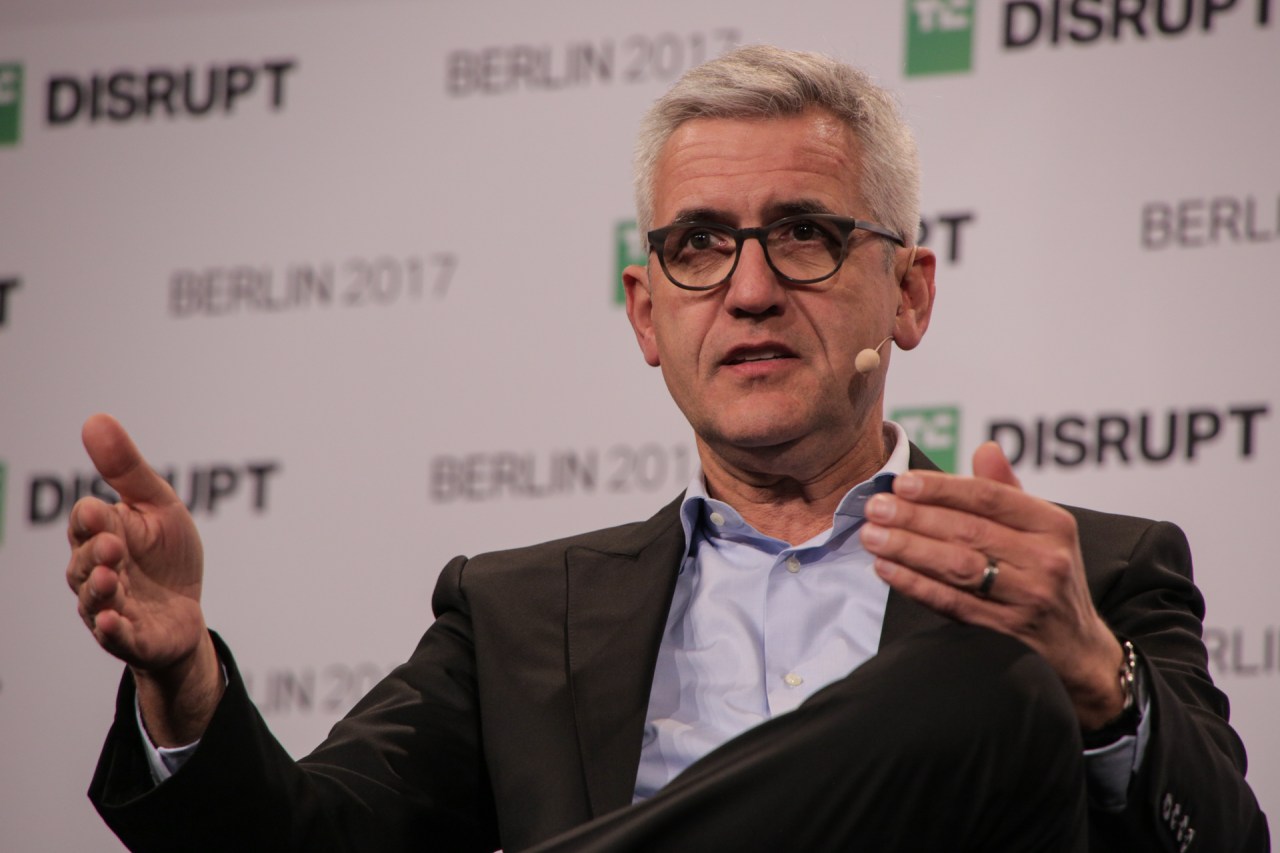
In the ever-evolving technological landscape of the 21st century, the topic of automation often ignites debate and, more troublingly, fear. However, as the CEO of ABB, Ulrich Spiesshofer, pointed out at the Disrupt Berlin event in 2017, there’s no reason to brood over this fear. In fact, a positive outlook toward automation can lead to unprecedented growth and opportunity.
Transforming Lives through Automation
Spiesshofer’s perspective highlights an essential truth: automation has proven to be a powerful force for good, lifting millions out of poverty worldwide. Countries like China and India, which have embraced automation, are experiencing rapid economic growth compared to their counterparts who are hesitant to adapt. The crux of the argument is that technology is beneficial if strategically managed.
Understanding the Facts: Automation and Employment
Contrary to the prevalent narrative, countries with significant robot density such as South Korea, Germany, and Japan boast some of the lowest unemployment rates globally. The statistics reveal a contradiction; increased automation doesn’t equate to diminished job opportunities. Instead, it opens avenues for new skill sets and positions, requiring a skilled workforce adept in collaboration with intelligent systems.
- Job Creation: The evolution of roles such as robot engineers illustrates how automation creates demand for new skills.
- Increased Productivity: Automation streamlines processes, allowing human workers to focus on high-impact tasks.
- Economic Growth: Countries embracing automation are reaping the benefits, reflected in better economic indicators.
Lifelong Learning: A Key to Success
While the benefits of automation are undeniable, the transition is not without its challenges. Spiesshofer emphasizes the importance of a lifelong education ecosystem. Continuous learning is no longer an option but a necessity in today’s job market. Companies must commit to reskilling their employees to keep pace with emerging technologies. This not only boosts employee morale but fosters a culture of loyalty and innovation.
Augmenting Human Potential with AI
At the heart of Spiesshofer’s philosophy lies a compelling notion: artificial intelligence should aim to augment human potential rather than replace it. The examples supported by industry leaders, including Satya Nadella, suggest that AI’s role is to enhance productivity rather than eliminate the workforce. Engineers with a deep understanding of these technologies will remain essential to orchestrate and maintain the infrastructures that automation relies upon.
The Road Ahead: A Collaborative Future
Indeed, the journey toward mass automation will not be seamless. Job security hinges on adaptability and ongoing education. Understanding how to program and work with robots will become increasingly valuable as industries shift their focus toward high-level strategic tasks. The workforce of tomorrow will be defined by its ability to learn and evolve in harmony with technological advancement.
Conclusion: Embrace the Change
It’s clear that automation, when embraced thoughtfully, has the potential to create a brighter future for everyone. As we navigate this transformative era, it’s essential to shed the fear of automation and instead focus on the opportunities it brings. At **[fxis.ai](https://fxis.ai/edu)**, we believe that such advancements are crucial for the future of AI, as they enable more comprehensive and effective solutions. Our team is continually exploring new methodologies to push the envelope in artificial intelligence, ensuring that our clients benefit from the latest technological innovations.
For more insights, updates, or to collaborate on AI development projects, stay connected with **[fxis.ai](https://fxis.ai/edu)**.