
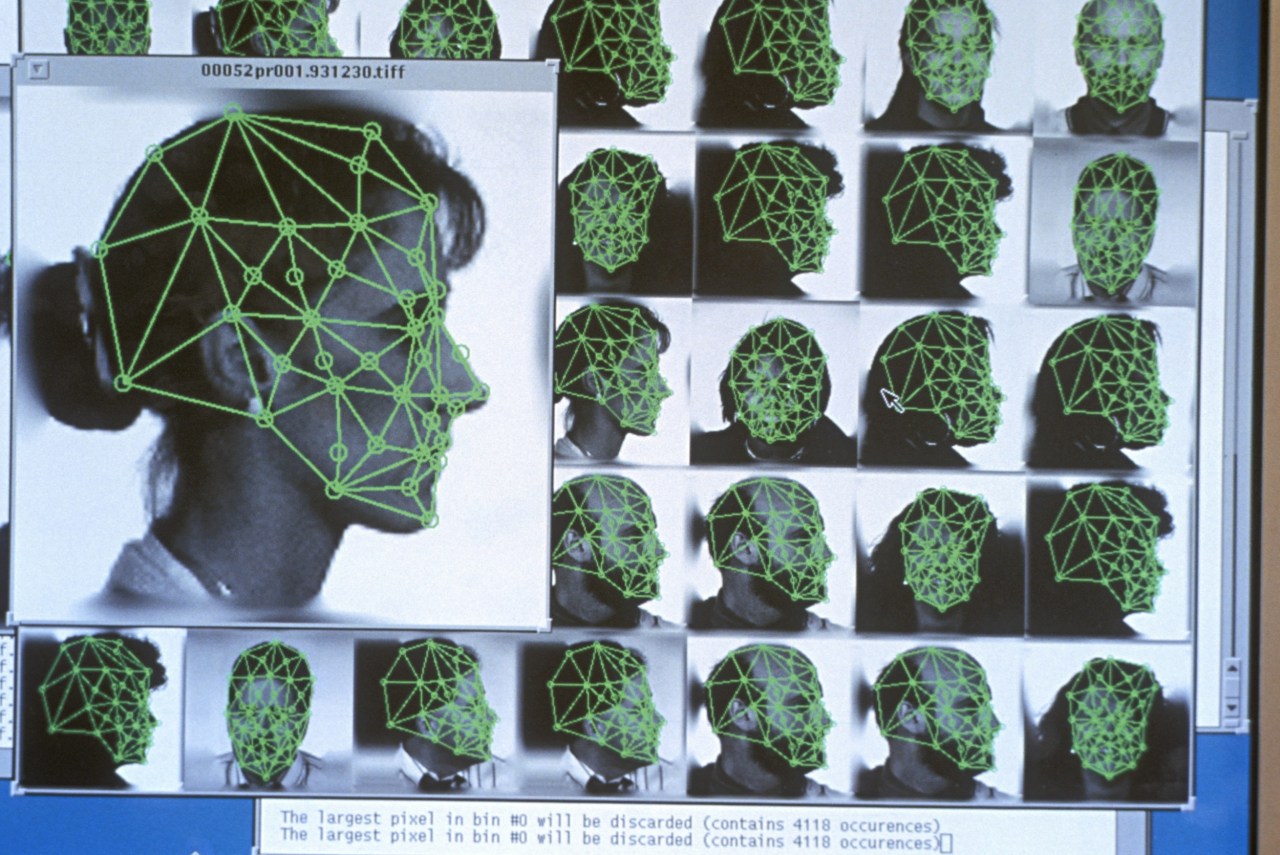
In an age where technology permeates every aspect of our lives, the ethical implications of its use come into sharper focus—especially concerning facial recognition. While this technology presents alluring opportunities for law enforcement and administrative functions, it also carries inherent risks, particularly regarding bias. Recently, Senator Kamala Harris (D-CA) urged federal agencies to acknowledge and address these risks, paving the way for a more responsible approach to AI integration. Let’s explore her significant actions and the broader implications for facial recognition technology.
The Role of Government Oversight
Senator Harris has emphasized the need for regulatory bodies such as the Federal Bureau of Investigation (FBI), the Federal Trade Commission (FTC), and the Equal Employment Opportunity Commission (EEOC) to step up their responsiveness to the challenges posed by facial recognition technology. Her letters address the pressing need for these agencies to not only implement technology but also to scrutinize its impacts on society.
- Ensuring that guidelines acknowledge the potential for bias is vital for agencies that enforce fairness in employment and commerce.
- By calling for transparency and accountability, these letters serve as a wake-up call to both tech developers and regulatory bodies.
Unpacking Bias in Facial Recognition
Much of Senator Harris’s urgency stems from studies demonstrating that facial recognition systems often fall short in accurately identifying people of color and women. This misidentification can have dire consequences:
- Employment Gaps: If an African American woman applies for a job at a company using facial analysis, the technology might misinterpret her mannerisms compared to her peers, potentially impacting her chances unfairly.
- False Accusations: Imagine being misidentified as a shoplifter due to a biased facial recognition system. Such incidents can lead to traumatic experiences and long-lasting negative effects on individuals’ lives.
Senator Harris’s letters call for the EEOC to develop guidelines addressing these challenges directly, ensuring that facial recognition technologies do not become tools of discrimination under existing anti-discrimination laws.
Framework for Accountability
Moreover, Harris’s letters to the FTC highlight the responsibility of tech developers to disclose biases in their facial recognition systems. The FTC’s mandate to protect consumers from deceptive practices extends to ensuring that companies are held accountable for the potential discriminatory effects of their technologies.
- Consumers must be informed of any biases or risks linked to facial recognition technology.
- As Harris pointed out, the lack of awareness can lead to unfair discrimination by good-faith users, rendering them unintentionally complicit in biased practices.
A Call to Action for the FBI
The FBI plays a pivotal role in overseeing facial recognition technology’s deployment in law enforcement. Yet, despite prior recommendations from the Government Accountability Office (GAO), there seems to be a lack of action on their part concerning rigorous testing and oversight.
Senator Harris’s inquiry into the FBI’s compliance with GAO recommendations underscores the pressing need for:
- Thorough testing and annual audits of facial recognition systems to ensure they function effectively and ethically.
- Transparent reporting on how these technologies perform across different demographics, particularly for those historically marginalized.
Conclusion: The Way Forward
As facial recognition technology continues to evolve, addressing its ethical considerations cannot be an afterthought. Senator Harris’s advocacy for federal agencies to address the inherent biases of this technology is a courageous step in the right direction. Government oversight serves not only as a regulatory mechanism but also as a foundation for trust between the public and technological advancements.
At fxis.ai, we believe that such advancements are crucial for the future of AI, as they enable more comprehensive and effective solutions. Our team is continually exploring new methodologies to push the envelope in artificial intelligence, ensuring that our clients benefit from the latest technological innovations.
For more insights, updates, or to collaborate on AI development projects, stay connected with fxis.ai.