
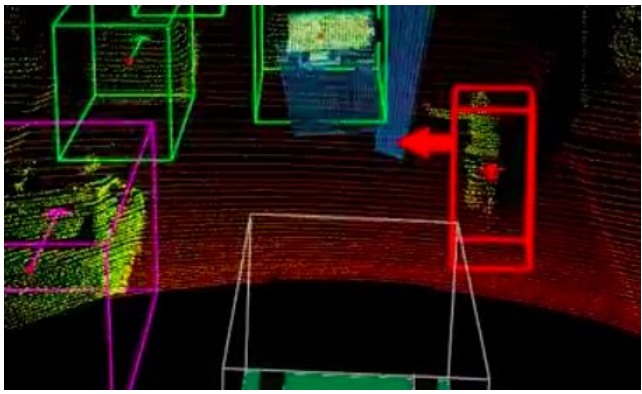
The race towards fully autonomous vehicles has gained significant momentum over the past few years, with companies like Google at the forefront. One thrilling aspect of self-driving technology is the intricate algorithms enabling these vehicles to navigate real-world scenarios with remarkable proficiency. Recently, Google has stepped into the spotlight again, revealing crucial advancements in its self-driving car’s ability to detect and avoid cyclists—a vital improvement considering the growing number of cyclists on the roads.
The Challenge of Cyclist Detection
Cyclists present a unique challenge for autonomous vehicles due to their speed and agility. Unlike cars, which adhere to established patterns of movement, cyclists often exhibit unpredictable behavior, making their detection a high priority for self-driving technology. Google’s June report articulated this well, noting that cyclists can move nearly as fast as full-sized vehicles, making their detection and prediction critical.
Technological Enhancements in Detection
At the core of Google’s innovative approach lies a sophisticated array of sensors, including LIDAR, cameras, and radar systems. These technologies combine to ensure comprehensive awareness of the surrounding environment, enabling the vehicles to detect cyclists from multiple directions simultaneously. Here’s how Google achieves this:
- Multi-Directional Detection: The combination of various sensors allows for the monitoring of cyclists approaching from any angle, enhancing overall safety.
- Individual Tracking: By tracking each cyclist’s movement individually, the cars can predict their likely paths and adjust their own trajectories accordingly.
- Cautious Driving Behavior: When impending cyclist encounters are detected, the self-driving cars are programmed to drive conservatively, providing ample space and refraining from risky maneuvers.
- Hand Signal Recognition: Google’s algorithms are also designed to tune into cyclist hand signals, adding an extra layer of comprehension regarding a cyclist’s intended direction.
Real-World Applications and Tests
Google has been proactive in testing these features in real-world scenarios. In fact, a recent demonstration involved over a hundred Google employees riding bicycles around stationary self-driving cars in Mountain View. This interesting initiative allowed the algorithm to gather real-time data, improving its ability to anticipate cyclist behavior under current road conditions. The outcome? A better understanding of how cyclists operate in tandem with surrounding traffic, allowing for enhanced navigation and interaction.
Safety Over Convenience
With the advent of this cyclist-detection technology, it’s important to note that safety is prioritized over convenience for other road users. While it can be frustrating for drivers to have to wait behind a cyclist occupying the lane, the programming of these cars ensures that cyclists are given their due space, reflecting a commitment to a safer roadway for all. The result: fewer accidents and a harmonious coexistence of all road users. In the month of June, Google reported only two minor incidents involving their vehicles—both of which were not attributed to their cars, highlighting the efficacy of their safety measures.
Conclusion: A Step Towards Greater Integration of Road Users
As self-driving car technology continues to evolve, the integration of cyclists into navigation algorithms is a crucial step towards creating a safer, more adaptable urban environment. Google’s commitment to recognizing cyclists as unique road users reflects a broader understanding of transportation dynamics—one that seeks to minimize risk and enhance collaboration on the roads. At fxis.ai, we believe that such advancements are crucial for the future of AI, as they enable more comprehensive and effective solutions. Our team is continually exploring new methodologies to push the envelope in artificial intelligence, ensuring that our clients benefit from the latest technological innovations.
For more insights, updates, or to collaborate on AI development projects, stay connected with fxis.ai.