
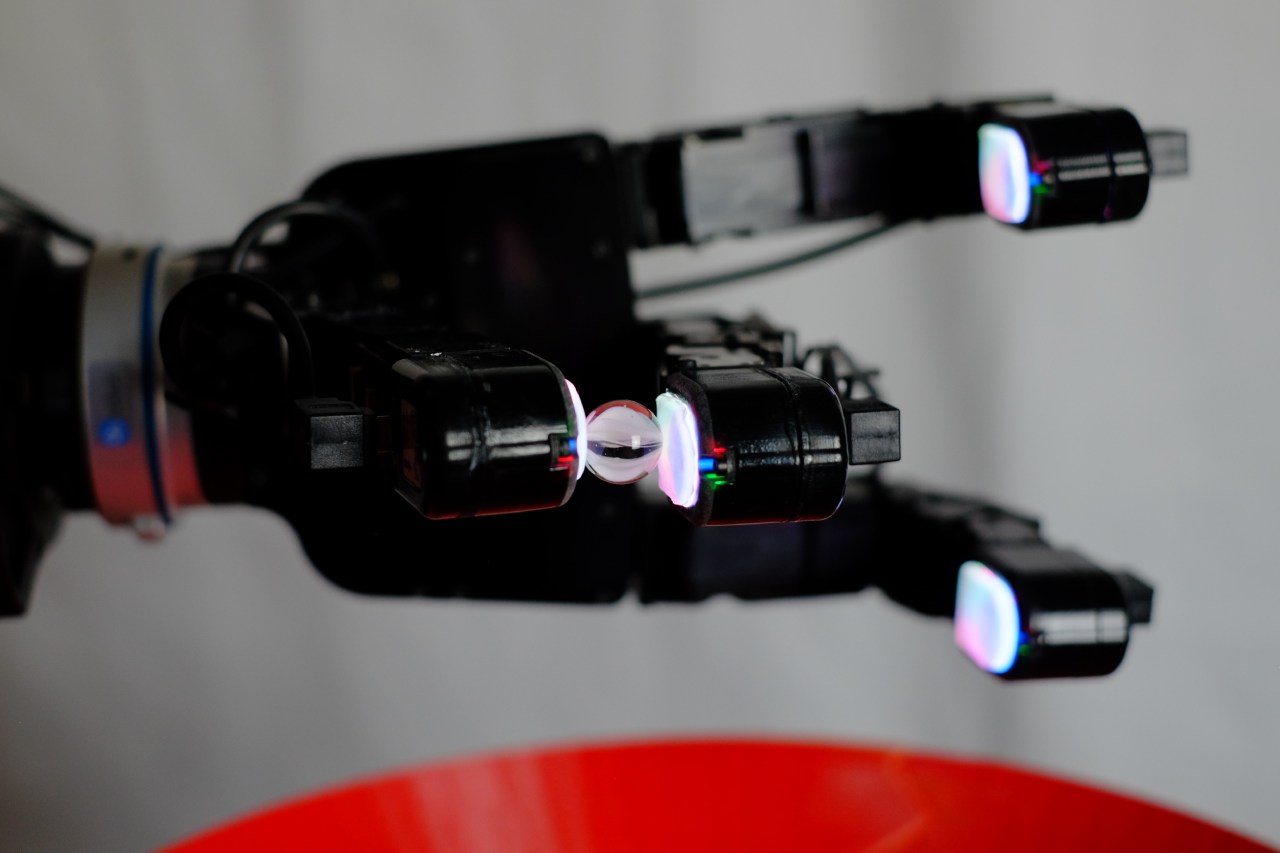
The pursuit of making robots that can feel—quite literally—has taken a groundbreaking turn. Facebook AI Research (FAIR) has embarked on a fascinating journey to enhance the tactile capabilities of robots by developing innovative electronic skin and fingertip technologies. These advances are vital not just for the robots themselves, but also for the future of human-robot interactions. As technology becomes more ingrained in everyday life, the necessity for machines that can perceive and react to their environment is paramount. In this blog, we’ll delve into the fresh insights offered by this research, exploring the innovative solutions for tactile perception in robotics.
The Need for Tactile Perception in Robotics
Why is it crucial for robots to develop a sense of touch? As Yann LeCun, the head of AI at Facebook, pointed out, if intelligent agents are to be successful in our increasingly tech-driven society, they must understand more than just visual input captured by cameras or audio from microphones. Tactile perception fills a significant gap by allowing robots to physically interact with and comprehend their surroundings.
- Enhancing Interaction: Touch sensitivity supports softer interactions with humans and objects, promoting safer and more intuitive engagements.
- Environmental Awareness: Robots equipped with tactile sensors can navigate their environments more effectively, distinguishing between fragile and sturdy materials.
- Adaptability: With a reliable sense of touch, robots could adapt their responses based on the sensitivity or texture of the items they encounter.
Innovative Solutions: DIGIT and ReSkin
Facebook’s research showcases two pivotal projects designed to advance tactile sensing in robots: DIGIT and ReSkin. Both employ different methodologies to deliver accurate touch perception.
DIGIT
DIGIT is an open-source design that utilizes a miniature camera to capture detailed images of objects upon contact. This system allows robots to map their interactions dynamically, creating an intricate understanding of the tactile world. With roots extending back to the MIT GelSight project, DIGIT represents an evolution in tactile technology that emphasizes accessibility and low-cost implementations for researchers.
ReSkin
Conversely, the ReSkin system relies on magnetic particles suspended within a flexible gel-like surface. By leveraging magnetometers positioned beneath this surface, ReSkin can accurately measure displacement, effectively translating it into real-time force maps. This design separates sensory technology from the tactile surface, allowing for cost-effective replacements and resilience against wear and tear. Additionally, it opens doors for various applications, like creating pressure-sensitive surfaces in robotic limbs or even playful designs such as smart pet shoes.
The Impact of Affordable Tactile Technology
One of the most promising aspects of Facebook’s initiative is its commitment to making these technologies not only effective but also accessible. By releasing the software framework and allowing researchers to acquire the devices at a reasonable cost, Facebook is democratizing tactile robotics. This empowerment of the research community may lead to breakthroughs that foster more gentle and efficient robotic assistance in future applications.
Conclusion
With the development of sophisticated tactile systems like DIGIT and ReSkin, the next generation of robots will be better equipped to interact meaningfully with the world around them. As the line between technology and everyday life continues to blur, ensuring that machines can touch, feel, and respond accurately will be essential for their integration into society.
At fxis.ai, we believe that such advancements are crucial for the future of AI, as they enable more comprehensive and effective solutions. Our team is continually exploring new methodologies to push the envelope in artificial intelligence, ensuring that our clients benefit from the latest technological innovations. For more insights, updates, or to collaborate on AI development projects, stay connected with fxis.ai.