
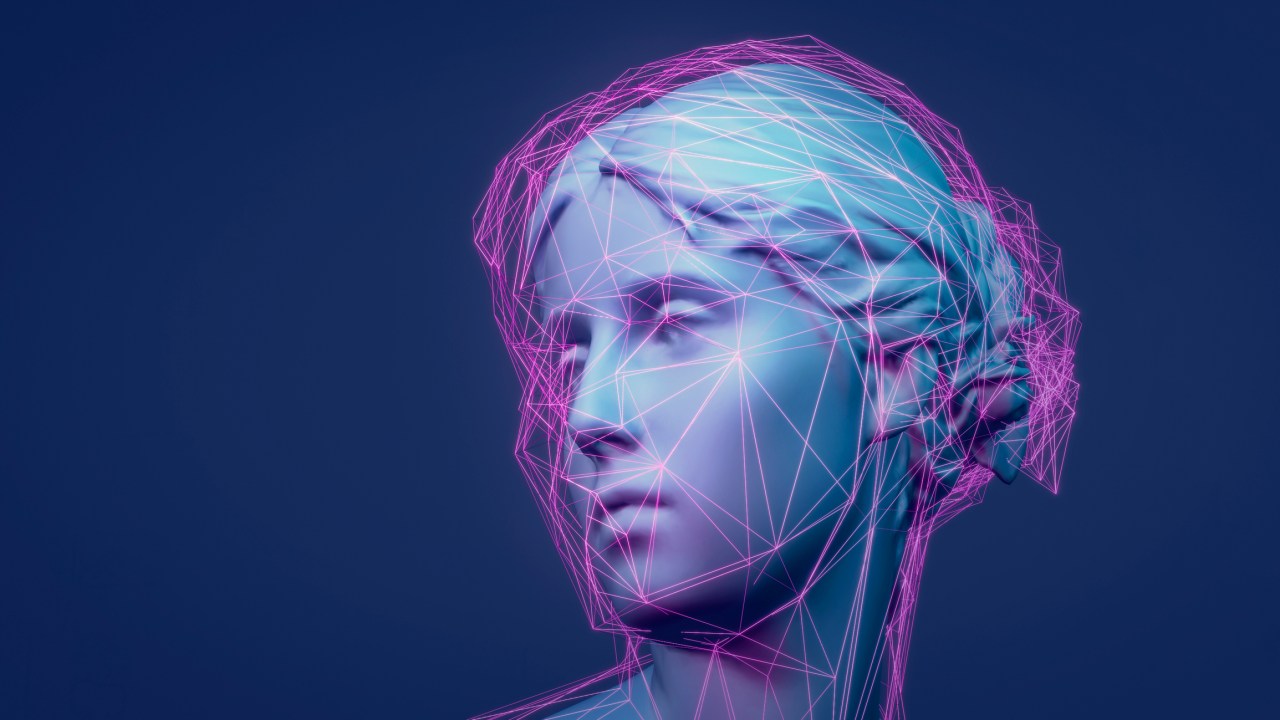
As we embark on the exciting journey of artificial intelligence, we find ourselves at a crossroads marked by groundbreaking innovation and enduring bias. A recent conversation with an emerging AI founder revealed a disheartening reality: it took three arduous hours to locate an AI-generated portrait of a Black woman. This instance serves as a vivid reminder that the journey towards equitable AI is fraught with challenges that require urgent attention. As AI technology continues to proliferate, we must examine who it serves and ensure that it is inclusive for everyone.
The Dark Side of AI Development
The benefits of AI are often shadowed by its potential to reinforce historical injustices. Instances of bias in AI have tangible consequencesranging from discriminatory hiring practices to perilous inconsistencies within self-driving technologies. Notably, studies have revealed that automated systems can misidentify individuals based on their race, leading to severe ramifications. Self-driving cars, for instance, have been recorded as having difficulty detecting darker skin tones, which could result in increased risks for Black pedestrians. The implications of these biases cannot be overstated, especially as they permeate the intricate fabric of our judicial and healthcare systems.
Understanding AI Bias: A Call for Accountability
Understanding AI bias is paramount as this technology integrates into our daily lives. Bias is not merely an inconvenience; it represents a perilous issue that could lead to catastrophic outcomes if left unchecked. As noted by Eghosa Omoigui of EchoVC Partners, the shortcomings of AI stem largely from the value and diversity of training data utilized in model development. A lack of inclusive perspectives hampers the ability of AI systems to cater appropriately to diverse populations.
Investment Patterns Matter
The conversation around AI bias is further complicated by a lack of funding directed toward underrepresented founders. Data shows that U.S.-based companies with a Black co-founder have historically received less than 1% of venture capital funding in comparison to their white counterparts. This disparity highlights a fundamental issue: if diverse teams are not involved in building AI from the ground up, we risk creating biased systems that fail to represent marginal communities. The situation is exacerbated by a groupthink mentality among investors who overlook the urgency of diversity in tech.
Building Bridges and Creating Solutions
While challenges abound, innovative companies are emerging to tackle the complexities of AI bias. Parfait, an AI-driven beauty company, aims to address the often-overlooked needs of the Black community in the hair management industry. Its co-founder, Isoken Igbinedion, emphasizes the importance of inclusive datasets to ensure that AI products are effective for everyone. Authentic engagement with marginalized communities can pave the way for more equitable solutions, allowing the technology to serve a broader audience.
Rethinking Governance in AI
AI remains largely unregulated, particularly in the U.S., creating an environment ripe for misuse. Conversely, the European Union has made strides towards addressing AI bias through legislative proposals, yet implementation remains contentious. As a society, we must collectively push for governance frameworks that not only recognize but actively mitigate bias in AI applications. Real transparency in AI systems is crucial, as highlighted by Nosa Omoigui, in advocating for ethical algorithms that incorporate human oversight.
Envisioning an Inclusive AI Future
In the race to innovate, it can feel as though the industry prioritizes speed over depth. Ekechi Nwokah of Migo highlights the excitement surrounding AI, where founders rush to deliver products, often overlooking the vital components of team diversity and bias analysis. This lack of collective responsibility can lead to AI models perpetuating stereotypical inputs, thus hindering progress. However, the commitment to improving these systems can yield advancements that not only foster innovation but also equity.
A Journey Towards Inclusivity
Ultimately, the onus is on all stakeholders involved in AI development to strive for better. By prioritizing diversity and inclusivity, we can build an ecosystem that leverages varied experiences, enabling us to create AI systems grounded in fairness and practicality. As we navigate these waters, we must address who is being served by AI and make strides toward a future where all voices are resonant within these technologies.
At **[fxis.ai](https://fxis.ai/edu)**, we believe that such advancements are crucial for the future of AI, as they enable more comprehensive and effective solutions. Our team is continually exploring new methodologies to push the envelope in artificial intelligence, ensuring that our clients benefit from the latest technological innovations.
For more insights, updates, or to collaborate on AI development projects, stay connected with **[fxis.ai](https://fxis.ai/edu)**.
Conclusion: The Path Forward
The future of AI is bright, but it is essential to acknowledge the flaws and biases that may dim this potential. By prioritizing how AI is built and who builds it, we can begin to unlock the transformative possibilities of this technology for everyone. If we reimagine the role of AI builders, we can pave the way for innovative solutions that resonate with diverse communities, ultimately leading to a more equitable and viable future.