
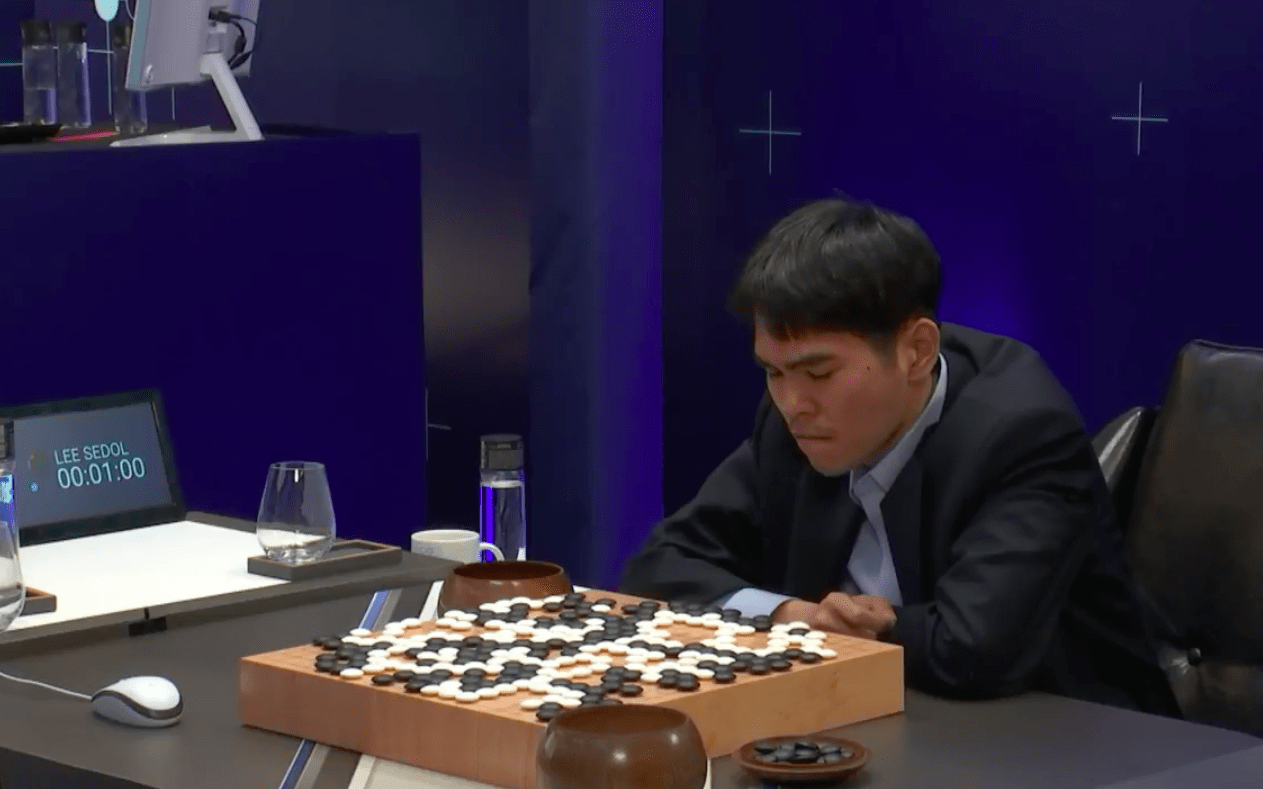
In March 2016, a momentous event unfolded that forever altered the perception of artificial intelligence within the realm of board games and beyond. Google DeepMind’s AI, AlphaGo, faced off against the reigning world champion of Go, Lee Sedol, leading to a groundbreaking victory of 4-1 in a highly publicized five-game series. This competition not only showcased the prowess of AI but also sparked a global conversation about the potential of machine learning and the future of human-AI collaboration.
The Complexity of Go
The game of Go, with its ancient origins and intricate strategies, presents a level of complexity that has been revered for centuries. Comprised of a simple board and black-and-white stones, Go encapsulates layers of tactical depth; thus, mastering the game requires exceptional foresight, intuitive strategy, and profound reasoning. For AI researchers, this made Go an ideal testing ground. It isn’t merely about executing pre-programmed commands but rather entails an understanding of broader patterns and the unpredictable nature of human play.
AlphaGo: More Than Just a Machine
One key differentiator in AlphaGo’s design is its ability to learn independently. Unlike its predecessors, such as IBM’s Deep Blue, which was programmed exclusively with fixed strategies, AlphaGo used neural networks and deep learning techniques to teach itself the game. This self-improvement allowed it to analyze millions of possible moves and outcomes, resembling a human-like capability for improvement through experience. When it stumbled against Lee Sedol in one of the matches, it exhibited an extraordinary level of resilience—a feature that highlights its adaptability to human unpredictability.
The Aftermath: What This Means for AI Development
The influence of AlphaGo’s victory extends beyond the confines of the Go board. As technology journalists and researchers began ruminating over this landmark achievement, various implications for AI began to surface:
- Human Collaboration: The match suggested new ways in which humans and AI could work together, blending the intuition of human strategists with the computational abilities of advanced machines.
- Understanding Complexity: The ability to rival one of the best human players in such a complex game underscores the potential for AI to tackle intricate problems in fields like healthcare, finance, and logistics.
- Future Developments: AlphaGo’s performance opened doors for further advancements in AI research, illuminating the necessity of continual progression beyond mere victories.
A Broader Perspective
Eric Schmidt, then-chairman of Alphabet, succinctly stated, “The winner here, no matter what happens, is humanity.” This quote encapsulates the essence of the AlphaGo series—not merely the advancement of AI but the mutual enrichment of human potential through collaboration with intelligent systems. As machines grow more self-sufficient and capable, the blend of human creativity and AI’s analytical prowess promises an exciting future.
Conclusion: Embracing the AI Revolution
The historic 4-1 series win of AlphaGo against Lee Sedol isn’t just a story of an AI conquest; it is a compelling narrative of technological evolution. In acknowledging the complexity of games like Go, we are encouraged to think critically about how AI can be used to complement human ingenuity rather than replace it. Each victory and defeat offers learning opportunities for both AI and humanity, leading us towards a future where we innovate together.
At **[fxis.ai](https://fxis.ai/edu)**, we believe that such advancements are crucial for the future of AI, as they enable more comprehensive and effective solutions. Our team is continually exploring new methodologies to push the envelope in artificial intelligence, ensuring that our clients benefit from the latest technological innovations.
For more insights, updates, or to collaborate on AI development projects, stay connected with **[fxis.ai](https://fxis.ai/edu)**.