
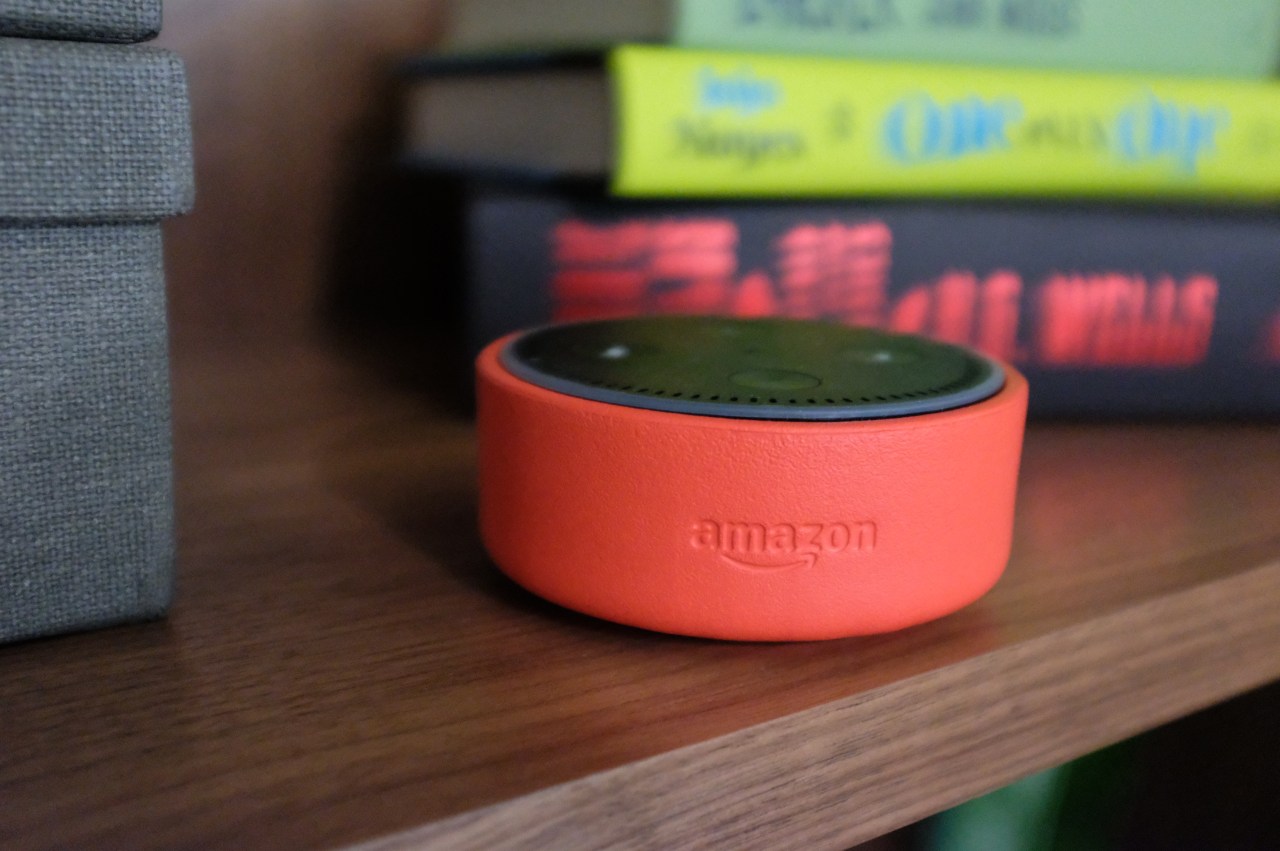
Imagine asking your trusty Amazon Echo device an obscure question and having it deliver a confident, well-informed response. Sounds like a dream, right? In recent years, Alexa has become increasingly adept at answering a wide range of inquiries, but there have always been limits, especially when it comes to unconventional or obscure queries. Enter Amazon’s bold new strategy: crowdsourcing answers to tough questions through an innovative program called Alexa Answers.
The Power of Collective Wisdom
For those who love to test the boundaries of AI, “stumping Alexa” has become something of a rite of passage. However, irrespective of Alexa’s capabilities, questions about topics like “What’s cork made out of?” or “Where do bats go in the winter?” can still leave it scratching its virtual head. To address this, Amazon is tapping into the collective knowledge of users, effectively transforming their Echo products into a knowledge-sharing platform.
How Alexa Answers Works
- Community Involvement: The program invites a select group of customers to participate in answering diverse questions posed to Alexa. These participants can submit their answers via a user-friendly online interface.
- Expansive Database: After an internal testing phase that reportedly included over 100,000 added responses, Alexa Answers opens its doors to an audience that can further diversify its knowledge base.
- User-Generated Content: Whenever someone answers a question, Alexa will cite that it was sourced from an Amazon customer. This not only adds credibility to the answer but also encourages more users to participate.
Risks and Rewards
While the concept of crowdsourcing poses exciting opportunities for Alexa’s growth, it also raises some intriguing questions. How does Amazon ensure that the information provided is accurate? With contributors from all walks of life, there is the potential for misinformation or biased answers to filter through. However, this is somewhat mitigated by the communal aspect; as users can upvote or downvote answers, filtering out poor content over time.
Examples of Crowdsourced Queries
Some of the queries shared by Amazon may come across as surprisingly trivial or downright quirky. For instance, questions like “Who wrote the score for Lord of the Rings?” may not be trivia night staples, but they certainly add a layer of complexity to how we view machine learning and natural language processing. Imagine the varied responses to an inquiry like “Where was Barbara Bush buried?”—these answer submissions could be a test of not just knowledge but also perspective!
Impact on AI Development
This crowdsourced approach also signifies a significant shift in how we access knowledge in the digital age. With platforms like Wikipedia already showcasing the benefits of user contributions, Amazon seems poised to cultivate a more comprehensive and refined AI assistant in Alexa. By allowing users to take part in shaping the knowledge base of their AI, Amazon is setting a precedent for future developments in the field.
Conclusion: A New Era for Alexa
As Amazon ventures into the realm of crowdsourcing knowledge for Alexa, it marks an exciting evolution in artificial intelligence. By entwining the expertise of users with the technological prowess of AI, Alexa is well on its way to providing more accurate and diverse responses to a myriad of questions. This initiative not only enhances the user experience but also opens up a comprehensive platform for community engagement.
At fxis.ai, we believe that such advancements are crucial for the future of AI, as they enable more comprehensive and effective solutions. Our team is continually exploring new methodologies to push the envelope in artificial intelligence, ensuring that our clients benefit from the latest technological innovations.
For more insights, updates, or to collaborate on AI development projects, stay connected with fxis.ai.