
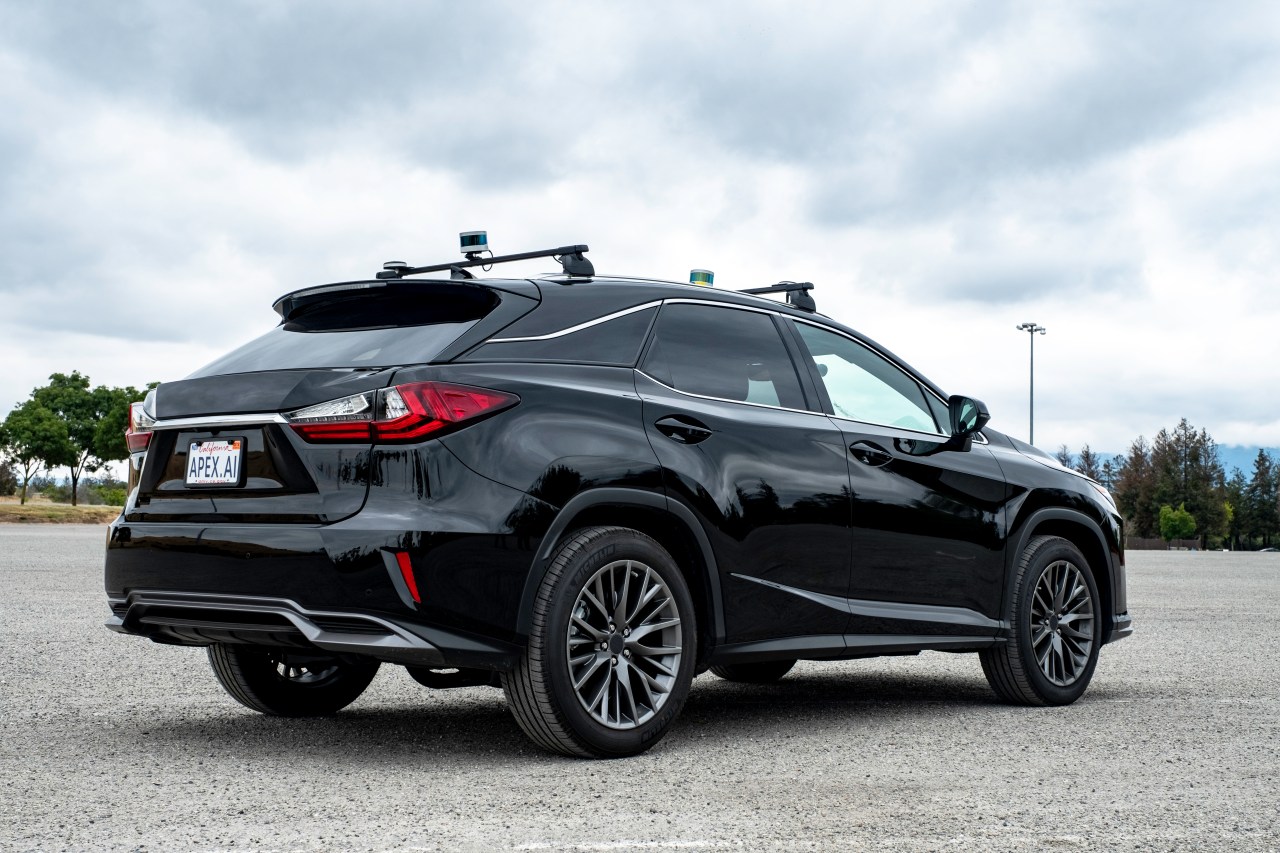
The revolution of transportation is nigh, and at the forefront of this seismic shift is Apex.AI, a company that has recently emerged from the shadows to unveil their ambitious vision: an operating system designed for autonomous vehicles that promises unwavering reliability. With a staggering $15.5 million Series A funding round led by Canaan and support from Lightspeed Venture Partners, Apex.AI is set to challenge the norms of vehicle safety and functionality in a rapidly evolving digital world.
From Stealth to Stalwart: Apex.AI’s Backstory
Founded by seasoned automaton engineers Jan Becker and Dejan Pangercic, Apex.AI was birthed from the need for high-caliber, safety-oriented systems in the autonomous transport field. Unlike many companies that possess prowess in consumer applications but lack in safety-critical scenarios, Apex.AI bridges this gap by creating foundations for developers—regardless of their experience with safety protocols—to build robust systems that can operate without the fear of failure.
The Technology Behind the Promise
Apex.AI’s software system serves as the enterprise counterpart to the Robot Operating System (ROS), a well-known open-source middleware framework for robotics. This innovative structure enables seamless integration into existing systems across a variety of mobility platforms, whether they’re automobiles, drones, or even futuristic flying taxis. This application-agnostic feature allows Apex.AI to hold a substantial competitive edge in the field, competing directly with leading players like Renovo with its AWare OS tailored for Level 4 autonomous driving.
Unpacking the Fail-Safe Mechanism
What truly sets Apex.AI apart is its steadfast commitment to eliminating system-wide failures through well-thought-out redundancies. Becker articulates this sentiment with depth, explaining that they rigorously review every line of code to guarantee that safety-critical processes receive the necessary computational power to operate effectively. This meticulous attention to detail ensures the autonomous systems can withstand failures that would typically incapacitate ordinary software.
Endorsed by Industry Giants
This commitment to ensuring autonomous vehicle reliability has not gone unnoticed. Rayfe Gaspar-Asaoka, a partner at Canaan, emphasized that the essence of Apex.AI’s mission revolves around addressing a tangible issue within the industry. As they evolve from research and development to mass production, the burning question remains: how do we create vehicles that are not just self-driving but also dependably safe for the general populace?
The Road Ahead: Industry Implications
The success of Apex.AI’s ambitious operating system could spearhead a new era of safe autonomous travel, paving the way for comprehensive adoption of self-driving vehicles. The implications of this development could extend far beyond mere convenience; they could reshape urban planning, reduce traffic accidents, and drastically decrease carbon emissions by optimizing transportation routes.
Conclusion: Joining the Autonomous Revolution
In a world where the expectation for innovation is coupled with the demand for safety, Apex.AI is stepping up to the plate with its revolutionary technology aimed at transforming how we view transportation. By merging reliability with cutting-edge technology, they are not just addressing the challenges of autonomous systems; they are redefining them for generations to come. At fxis.ai, we believe that such advancements are crucial for the future of AI, as they enable more comprehensive and effective solutions. Our team is continually exploring new methodologies to push the envelope in artificial intelligence, ensuring that our clients benefit from the latest technological innovations.
For more insights, updates, or to collaborate on AI development projects, stay connected with fxis.ai.