
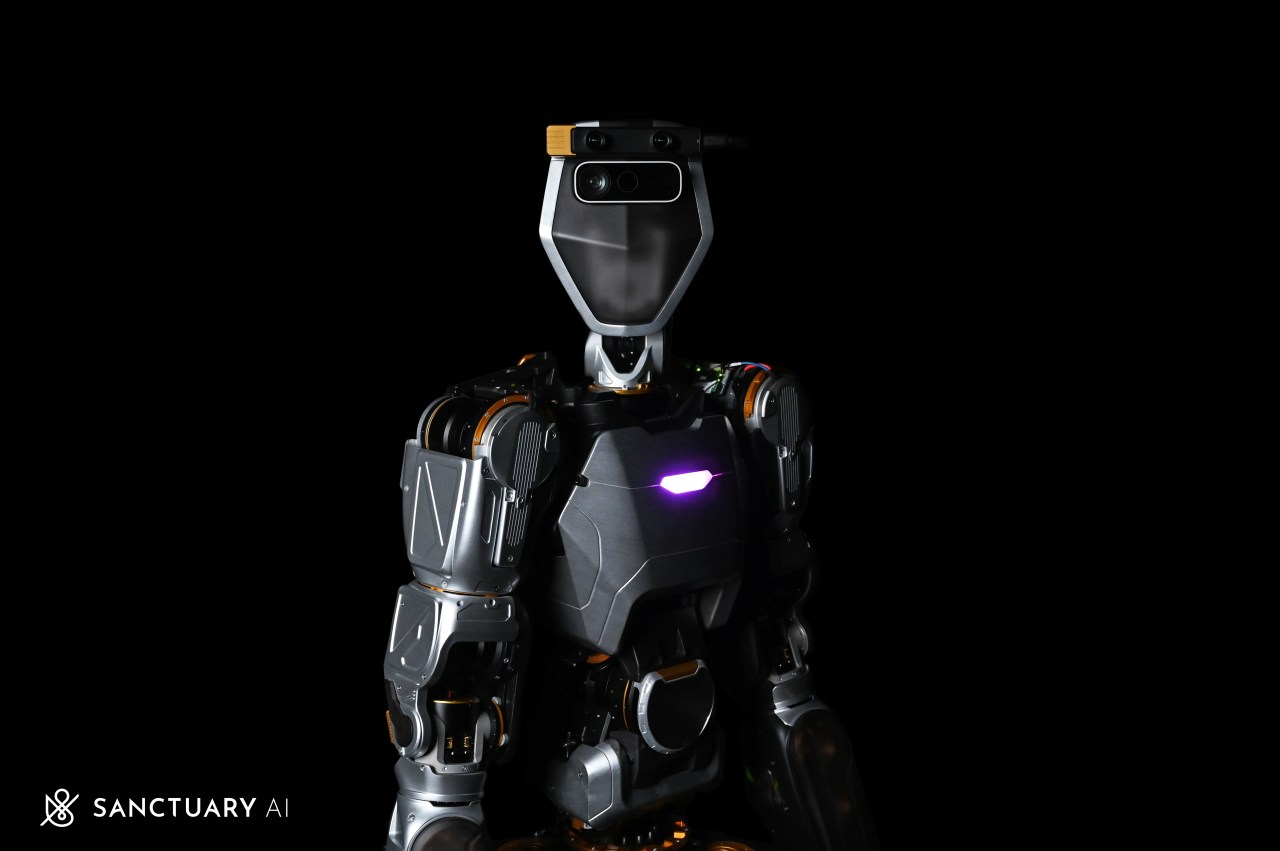
The dawn of humanoid robots in industrial applications is no longer a whimsical dream, as European car manufacturers are stepping up to test cutting-edge technologies. In a groundbreaking collaboration, Sanctuary AI is set to roll out its humanoid robot, aptly named Phoenix, at Magna’s manufacturing facility. This partnership opens a new chapter in how we view human-robot interaction in the automotive industry and the potential for robots to reshape manufacturing workflows.
The Humanoid Robot Landscape
Sanctuary AI isn’t alone in this venture; the humanoid robotics space has seen increased activity, with companies like Figure and Apptronik also piloting their systems with prestigious auto manufacturers like BMW and Mercedes. This trend highlights a growing consensus that humanoid robots can perform tasks that were once thought to depend on human labor. Let’s explore what makes Sanctuary AI’s Phoenix stand out and how its deployment could impact Magna’s operations.
What is Phoenix?
- Specifications: Standing at 5’7″ and weighing 155 pounds, Phoenix is designed to tackle various manufacturing tasks. Its dexterous hands are a significant addition, making it capable of more precise operations than earlier models.
- Mobility: Unlike previous robotic structures that lacked a sense of mobility, Phoenix is the first humanoid from Sanctuary AI that can walk on two legs, promising a near-human efficiency in navigating complex environments.
- Intelligence: Phoenix incorporates advanced AI systems to communicate, adapt, and execute tasks, seamlessly integrating into the work environment.
The Role of Magna in Advancing Robotics
Magna, a Canadian automotive supplier, has a history of investing in innovative technologies, including its stake in Sanctuary AI back in 2021. This collaboration is not merely about deploying robots; it serves as a critical assessment to improve cost efficiency and scalability within Magna’s manufacturing processes. The company’s commitment to this mission suggests a forward-thinking approach that may well influence others in the industry.
ROI: The Holy Grail of Industrial Robotics
As with any pilot program, the partnership between Sanctuary AI and Magna underscores one essential factor: return on investment (ROI). These initial deployments often act as test trials rather than a full-scale implementation. The success of Phoenix at Magna could pave the way for broader adoption of humanoid robots in factories worldwide. If the pilot proves beneficial, other automotive giants might be inspired to follow suit, further thrusting humanoid robots into the manufacturing limelight.
What Lies Ahead?
The deployment of Phoenix is still in the initial pilot phase, and the specifics regarding the pilot’s length, the number of robots being utilized, or the exact facility have not been publicly disclosed. However, the implications of such partnerships are significant. If Phoenix can deliver the promised efficiencies, we could witness a paradigm shift in how automotive manufacturing operates—with robots playing an increasingly pivotal role in production lines.
Other Comparisons in the Market
This move aligns with other noteworthy partnerships in the industry. Agility Robotics, for instance, previously focused on deploying robots like Digit for last-mile deliveries. However, they’ve shifted their focus to warehouse applications, suggesting that market adaptation is crucial as needs evolve. The common thread is clear: auto manufacturers are keenly interested in exploring the utility of humanoid robots to alleviate labor shortages and improve operational efficiencies.
Conclusion: A New Era in Automotive Manufacturing
The introduction of Sanctuary AI’s Phoenix marks a fascinating milestone in automotive technology. By collaborating with Magna, the company demonstrates the immense potential humanoid robots hold for transforming manufacturing workflows. As this pilot program unfolds, many will keep a close eye on the outcomes in hopes of validating the effectiveness of robots like Phoenix in practical, high-stakes environments.
At fxis.ai, we believe that such advancements are crucial for the future of AI, as they enable more comprehensive and effective solutions. Our team is continually exploring new methodologies to push the envelope in artificial intelligence, ensuring that our clients benefit from the latest technological innovations.
For more insights, updates, or to collaborate on AI development projects, stay connected with fxis.ai.