
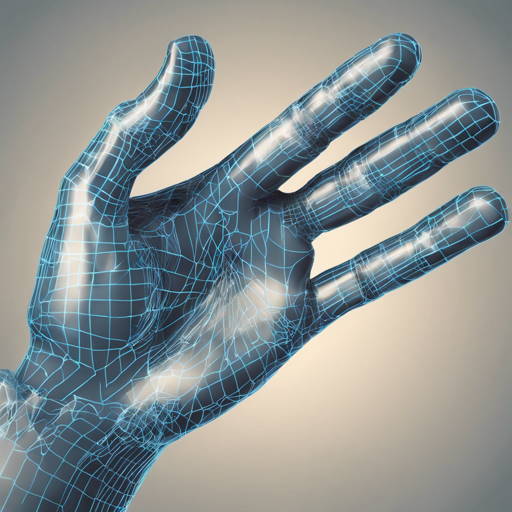
Welcome to our deep dive into hand pose estimation, an exciting field at the intersection of computer vision and machine learning. In this guide, we’ll explore various resources, cutting-edge research papers, evaluation methods, datasets, workshops, and much more. Whether you’re a researcher, engineer, or just a curious enthusiast, our aim is to equip you with the knowledge to navigate this fascinating domain.
Table of Contents
- Evaluation
- arXiv Papers
- Journal Papers
- Conference Papers
- Theses
- Datasets
- Workshops
- Challenges
- Other Related Papers
Evaluation
To achieve effective hand pose estimation, one must understand performance evaluation methods. A detailed evaluation framework can typically be found in the dedicated evaluation folder. It includes metrics that gauge the accuracy and robustness of hand pose models.
arXiv Papers
Here’s a curated list of notable research papers available on arXiv
- Pushing the Envelope for Depth-Based Semi-Supervised 3D Hand Pose Estimation with Consistency Training
- Ego2HandsPose: A Dataset for Egocentric Two-hand 3D Global Pose Estimation
- TriHorn-Net: A Model for Accurate Depth-Based 3D Hand Pose Estimation
- NIMBLE: A Non-rigid Hand Model with Bones and Muscles
- Consistent 3D Hand Reconstruction in Video via self-supervised Learning
Journal Papers
TPAMI & IJCV
Highlighted TPAMI papers:
- EvHandPose: Event-Based 3D Hand Pose Estimation With Sparse Supervision
- Learning a Contact Potential Field for Modeling the Hand-Object Interaction
Other Journals
Papers from various other esteemed journals include:
Conference Papers
Stay tuned for the latest findings and breakthroughs presented at conferences such as CVPR, ECCV, and ICCV. For instance, the 2024 CVPR includes:
- URHand: Universal Relightable Hands
- MOHO: Learning Single-view Hand-held Object Reconstruction with Multi-view Occlusion-Aware Supervision
Theses
Explore cutting-edge research through several foundational theses that address various aspects of hand pose estimation:
- Learning without Labeling for 3D Hand Pose Estimation by Georg Poier
Datasets
Datasets are essential for training and testing hand pose estimation models. Here are some commonly used datasets:
Workshops
Engage in workshops that focus on advancing hand pose estimation techniques, such as:
- HANDS 2019 in conjunction with ICCV 2019
- HANDS 2018 in conjunction with ECCV 2018
Challenges
Participate in challenges to enhance skills and drive research in hand pose estimation. Examples include:
Other Related Papers
Continue learning through various additional papers that contribute to the hand pose estimation field:
Troubleshooting
If you encounter issues while navigating through these resources or implementing hand pose estimation techniques, consider the following troubleshooting tips:
- Ensure that you have the correct dependencies installed for the libraries mentioned in the papers.
- Double-check the code examples provided in the associated GitHub repositories.
- Engage with the community on forums such as GitHub issues, Stack Overflow, or relevant Discord channels.
For more insights, updates, or to collaborate on AI development projects, stay connected with fxis.ai.
Conclusion
At fxis.ai, we believe that such advancements are crucial for the future of AI, as they enable more comprehensive and effective solutions. Our team is continually exploring new methodologies to push the envelope in artificial intelligence, ensuring that our clients benefit from the latest technological innovations.