
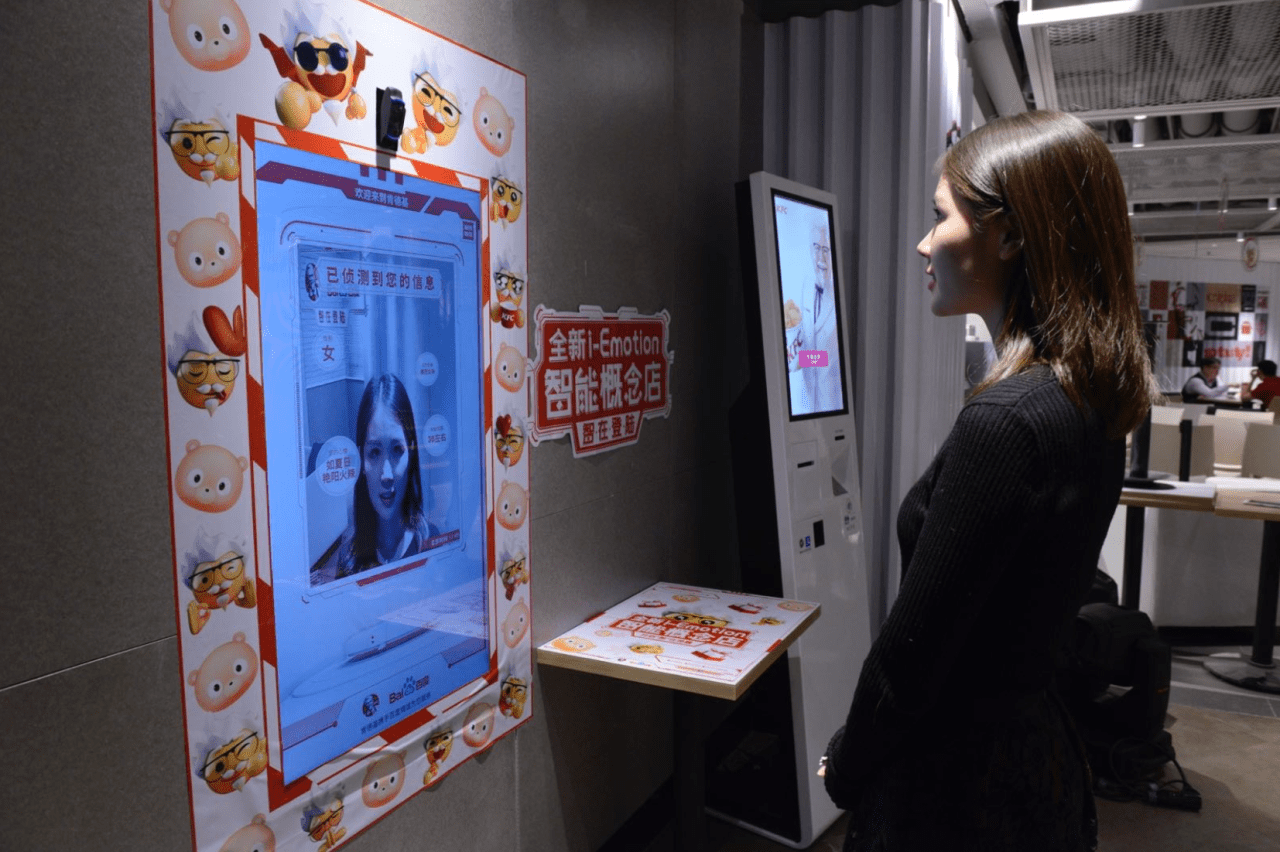
In an age where technology is seamlessly embedded in our daily lives, the intersection of artificial intelligence and dining experiences is coming to the forefront. A perfect example of this innovation is Baidu’s collaboration with KFC China, which has unveiled a “smart restaurant” in Beijing. This initiative not only promises to transform how we order but also raises intriguing questions about privacy and customer preferences. Let’s explore what this new tech-driven dining landscape looks like.
The Concept of Smart Dining
The smart restaurant concept presents a unique amalgamation of AI and customer service. At the Beijing KFC location, an advanced facial recognition system analyzes customers upon entry, offering tailored meal suggestions based on their apparent age, gender, and even emotional expression. Imagine walking into a restaurant, and before you utter a word, an intelligent system has already curated a list of recommended dishes just for you!
Understanding Customer Preferences
Baidu’s technology strives to create an enhanced customer experience by suggesting meals like “a set meal of crispy chicken hamburger, roasted chicken wings, and coke” for a young male customer or steering a middle-aged female diner towards “porridge and soybean milk.” By tapping into complex algorithms and analyzing facial features, the system aims to present a customized dining experience that caters to individual tastes.
Facial Recognition Technology Unpacked
- Analysis: The system evaluates facial features to infer age and gender with high accuracy.
- Emotion Detection: It gauges customer moods by recognizing expressions, potentially leading to better customer satisfaction.
- History Tracking: Return customers may find their past orders readily available, enhancing personalization.
Augmented Reality: A Novel Twist
In addition to the facial recognition system, the restaurant incorporates augmented reality games activated by table stickers, transforming the dining table into a source of interactive entertainment. While this feature is not exclusive to the smart restaurant—it’s present at over 300 other KFC locations in Beijing—it adds an exciting layer to the dining experience, especially for younger patrons and families.
The Dual-Edged Sword of Privacy Concerns
Despite the compelling advancements, the implementation of such technology raises pressing concerns. As exciting as it is to have suggested orders waiting for you, the notion of facial recognition could be viewed as intrusive by some diners. The idea that a fast food chain retains biometric data tied to individual preferences highlights the delicate balance between enhanced service and customer privacy.
Looking Ahead: Could This Be the Future of Dining?
While the collaboration between Baidu and KFC is currently confined to a single location in Beijing, it prompts us to ponder broader implications. Might we see this technology proliferate across various restaurants internationally? As fast food joints grapple with the challenge of efficiently serving customers while providing personalized experiences, revolutionary ideas such as this could redefine the fast food landscape.
Conclusion
Baidu’s partnership with KFC signals an exciting evolution in how we think about dining and artificial intelligence. By utilizing facial recognition to streamline order suggestions and enhance customer interaction through augmented reality, this initiative stands at the cusp of a new era. While embracing such advancements, it’s essential to remain vigilant about privacy concerns and the ethical implications of using such technology in public spaces.
At fxis.ai, we believe that such advancements are crucial for the future of AI, as they enable more comprehensive and effective solutions. Our team is continually exploring new methodologies to push the envelope in artificial intelligence, ensuring that our clients benefit from the latest technological innovations. For more insights, updates, or to collaborate on AI development projects, stay connected with fxis.ai.