
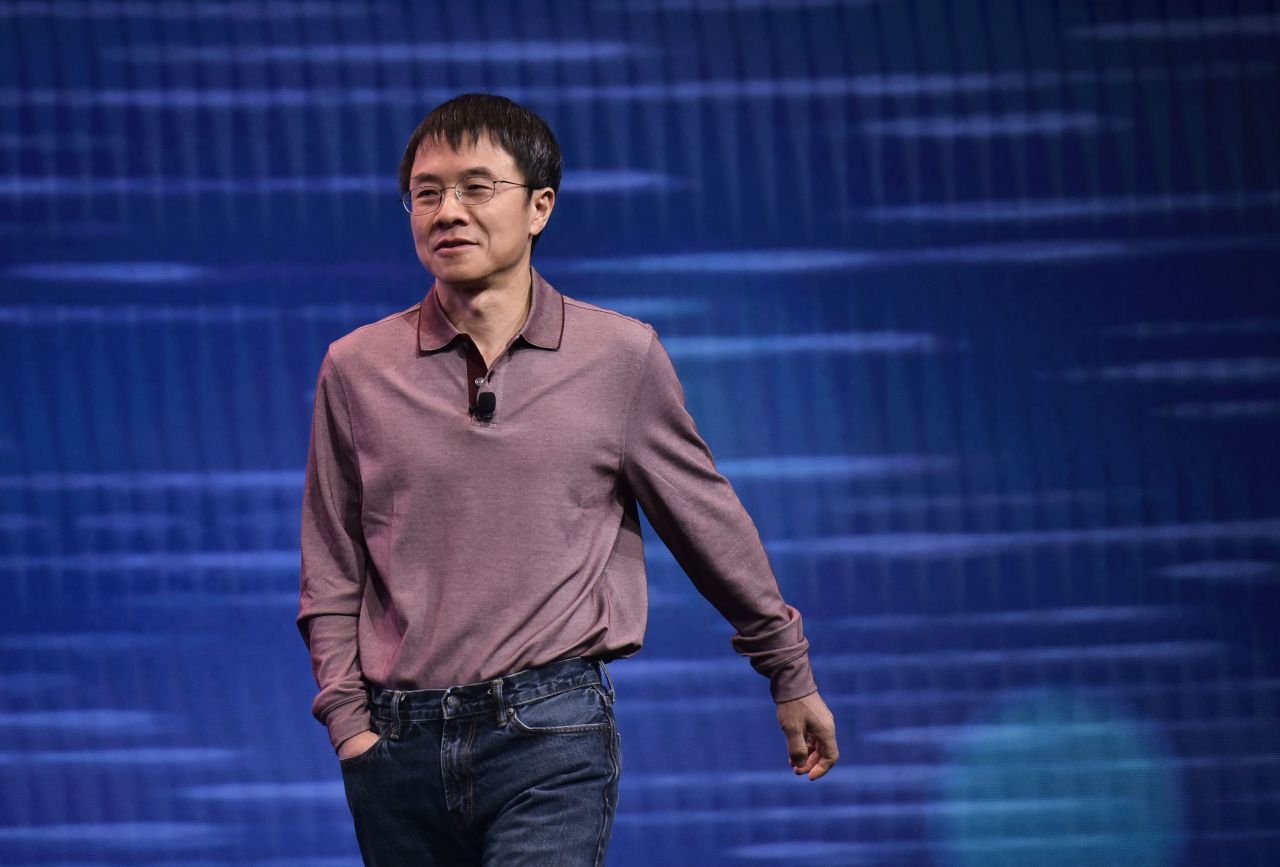
Baidu, a leading player in the Chinese technology landscape, recently witnessed a significant change in its leadership that left the tech community speculating about the company’s future. Qi Lu, the influential president and COO, is stepping down after a brief tenure. While Qi Lu’s departure is officially attributed to personal reasons, the implications of this transition could resonate far beyond his individual circumstances. As Baidu attempts to reinvent itself from a mere search engine into a comprehensive AI powerhouse, the stakes have never been higher.
The Road Ahead: Challenges and Opportunities
Qi Lu’s exit comes at a time when Baidu is fiercely navigating the competitive waters of AI and autonomous technologies. Before his arrival, Baidu had already set ambitious targets, including leaps into self-driving vehicles and AI-assisted services. But with his departure, the question arises: who will take up the mantle and steer these initiatives forward?
Understanding the Impacts of Leadership Changes
- Maintaining Momentum: Qi Lu’s leadership was pivotal. His industry expertise, especially from previous roles at Microsoft, positioned him as a guiding force within Baidu as they ventured into the world of AI. The challenge will be for the next leader to sustain this momentum while innovating in a rapidly evolving tech space.
- Talent Retention: Lu’s resignation is part of a concerning trend for Baidu, which has already seen key personnel in critical areas like autonomous driving and AI exploration leaving their positions. Keeping top talent engaged and motivated will be crucial for the company to meet its long-term goals.
- Public Perception: Leadership shakeups can create uncertainty among stakeholders. How Baidu communicates this transition to investors, employees, and the public will be essential in maintaining confidence in its strategic vision.
Lu’s Vision and Baidu’s Future
While Qi Lu is transitioning to a less demanding role to focus on family and new ventures in research and investment, he leaves behind a legacy of optimism for Baidu’s direction. His statement emphasized a belief in the potential of the company, indicating that the driving force of innovation should continue forward. Baidu remains equipped with strong technological capabilities and a wealth of talent, factors that could determine how effectively the company adapts to challenges ahead.
What Lies Ahead for Baidu?
As Baidu searches for Lu’s replacement, the question looms large: how will this affect its commitment to AI technologies? The transition in leadership may signal a shift in strategy, especially if drawn from different sectors of the technology market. Will the next executive maintain the trajectory Lu set, or will there be a pivot toward new industries?
With Baidu at a pivotal crossroad, this moment presents both challenges and possibilities. The outcomes will determine whether Baidu can solidify its role as a leading innovator in AI, self-driving technologies, and beyond.
In Conclusion
While Qi Lu’s departure as president and COO is undoubtedly significant, it also serves as a call to action for Baidu to recalibrate its focus and aspirations. The company’s deep technologies and strong internal talent remain potent assets, but one critical question remains: Can Baidu harness these elements effectively amid the prevailing turbulence? As the company embarks on this new chapter, vigilance and strategic vision will be essential.
At fxis.ai, we believe that such advancements are crucial for the future of AI, as they enable more comprehensive and effective solutions. Our team is continually exploring new methodologies to push the envelope in artificial intelligence, ensuring that our clients benefit from the latest technological innovations.
For more insights, updates, or to collaborate on AI development projects, stay connected with fxis.ai.