
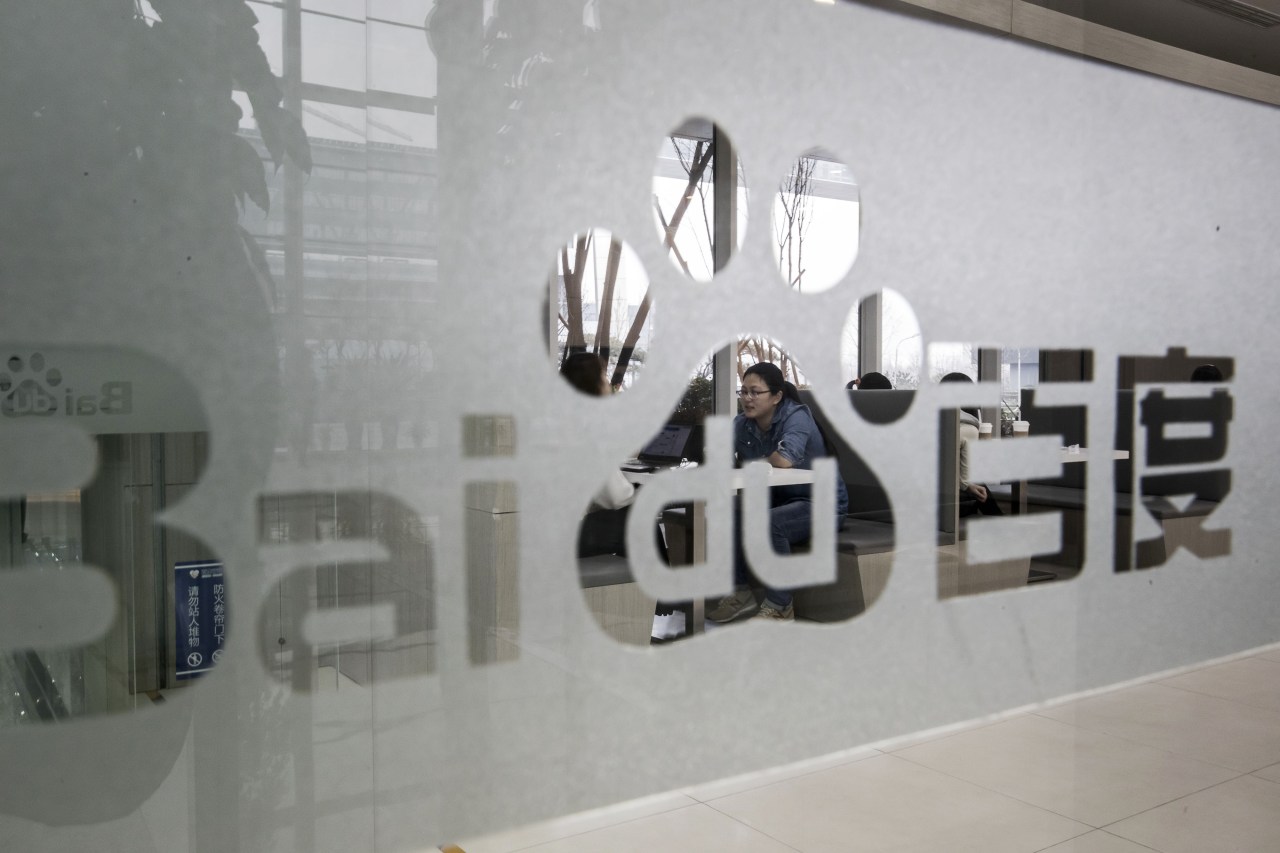
As the leading search engine in China, Baidu has continually drawn parallels to Google, yet it faces a unique set of challenges in the rapidly evolving digital landscape. Recently, Baidu experienced its first quarterly loss since going public in 2005, reflecting the complexities of balancing traditional revenue streams with future-forward investments in artificial intelligence and other cutting-edge technologies. Let’s unpack the circumstances behind this significant financial shift and explore Baidu’s strategies moving forward.
A Snapshot of Baidu’s Financial Challenges
On May 20, 2019, Baidu unveiled troubling first-quarter financial results, posting a net loss attributable to shareholders of $49 million. This stark contrast to the previous year’s net income of nearly 6.69 billion yuan ($970 million) highlights a significant turning point for the company. The surge in content costs, which climbed by 47% to $917 million, primarily stemmed from ongoing investments in Baidu’s video streaming platform, iQiyi. Meanwhile, Research and Development expenditures reached $621 million, demonstrating a 26% year-over-year increase. This substantial financial strain has compelled Baidu’s CEO, Robin Li, to admit the “grim situation” the company finds itself in.
Market Dynamics and the Shift in User Engagement
With approximately 67% market share, Baidu remains a dominant player in China’s search engine market. However, the company is grappling with a shift in user behavior, as consumers increasingly prefer personalized content discovery through recommendation-based applications. This trend signals a departure from the traditional search model, necessitating an adaptation strategy for Baidu.
Adapting to Consumer Preferences
- In 2016, Baidu introduced a personalized news feed within its search app, allowing users to passively receive content based on their preferences.
- Competitors such as Tencent and Alibaba are also restructuring their services to offer personalized content suggestions, reflecting the growing importance of personalized user experiences.
- {@code advertisers have taken note of this shift, with the feed-based ads market skyrocketing from 5.2 billion yuan ($750 million) in 2014 to an estimated 166.2 billion yuan in 2019, indicating a clear shift toward personalized marketing initiatives.
Baidu’s Dual Strategy: Mobile and Search Integration
Recognizing the need to innovate, Baidu adopted a two-pronged approach that repositions its services in the mobile-first era. The company’s search business has been rebranded as “mobile business,” indicating the equal importance of both search and content feeds in its revenue strategy. This paradigm shift underscores Baidu’s attempt to stay relevant amidst fierce competition.
The appointment of Shen Dou, who is experienced with mobile-first products, to lead the newly configured mobile business reflects Baidu’s commitment to prioritizing user engagement across platforms. The move also sheds light on Baidu’s continuous evolution toward becoming a comprehensive digital ecosystem.
The Future: AI at the Forefront
Baidu’s aspiration to lead the AI revolution in China remains a focal point of its long-term vision. Although it faced setbacks, such as the departure of notable scientist Lu Qi, the company has not shied away from investing heavily in AI. Baidu continues to innovate, breaking ground in autonomous driving, voice recognition technology, and more. The company recorded the highest number of autonomous miles driven in Beijing in 2018 alone and has successfully integrated its AI capabilities into 200 million devices via its smart voice assistant.
Conclusion: The Road Ahead for Baidu
Baidu’s first quarterly loss signifies the turbulent intersection of traditional business models and innovative technological investments in today’s fast-paced digital economy. As Baidu embraces a dual strategy of personal engagement through a feed-based approach while heavy investments in AI pave the way for future breakthroughs, the company positions itself for potential revival.
As we watch Baidu’s journey unfold, it will be crucial for the company to balance innovation with user needs to sustain its status as a digital titan in China. The next chapter will truly depend on its ability to adapt and thrive in an ever-changing landscape.
For more insights, updates, or to collaborate on AI development projects, stay connected with **[fxis.ai](https://fxis.ai/edu)**.
At **[fxis.ai](https://fxis.ai/edu)**, we believe that such advancements are crucial for the future of AI, as they enable more comprehensive and effective solutions. Our team is continually exploring new methodologies to push the envelope in artificial intelligence, ensuring that our clients benefit from the latest technological innovations.