
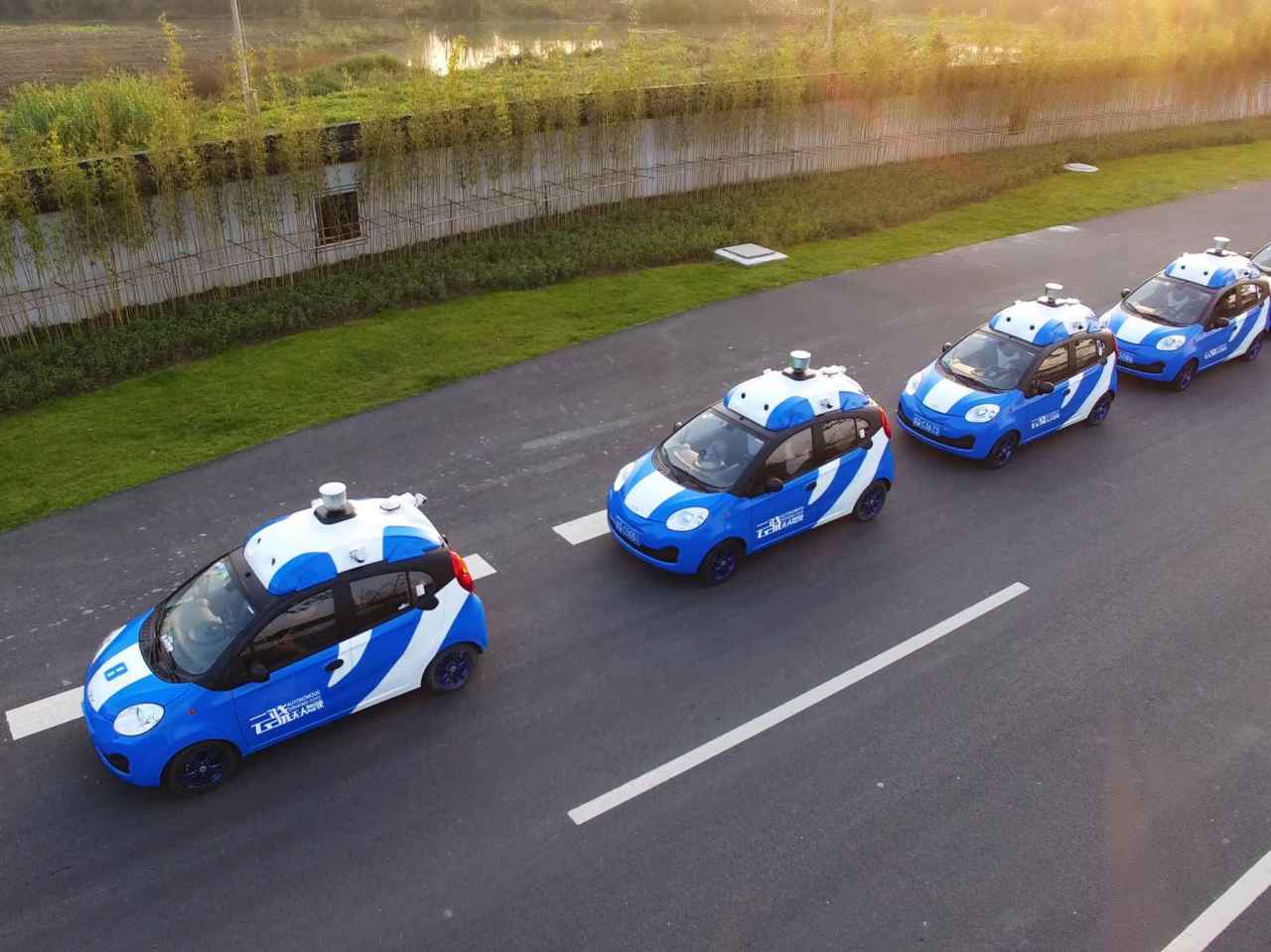
In the burgeoning landscape of autonomous vehicles, Baidu is taking a revolutionary leap that could reshape the future of transportation. The Chinese tech behemoth has announced its Apollo project, an initiative aimed at developing a comprehensive self-driving car platform that will be made freely available to automotive manufacturers and developers worldwide. This is not just an invitation; it’s a call to arms for the industry to accelerate the advent of intelligent, autonomous mobility.
The Vision Behind Apollo
With the aim of reinforcing its position in the AI and automotive industries, Baidu is committed to creating an open ecosystem around self-driving technologies. As Qi Lu, the COO of Baidu, poignantly noted, “AI has great potential to drive social development, and one of AI’s biggest opportunities is intelligent vehicles.” But what does this mean for the automotive landscape? Let’s take a closer look.
Structured Support for Autonomous Development
Baidu’s Apollo project encompasses a robust tech stack that includes vehicle platforms, hardware configurations, essential software, and extensive cloud data services. The initiative’s phased approach signifies a meticulous strategy:
- Initial Launch in July: Technologies targeting restricted environments will be available.
- End of Year Expansion: Tools for simple urban road conditions will be introduced.
- Full Tech Launch by 2020: Aiming for comprehensive solutions for autonomous driving on highways and complex urban settings.
Building Partnerships for Innovation
The success of the Apollo project will hinge significantly on its partnerships within the industry. Baidu intends to foster collaborations with automakers, sensor manufacturers, and other key stakeholders. Already having established relationships with firms such as BAIC Motor and BYD, Baidu’s strategy is both inclusive and aggressive. By sharing its technological innovations, Baidu aims to cultivate a collaborative environment where knowledge and advancements are not restricted to a select few but are available to all.
A Competitive Edge in the Self-Driving Arena
This ambitious move by Baidu is positioned as a counter to established players like Google and Tesla. By making AI-driven technologies accessible, it cleverly disrupts existing paradigms, inviting automotive companies to co-create rather than compete alone. Furthermore, it’s important to note that it’s not merely about the technology available, but the potential to innovate and iterate collectively, generating solutions that could outpace current offerings.
Looking Forward: Baidu’s Commitment to Innovation
With a dedicated AI team of approximately 1,300 experts, Baidu continues to demonstrate commitment towards harnessing artificial intelligence to solve real-world issues. Even after Andrew Ng’s departure, the team remains one of the largest in the tech sector, tasked with pushing the frontiers of AI applications in transportation.
Conclusion: A New Era of Autonomous Vehicles
The decision to open-source its self-driving tech heralds a paradigm shift in the automotive industry. By empowering other manufacturers with the tools and knowledge required to create intelligent vehicles, Baidu is not merely building a platform; it’s fostering a collaborative ecosystem aimed at realizing the dream of autonomous transportation.
At fxis.ai, we believe that such advancements are crucial for the future of AI, as they enable more comprehensive and effective solutions. Our team is continually exploring new methodologies to push the envelope in artificial intelligence, ensuring that our clients benefit from the latest technological innovations.
For more insights, updates, or to collaborate on AI development projects, stay connected with fxis.ai.