
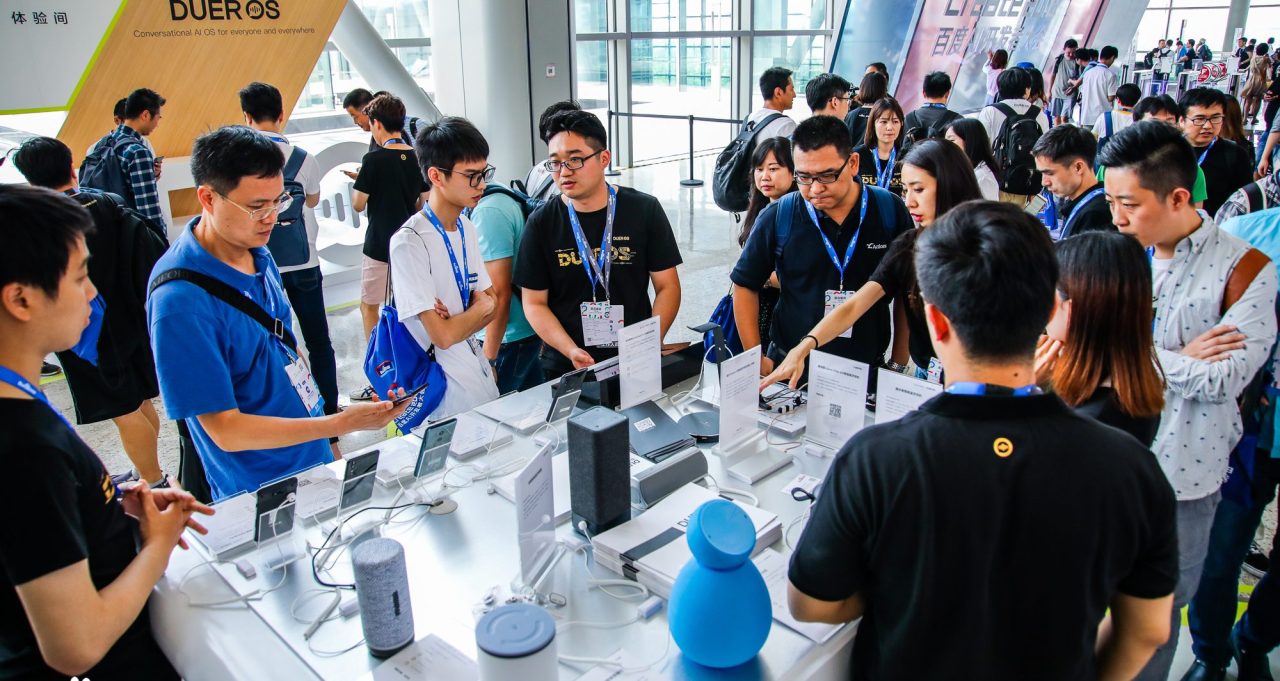
In the dynamic landscape of artificial intelligence, voice interaction technologies are rapidly reshaping user experiences. China’s internet giant Baidu is making waves with its voice assistant, DuerOS, which has impressively expanded its reach to over 200 million devices. In contrast to Amazon’s Alexa and Google Assistant, DuerOS showcases a unique trajectory, reflecting both the challenges and triumphs in the competitive domain of voice technology. This article dives into the evolution of DuerOS, its current standing, and what it means for the future of voice assistants.
The Rise of DuerOS
At the end of 2018, Baidu’s DuerOS recorded a remarkable increase from 90 million installs just months prior. This growth highlights Baidu’s strategic pivot from a traditional search engine to an artificial intelligence powerhouse. Despite some setbacks with the departure of notable figures like Lu Qi, Baidu’s innovation continued to flourish, reinforcing the importance of transitioning towards AI integration in various tech areas.
- 200 million devices support DuerOS as per Baidu’s announcement.
- Only 35 million of these devices engage the assistant on a monthly basis.
- Comparatively, Alexa operates on over 100 million devices, aiming for 1 billion in the coming months.
Comparative Capabilities: DuerOS vs. Alexa
A substantial contrast emerges when comparing DuerOS to its U.S. counterparts. While Alexa boasts over 56,000 skills and integrates with more than 4,500 brands, DuerOS is currently limited to around 800 skills, working with 85 brands. Baidu’s choice to focus on a niche selection of partnerships and capabilities may offer a glimpse into its strategy for deep integration within specific markets, particularly in China.
Strategic Partnerships and Market Penetration
The vast user base of Baidu’s navigation app presents a significant advantage for DuerOS. As noted, over 140 million individuals have activated voice functionalities through Baidu Maps. Furthermore, the rise in Baidu’s consumer electronics through speakers indicates a pattern of aggressive growth, illustrated by a staggering declared 711% increase in smart speaker sales. This not only positions DuerOS effectively within the smart home ecosystem but also signifies a break from the past duopolistic control of Alibaba and Xiaomi.
Automation and the Future
Looking ahead, Baidu is not just stopping at home automation. The Apollo project promises to position DuerOS into the driving seat of the autonomous vehicle market, partnering with major car manufacturers such as Volvo and Ford. Aiming to become the Android for autonomous driving, Baidu’s collaborative approach with over 130 original equipment manufacturers (OEMs) showcases a keen understanding of the automotive industry’s shifting landscape.
Conclusion
Baidu’s DuerOS is more than just a competitor to Alexa or Google Assistant; it represents a significant component of the company’s broader artificial intelligence ambitions. While surrounding challenges remain, particularly regarding skill development and device engagement, the potential and existing partnerships speak to a promising future. DuerOS demonstrates what happens when a tech giant leverages its core competencies in search and navigation to provide innovative solutions tailored to local needs.
For more insights, updates, or to collaborate on AI development projects, stay connected with fxis.ai.
At fxis.ai, we believe that such advancements are crucial for the future of AI, as they enable more comprehensive and effective solutions. Our team is continually exploring new methodologies to push the envelope in artificial intelligence, ensuring that our clients benefit from the latest technological innovations.