
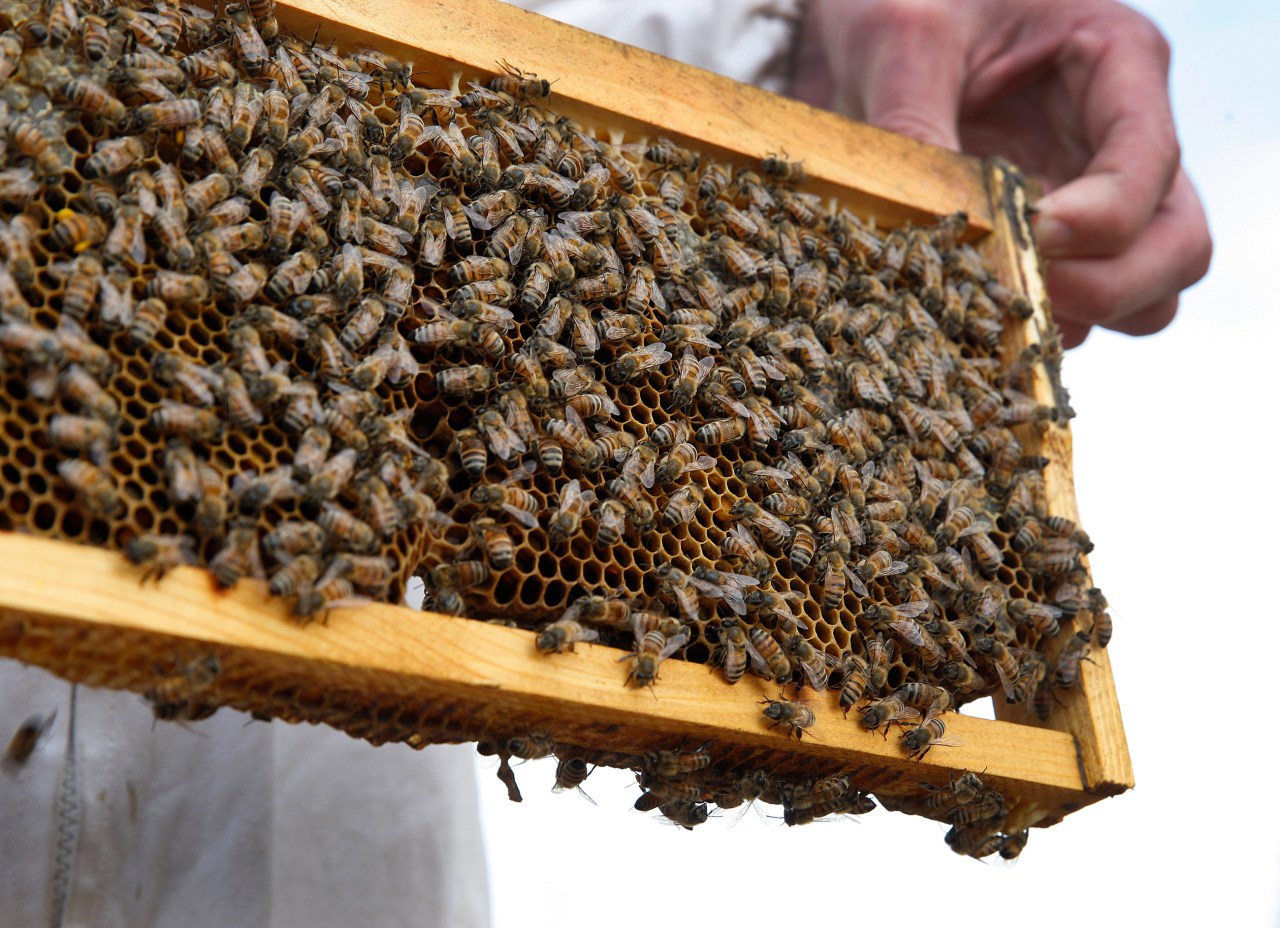
In the ever-evolving landscape of technology, few innovations capture our imagination like the integration of machine learning into hands-on fields. One particularly fascinating development comes from Swedish beekeeper and inventor Björn Lagerman, who has merged traditional beekeeping with cutting-edge AI to create an application named BeeScanning. This innovative app leverages deep learning algorithms and computer vision to help beekeepers monitor their colonies for a common but dangerous threat: Varroa mites.
The Deadly Threat of Varroa Mites
Varroa mites are a relentless enemy for both bees and their keepers, causing devastation by attaching themselves to bees and draining their vitality. Without vigilant monitoring and swift action, these pests can wipe out entire colonies in a matter of weeks. The need for early detection has never been more pressing, as traditional methods of identifying Varroa mites can be prohibitively time-consuming and labor-intensive.
How BeeScanning Works
So how exactly does BeeScanning work its magic? By employing advanced object recognition algorithms, the app analyzes photographs of bees taken on standard smartphones. The stark contrast between the red mites and the darker hues of bees enables the machine learning model to identify and flag potential infestations quickly. This streamlined approach not only saves beekeepers precious time but also reduces stress on bee populations.
The Data Collection Phase
To bring BeeScanning to life, Lagerman and his team are building an extensive database of images—40,000 photos sourced from 10,000 colonies around the world. This robust dataset will train the model, enabling it to accurately detect Varroa mites. The ultimate goal is to validate the efficacy of the app against traditional mite-counting techniques, which often involve painstaking manual processes like alcohol washing bees.
More Than Just an App
BeeScanning is not merely a tool for beekeepers; it also serves as a resource for the research community. By providing detailed insights into Varroa populations, the application aids scientists in understanding how these mites behave and impact bee colonies. Lagerman believes that to sustainably improve bee health, it’s crucial to shift focus towards identifying resistant bee strains rather than relying solely on the current chemical treatments, which may not be viable in the long term.
Crowdfunding for a Buzzing Future
Having launched a Kickstarter campaign to raise funds for BeeScanning, Lagerman is aiming for an initial target of $5,000, with a long-term goal of $350,000. The funds will facilitate the development of the database and enhance awareness about the plight of bees and the challenges posed by Varroa mites. With the prolonged involvement of organizations like the European Innovation Program, Lagerman is optimistic that BeeScanning will make a substantial impact in the field by December 2017.
Conclusion: A Bright Future for Beekeeping
The fusion of agriculture and technology is opening up novel pathways for innovation and efficiency. BeeScanning stands as a testament to how deep learning can empower beekeepers to combat existential threats to bee populations, ensuring their survival for generations to come. As more enthusiasts and professionals embrace such pioneering initiatives, the hope is to foster a future where both bees and beekeepers thrive.
At fxis.ai, we believe that such advancements are crucial for the future of AI, as they enable more comprehensive and effective solutions. Our team is continually exploring new methodologies to push the envelope in artificial intelligence, ensuring that our clients benefit from the latest technological innovations.
For more insights, updates, or to collaborate on AI development projects, stay connected with fxis.ai.