
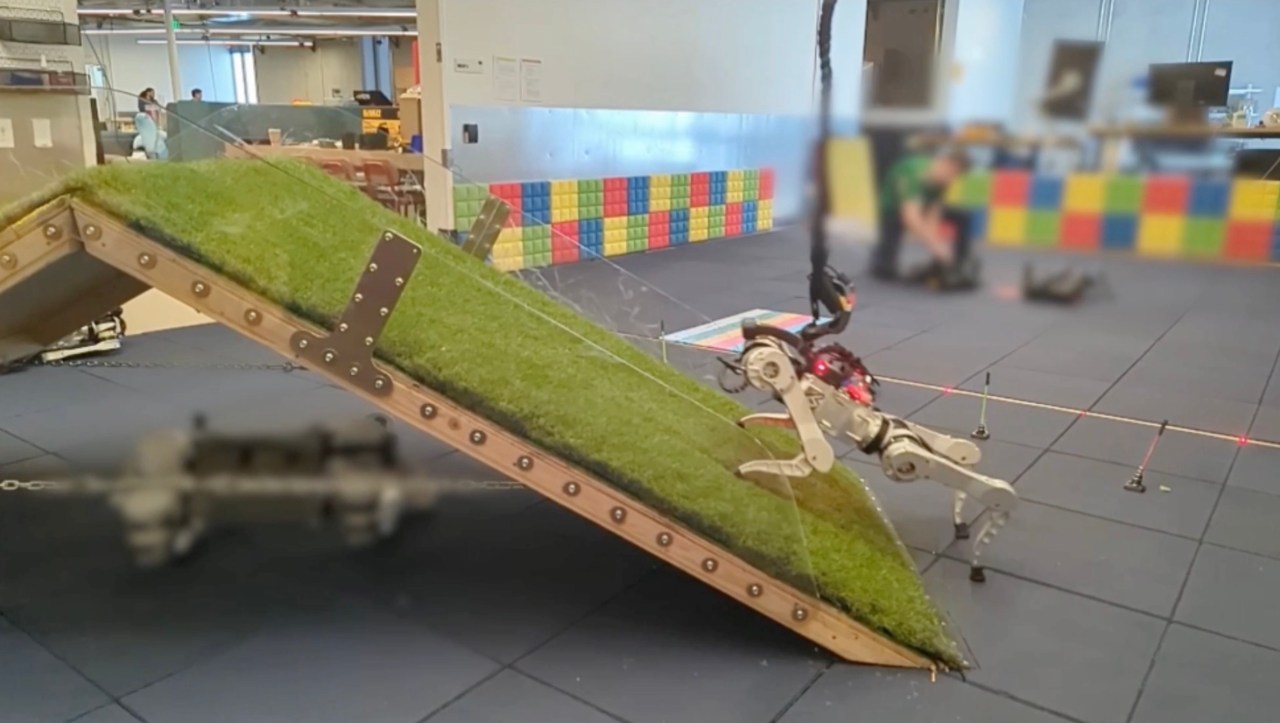
As technology continues to advance, one area of focus in robotics is the evolution of quadrupedal systems. While bipedal robots are still in development stages, quadrupeds have made substantial strides, taking on diverse roles from inspection tasks in industrial settings to engaging in playful soccer matches. The latest development from Google DeepMind aims to further enhance the performance capabilities of these nimble machines with the introduction of “Barkour,” a benchmark specifically designed for quadrupedal robots. This blog explores the significance of Barkour and what it reveals about the future of robotic agility.
Understanding Barkour: The New Standard
Launched by Google DeepMind, Barkour offers a structured benchmarking system aimed at evaluating how well robotic quadrupeds can mimic the agility of their biological counterparts. Unlike previous assessments, Barkour is focused on creating a clear, quantifiable measure of agility inspired specifically by animal behavior. This transparent and systematic approach brings much-needed clarity to the field of robotic development.
How Barkour Works
The benchmarking process involves setting up an obstacle course that mimics the challenges faced by real animals. In a clever nod to the title, Barkour, the course resembles parkour but is specifically tailored for quadrupeds. Here’s a breakdown of how it operates:
- Obstacle Course Design: The course consists of four distinct obstacles arranged in a compact 5×5 meter area, which tests the versatility and speed of the robotic contenders, much like traditional dog shows.
- Performance Evaluation: Robots are rated on a performance scale from 0 to 1, reflecting their ability to navigate the course within a timeframe similar to that of a dog. This includes penalties for slower speeds or failing to tackle the obstacles effectively.
- Animal-Like Benchmarking: By utilizing real dogs for performance comparisons, the team believes this provides an authentic measurement, enhancing the relevance of the results.
The Impact of Barkour on Quadrupedal Robotics
Barkour is not just a flashy name—it’s a critical stride towards creating a robust system for legged robot development. The insights generated through this benchmarking could pave the way for significant advancements in how we design and deploy quadrupedal robots in various sectors. Here are some notable implications:
- Standardization: With a solid benchmark in place, developers can more consistently track progress in quadrupedal robot capabilities, facilitating improvements and innovations.
- Customization: Barkour’s flexible framework allows for adaptations, ensuring that different robots with varying features can still participate fairly in evaluations, enhancing their usability across industries.
- Autonomous Recovery: One of the standout features observed during Barkour trials is a robot’s ability to self-recover after failure, showcasing the potential for autonomous capabilities in unexpected situations.
Conclusion: The Future of Quadrupedal Robotics
Barkour represents an essential milestone in the evolution of quadrupedal robotics, providing a detailed framework to assess agility and performance. As technology continues to blur the lines between biological organisms and machines, benchmarks like Barkour could lead to advancements that ultimately contribute to broader applications of robotics in society—from industrial inspections to companionship roles. It also raises the bar for quality and effectiveness in AI development, encouraging researchers and developers to push the limits of what’s possible.
At **[fxis.ai](https://fxis.ai/edu)**, we believe that such advancements are crucial for the future of AI, as they enable more comprehensive and effective solutions. Our team is continually exploring new methodologies to push the envelope in artificial intelligence, ensuring that our clients benefit from the latest technological innovations. For more insights, updates, or to collaborate on AI development projects, stay connected with **[fxis.ai](https://fxis.ai/edu)**.