
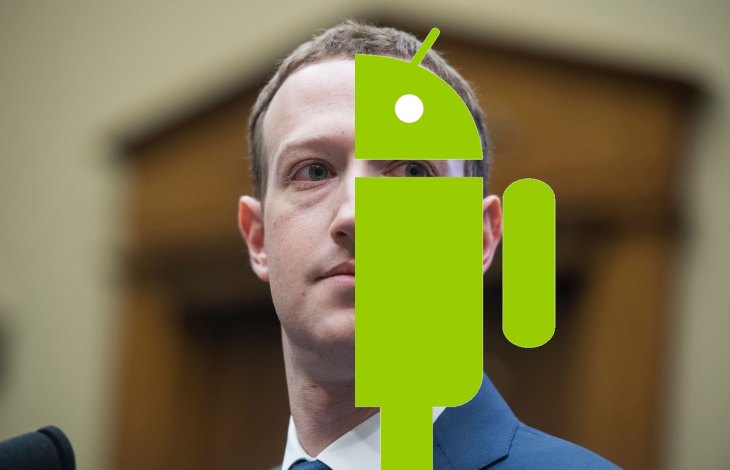
As technological landscapes evolve, so too must the giants who navigate them. Facebook, known for its pervasive social media influence, is now setting its sights on a new ambition: creating its own operating system. This seemingly bold move stems from a critical need to regain control over its hardware initiatives, like Oculus and its future augmented reality (AR) glasses, which currently rely on external platforms like Android. But what’s behind this decision, and what could it mean for the tech ecosystem?
Taking Control: A Drive for Independence
Mark Lucovsky, a seasoned veteran in the tech industry and co-author of Microsoft’s Windows NT, has taken the helm of this ambitious project. Facebook’s VP of Hardware, Andrew ‘Boz’ Bosworth, has articulated the company’s vision to forge its path free from the constraints and potential conflicts arising from partnerships with competitors like Google. “We don’t think we can trust the marketplace or competitors to ensure that’s the case. And so we’re gonna do it ourselves,” he stated. This sentiment underscores the urgency behind this initiative.
Enhancing User Experience Through Customization
The development of a proprietary operating system opens numerous avenues for Facebook to enrich user experience in its hardware—especially in AR. With greater control over the OS, the company can seamlessly integrate social features and prioritize user privacy. Imagine AR glasses that not only enhance our reality but also connect us in more meaningful ways while safeguarding our data. Such an OS could empower Facebook to carve out a niche in the burgeoning AR market, and possibly stymie the aspirations of competitors.
Lessons from the Past: Avoiding the Pitfalls
Facebook’s prior attempts to delve into hardware, such as the ill-fated HTC First, were met with criticism and ultimately, failure. The company’s previous foray into a customized Android experience backfired, leading to a lesson learned: consumer preferences are paramount, and any technology must resonate with users. This time, Facebook’s strategy may involve greater user engagement during the development phases to ensure a product that fulfills market needs. In line with this, Facebook is also considering inviting external partners to collaborate on specialized aspects of its new OS.
Seeing the Bigger Picture: Retail and Hardware Synergy
The creation of a custom operating system is only a piece of the puzzle. Facebook’s plans for a new 770,000-square-foot office in Burlingame, California, which includes dedicated labs and retail spaces, further reflect its commitment to an enriched user experience. With the potential for public-facing spaces, users can engage directly with Facebook’s AR and VR products, experimenting with hardware before purchasing. Bridging online and offline experiences could draw users closer and create a more immersive environment for future product launches.
The Future: Hardware Integration and Revenue Opportunities
Facebook’s exploration into new hardware avenues, such as the potential acquisition of Cirrus Logic, signals a serious commitment to owning more of the hardware ecosystem. This level of control could prove invaluable in optimizing user experiences and creating revenue streams beyond advertising. By deepening integration between its hardware products and data-driven advertising systems, Facebook can create a robust ecosystem that promotes social connectivity while also driving profitability.
A Head Start into Brain-Computer Interfaces
Alongside these developments, Facebook is exploring the realm of brain-computer interfaces, with an ambitious trajectory toward real-time communication via thought alone. Progress in this domain not only showcases Facebook’s innovative edge but also indicates the broader potential of technology. As it moves toward developing more intuitive interactions, the engagement level that users will experience could redefine how we view social media and connectivity altogether.
Conclusion: Navigating Toward a Brighter Tech Future
As Facebook embarks on this ambitious journey to establish its own operating system, the ramifications extend beyond just one company. The move reflects a desire for independence in a swift-paced tech world, showcasing the importance of user-centered design, lessons learned from past endeavors, and the ongoing quest for innovation. As Facebook forges ahead, this could define its place amidst evolving technological narratives, ensuring it remains not just a social media platform, but a pivotal player in the future of computing.
For more insights, updates, or to collaborate on AI development projects, stay connected with fxis.ai.
At fxis.ai, we believe that such advancements are crucial for the future of AI, as they enable more comprehensive and effective solutions. Our team is continually exploring new methodologies to push the envelope in artificial intelligence, ensuring that our clients benefit from the latest technological innovations.