
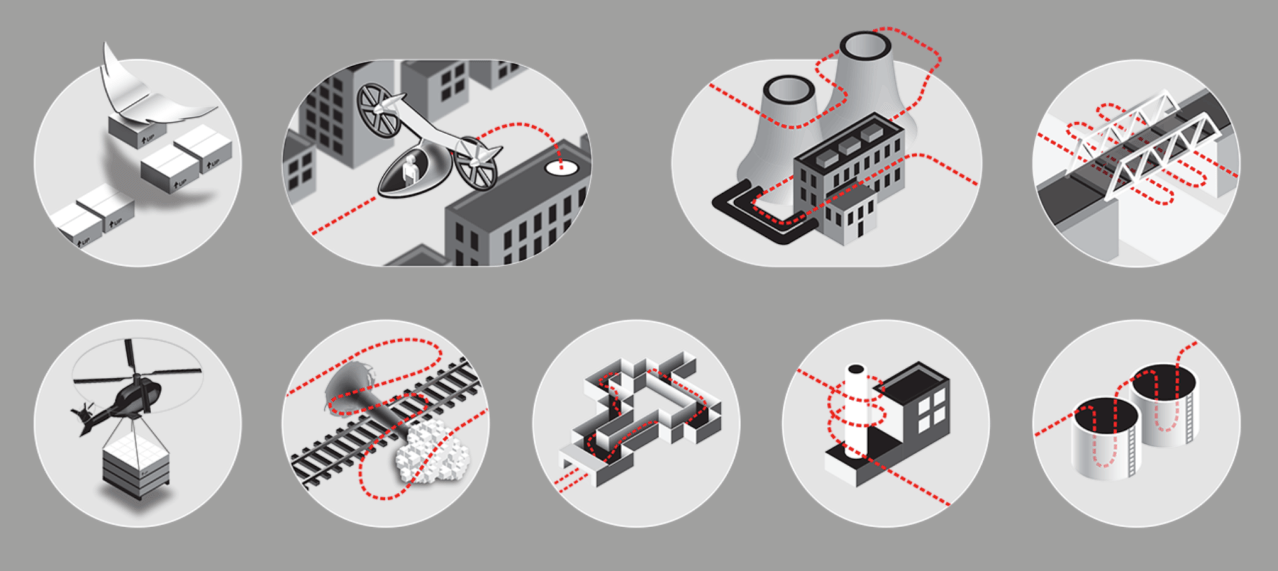
As technology continues to evolve at a breathtaking pace, the aviation industry is undergoing a transformative shift, characterized by the growing presence of autonomy. Boeing’s recent investment in Near Earth Autonomy marks a significant milestone in this journey; it highlights an emerging trend that combines traditional aerospace expertise with cutting-edge automation technology. This partnership is poised to redefine not only how we think about air travel but also the operational capabilities of autonomous systems in various sectors.
A Strategic Investment in the Future of Flight
Boeing has historically been a leader in aerospace design and manufacturing, but its foray into autonomous vehicle technologies is a strategic move designed to bolster its competitive edge in the rapidly evolving aviation landscape. By investing in Near Earth Autonomy, a Carnegie Mellon spin-off, Boeing is leveraging a wealth of knowledge in robotics and artificial intelligence, aiming to harness these technologies for safe, efficient autonomous flights.
Innovative Solutions from Near Earth Autonomy
Under the guidance of CEO Sanjiv Singh and a talented team comprised of former Carnegie Mellon faculty and students, Near Earth Autonomy specializes in pioneering systems for autonomous aircraft. Their focus areas include:
- Collision Avoidance: Developing algorithms that allow aircraft to detect and avoid obstacles, crucial for operating in varied environments.
- Motion Planning: Creating systems that can autonomously determine optimal flight paths, greatly enhancing safety and efficiency.
- GPS-Free Navigation: Innovating methods for navigating without GPS, which could be vital in urban landscapes where signal interference is common.
This expertise places them at the forefront of autonomous aviation, addressing some of the most significant challenges in the field.
Expanding Horizons with Urban Mobility
The partnership between Boeing and Near Earth Autonomy isn’t merely about investing; it encompasses collaboration on future-focused technology centered around urban air mobility. As cities grapple with congestion and environmental concerns, the concept of flying taxis is fast becoming a viable solution for efficient transportation. By harnessing the autonomy technology from Near Earth, Boeing is positioning itself as a key player in this burgeoning market.
An Ecosystem of Opportunities
The excitement surrounding autonomous flight extends beyond personal vehicles. The potential applications are expansive and could include:
- Automated Cargo Delivery: Drones equipped with advanced automation systems could revolutionize logistics by providing rapid delivery solutions.
- Defensive Applications: In the defense sector, autonomous aircraft can lead to enhanced reconnaissance and operational effectiveness.
- Site Inspections: Industries such as construction and agriculture could benefit from drone-based systems that autonomously monitor large areas.
The infusion of investment and technology innovation will likely pave the way for these applications to flourish, elevating operational efficacy across sectors.
Conclusion: An Exciting Future Ahead
The partnership between Boeing and Near Earth Autonomy is indicative of the broader trends within the aerospace industry as it embraces automation and seeks to redefine the possibilities for air travel. The synergistic blend of Boeing’s heritage and Near Earth Autonomy’s innovative approach may herald a new era characterized by safety, efficiency, and unprecedented accessibility in aviation.
At fxis.ai, we believe that such advancements are crucial for the future of AI, as they enable more comprehensive and effective solutions. Our team is continually exploring new methodologies to push the envelope in artificial intelligence, ensuring that our clients benefit from the latest technological innovations.
For more insights, updates, or to collaborate on AI development projects, stay connected with fxis.ai.