
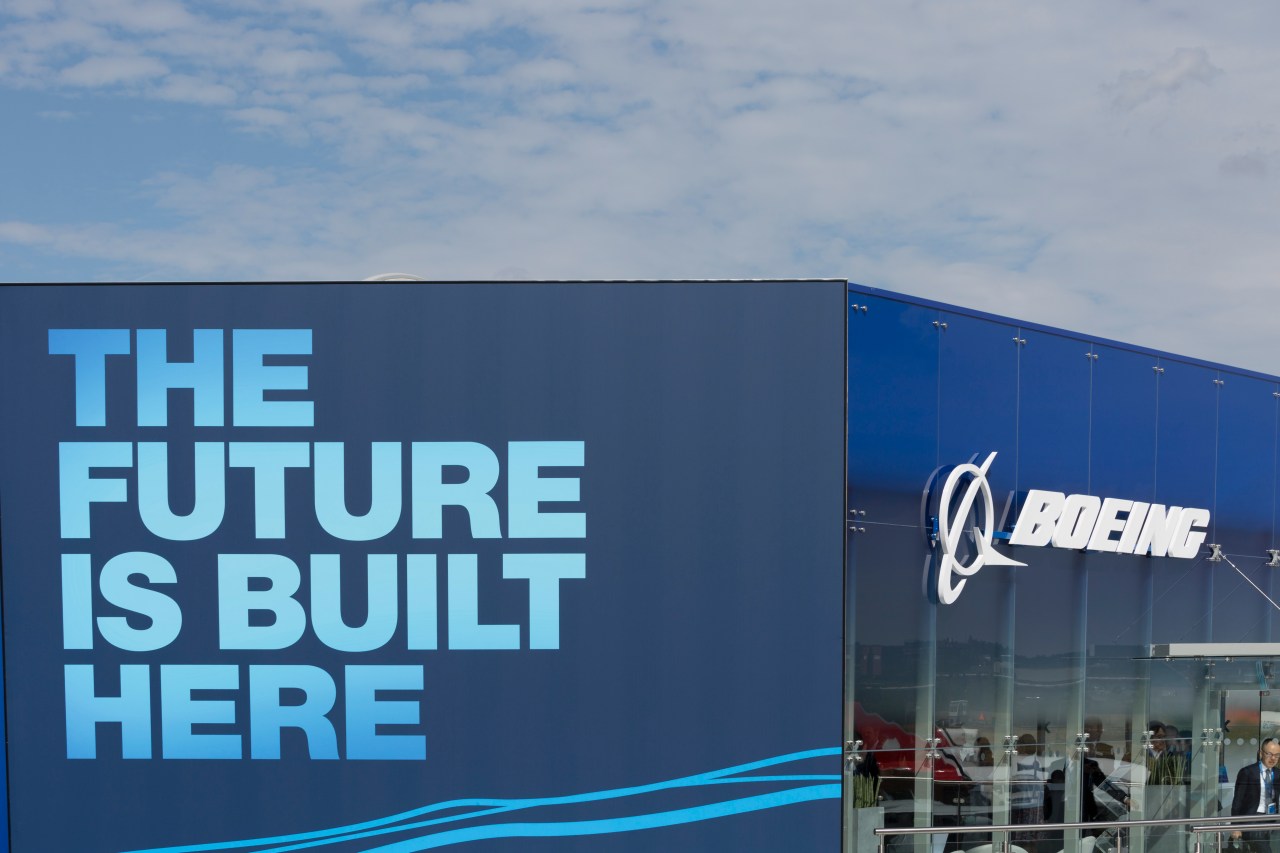
As the world looks towards a future intertwined with cutting-edge technology, Boeing has announced a transformative endeavor to pave the way for autonomous flight. The aviation giant has earmarked significant resources to establish a new Research and Development center in Boston, aimed at reimagining air travel through automation. This initiative not only marks Boeing’s entry into general aviation but also signals a potential revolution in how we think about personal flight.
The Vision of Autonomous Flight
Boeing’s ambition goes beyond merely developing aircraft; it aims to democratize flight by making it accessible to those without extensive training. The idea of flying cars may seem like a whimsical fantasy, yet advancements in technology suggest we might soon witness a shift in urban transportation paradigms. As noted by Boeing’s Chief Technology Officer, Greg Hyslop, the company is dedicated to bringing flight closer to home, transforming how we view personal and urban transport.
Collaboration with Innovative Minds
The foundation of this new R&D center is rooted in collaboration. By encompassing Boeing’s engineers and the expertise of its Aurora Flight Sciences subsidiary, the center leverages a unique synergy for innovative solutions. Additionally, the proximity to MIT allows Boeing to tap into a wealth of knowledge and research potential, enhancing the likelihood of breakthroughs in autonomous systems. Combine this with the vibrant tech scene in Cambridge, and you have a fertile ground for innovation.
A Regulatory Landscape in Transition
Despite the excitement, the path to widespread adoption of autonomous aircraft is fraught with challenges, particularly concerning regulations. Currently, the FAA has clear guidelines that govern the use of general aviation aircraft, with most rules designed for a less automated fleet. As Boeing navigates this complex regulatory environment, there is optimism that the FAA will adapt to accommodate new technologies, much like it did with the introduction of drone regulations.
Imagining the Future of Urban Air Mobility
What would the future of urban air mobility look like? Picture sleek electric drones silently gliding across urban landscapes, ferrying passengers above the everyday hustle and bustle of traffic. These semi-autonomous aircraft could potentially be classified under the FAA’s ultralight designation, allowing individuals to experience the joy of flight without the rigorous requirements of a traditional pilot’s license. The future might not entail flying cars in the conventional sense, but it certainly sets the stage for a significant shift in how we move through cities.
Conclusion: Soaring Towards Tomorrow
As Boeing embarks on this ambitious project, it opens the dialogue around the implications of autonomous aviation. This endeavor not only holds the promise of enhanced personal mobility but also challenges us to rethink our existing transportation frameworks in urban settings. With collaboration, innovation, and a touch of regulatory flexibility, the notion of autonomous flight could soon transition from concept to reality.
At **[fxis.ai](https://fxis.ai/edu)**, we believe that such advancements are crucial for the future of AI, as they enable more comprehensive and effective solutions. Our team is continually exploring new methodologies to push the envelope in artificial intelligence, ensuring that our clients benefit from the latest technological innovations. For more insights, updates, or to collaborate on AI development projects, stay connected with **[fxis.ai](https://fxis.ai/edu)**.