
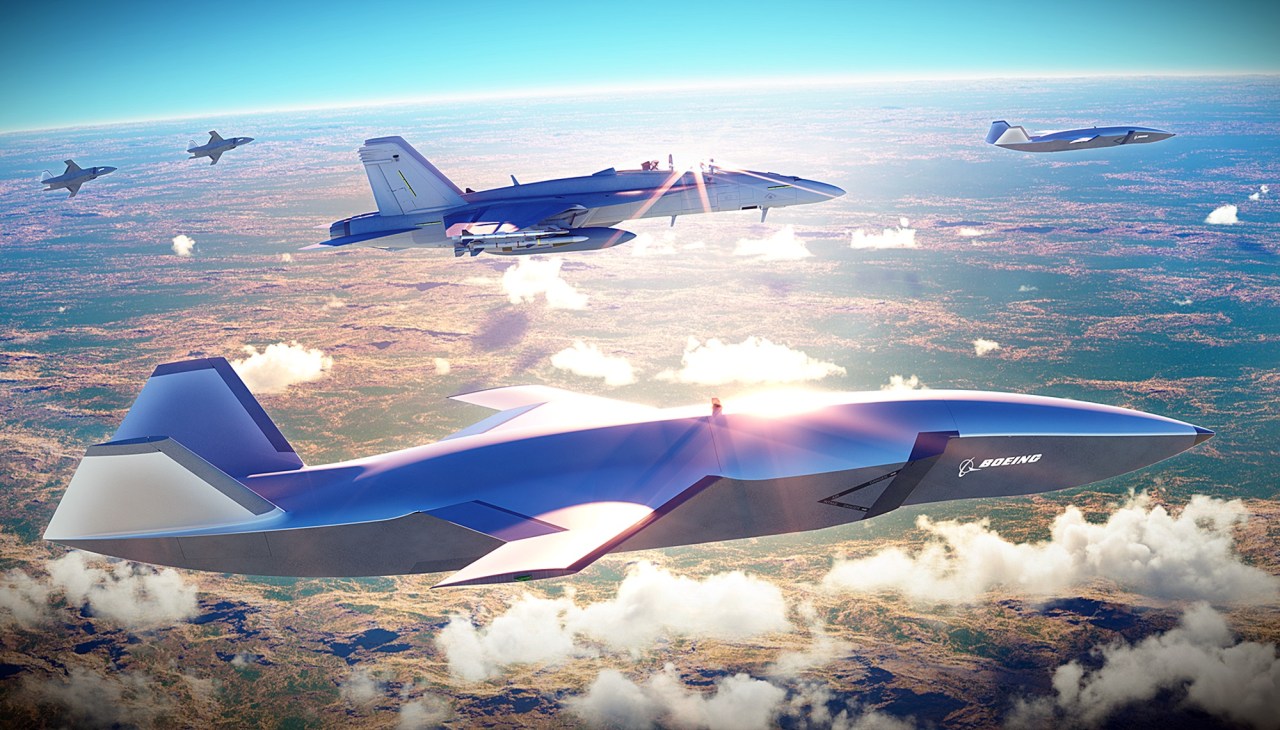
As technology continues to shape the future of warfare, the newest development in aviation has emerged from the land down under. Boeing’s innovative **Loyal Wingman** drone is approaching its first flight, scheduled for 2020. This cutting-edge aircraft promises to redefine the concept of support in military operations by partnering seamlessly with pilot-flown jets. Is this the dawn of a new era in military aviation? Let’s dive deeper to explore the implications of the Boeing Airpower Teaming System.
The Concept of the Loyal Wingman
At its core, the Loyal Wingman is designed to serve as a faithful companion to fighter jets. It aims to improve operational effectiveness by acting as a force multiplier, particularly for nations facing constraints in pilot numbers or advanced aircraft availability. The Loyal Wingman promotes a collaborative approach to combat operations, allowing drones to fly alongside manned aircraft while performing essential support roles.
- Enhanced Surveillance: Equipped with state-of-the-art sensors, the Loyal Wingman will provide crucial reconnaissance capabilities, whether in contested environments or peacetime.
- Mission Flexibility: This aircraft can be configured with various payloads, making it versatile enough to adapt to different mission requirements.
- Autonomous Operations: The Loyal Wingman can operate independently or under remote control, allowing it to carry out complex strategies without putting additional pilots in harm’s way.
A Global Approach to Defense
Boeing is positioning the Loyal Wingman as a collaborative international program. Marc Allen, President of Boeing International, highlighted the initiative’s potential for global participation. This initiative not only showcases an innovative aircraft but also emphasizes the importance of a skilled local workforce in the defense sector. By enabling countries to customize and adapt the technology to suit their specific needs, Boeing is laying the groundwork for international partnerships.
The Technical Specifications
The design of the Loyal Wingman is not just about function, but it also features a sleek and formidable appearance. At 38 feet long with a 2,300-mile range, this drone is built for endurance and extended missions. Its performance capabilities mean that it can engage in various operations from surveillance to intelligence gathering, bridging the gap between traditional manned aircraft and unmanned aerial vehicles.
The Future of Drones in Combat
As military tactics evolve, the demand for versatile drone systems like the Loyal Wingman will only grow. The notion of having an “extra pair of eyes” in complex combat situations aligns with the current military strategy that seeks to leverage technology for strategic advantage.
It’s essential to recognize that while drones have gained popularity for reconnaissance missions, their role in combat operations will continue to expand. By investing in advanced technologies, defense forces are paving the way for more sophisticated, integrated approaches to warfare.
Conclusion
The upcoming flight of the Boeing Loyal Wingman could mark a pivotal moment in military aviation history. As countries grapple with budget constraints and technological demands, having a reliable drone companion could redefine operational strategies, enhance safety for pilots, and enable smarter resource allocation. The industry’s potential for collaboration also paints a promising picture for the future of defense technology, allowing nations to pool resources and knowledge in the quest for robust military capabilities.
At fxis.ai, we believe that such advancements are crucial for the future of AI, as they enable more comprehensive and effective solutions. Our team is continually exploring new methodologies to push the envelope in artificial intelligence, ensuring that our clients benefit from the latest technological innovations. For more insights, updates, or to collaborate on AI development projects, stay connected with fxis.ai.