
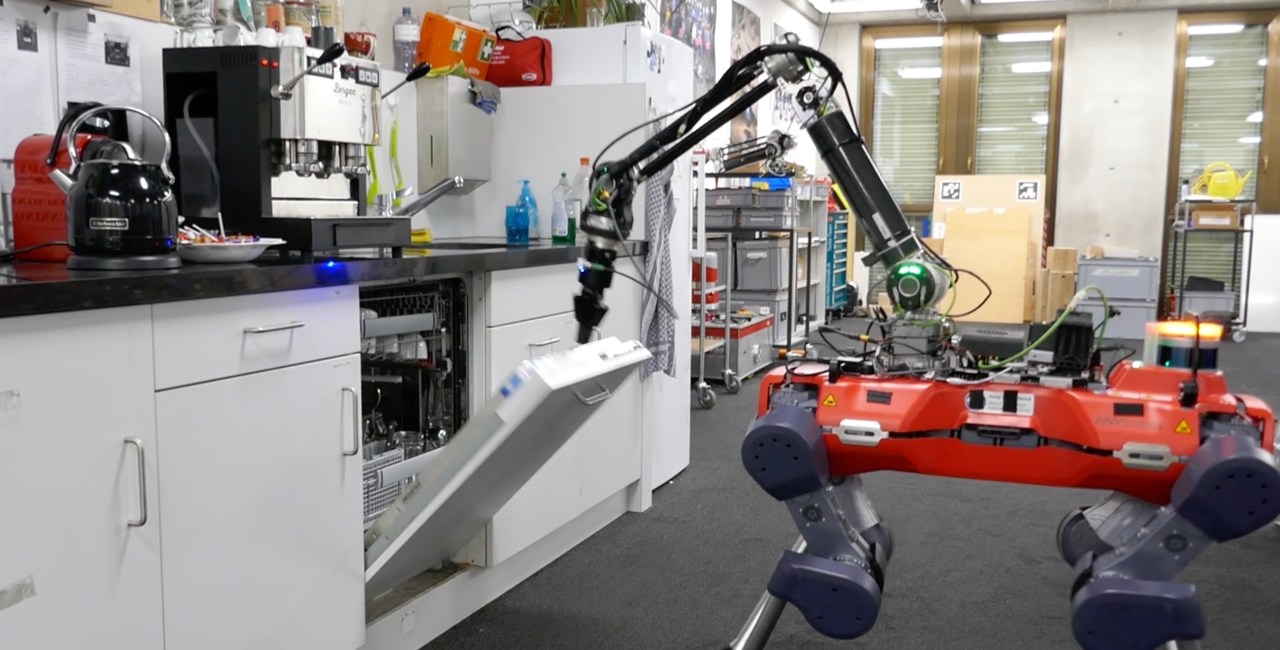
The world of robotics is bursting with advancements that promise to transform our daily lives. Among the most intriguing developments is the recent research from ETH Zurich that empowers robots to teach themselves new skills, such as opening dishwashers and navigating through doors—with minimal human involvement. Gone are the days when these automated machines had to rely on extensive manual guidance. Let’s delve into how this groundbreaking three-step process is opening doors (literally) for the future of robotics.
The Old Ways of Teaching Robots
Traditionally, the training of robots in complex tasks relied heavily on human intervention. Most videos we see of robots smoothly opening doors or interacting with objects hint at a behind-the-scenes effort where humans either controlled the robots remotely or guided them through the processes step by step. While these methods have produced impressive results thus far, they are not efficient for real-world applications where autonomy is essential.
The ETH Zurich Approach
The ETH Zurich research introduces an innovative paradigm that significantly reduces the need for human oversight. The process follows three key steps:
- Contextual Descriptions: Users provide high-level descriptions of the scene and the action the robot is supposed to carry out.
- Route Planning: The system then plans a somewhat convoluted path, which leverages advanced algorithms to assess the environment and potential obstacles.
- Path Refinement: Finally, the robot refines this initially complex route into a minimal viable path, optimizing its actions for efficiency.
Understanding the Mechanisms
This remarkable process hinges on an advanced planning system that operates through two main perspectives:
- Object-Centric Approach: Focusing on tasks that involve direct interaction with objects, such as opening a door or operating a dishwasher.
- Robot-Centric Approach: Concentrating on the robot’s mobility and spatial awareness, particularly in relation to surrounding objects.
The methodologies described allow for a level of adaptability, enabling the robots to take on various tasks—even outer designs like the quadruped ANYmal from ANYbotics, a company that’s spun out of ETH Zurich and is turning heads in the robotics field.
A Stepping Stone Towards True Autonomy
This research is not just about opening doors and dishwashers; it’s a substantial step toward creating a fully autonomous loco-manipulation pipeline. Imagine robots that can self-learn, adapt, and operate in complex environments without human assistance. Such capabilities are crucial for the future of robotics, especially in domestic, industrial, and healthcare settings.
The Broader Implications
The strides made in robot autonomy can redefine the roles these machines play in our lives. With ongoing developments, we could soon see robots that can perform day-to-day tasks—freeing up time for humans to focus on more creative and complex activities. As the technology matures, we might encounter robots that can assist in kitchens, manage deliveries, or even maintain facilities—all while requiring minimal supervision.
Looking Ahead
The implications of this research extend beyond simply teaching robots how to open doors. It sets a precedent for future innovations in robotic capabilities. As the technology continues to evolve, so too will our relationships with these intelligent machines.
At fxis.ai, we believe that such advancements are crucial for the future of AI, as they enable more comprehensive and effective solutions. Our team is continually exploring new methodologies to push the envelope in artificial intelligence, ensuring that our clients benefit from the latest technological innovations.
For more insights, updates, or to collaborate on AI development projects, stay connected with fxis.ai.