
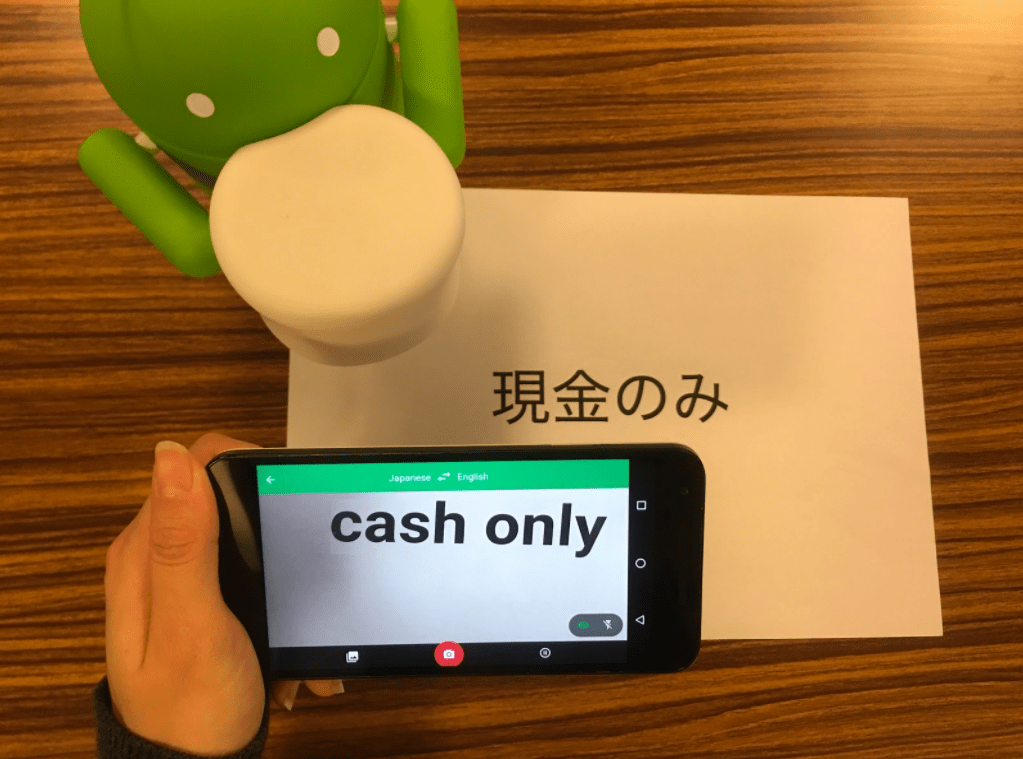
In our increasingly global world, the ability to communicate across languages can transform experiences. One technological marvel that has made significant strides in this domain is Google Translate. With its latest addition of live translation for Japanese text through the Word Lens feature, the app showcases the incredible advancements in both translation technology and user utility.
Real-Time Translation: A Game Changer
Google Translate has long been a lifeline for travelers navigating foreign lands, particularly in places where the local language is challenging for visitors. The introduction of live translation means users can now simply point their smartphone cameras at signs, menus, or any printed Japanese text and receive an immediate English translation. This feature aims to remove the lag time previously experienced when taking a photo of text and uploading it for translation.
Turning Obstacles into Opportunities
- Practical Applications: For tourists, this innovative functionality can facilitate smoother interactions, whether it’s ordering food or understanding public transport signage.
- Cultural Connection: With immediate access to translations, users can deepen their engagement with local culture in a way that was previously challenging.
- Increased Autonomy: Gone are the days of having to rely on local guides or friends for translations; users can now explore at their own pace.
From Acquisition to Integration: The Story Behind Word Lens
The technology behind this impressive capability is rooted in Google’s acquisition of Quest Visual, the creators of the Word Lens app. Originally launched in 2015 for English-Spanish translations, this feature has exponentially evolved due to Google’s continuous efforts to advance AI-driven translation methods. Leveraging machine learning allows Google Translate to handle not only speed but also accuracy with improving proficiency in language recognition.
The Impact of AI on Translation Services
With the shift to AI-driven models, users can expect to see continued enhancements in the Google Translate app, particularly in the diversity of languages supported by live translation. The algorithmic learning capabilities of AI offer the potential for more nuanced translations that take context into account, leading to fewer misunderstandings and enhancing the user experience.
A Personal Anecdote: Learning the Hard Way
Reflecting on my own travel experiences, I recognize how invaluable this feature would have been. I recall a friend who mistakenly purchased bleach instead of laundry detergent due to a misinterpretation of Japanese text. Such common mishaps could easily be avoided with tools like live translation, providing comfort and confidence to navigate unfamiliar settings.
Conclusion: The Future of Translation
The live translation feature in Google Translate undeniably represents a major leap forward in breaking down language barriers. As travelers grow more reliant on technology for everyday tasks, tools like these will continue to foster cultural understanding and connectivity. At fxis.ai, we believe that such advancements are crucial for the future of AI, as they enable more comprehensive and effective solutions. Our team is continually exploring new methodologies to push the envelope in artificial intelligence, ensuring that our clients benefit from the latest technological innovations.
For more insights, updates, or to collaborate on AI development projects, stay connected with fxis.ai.