
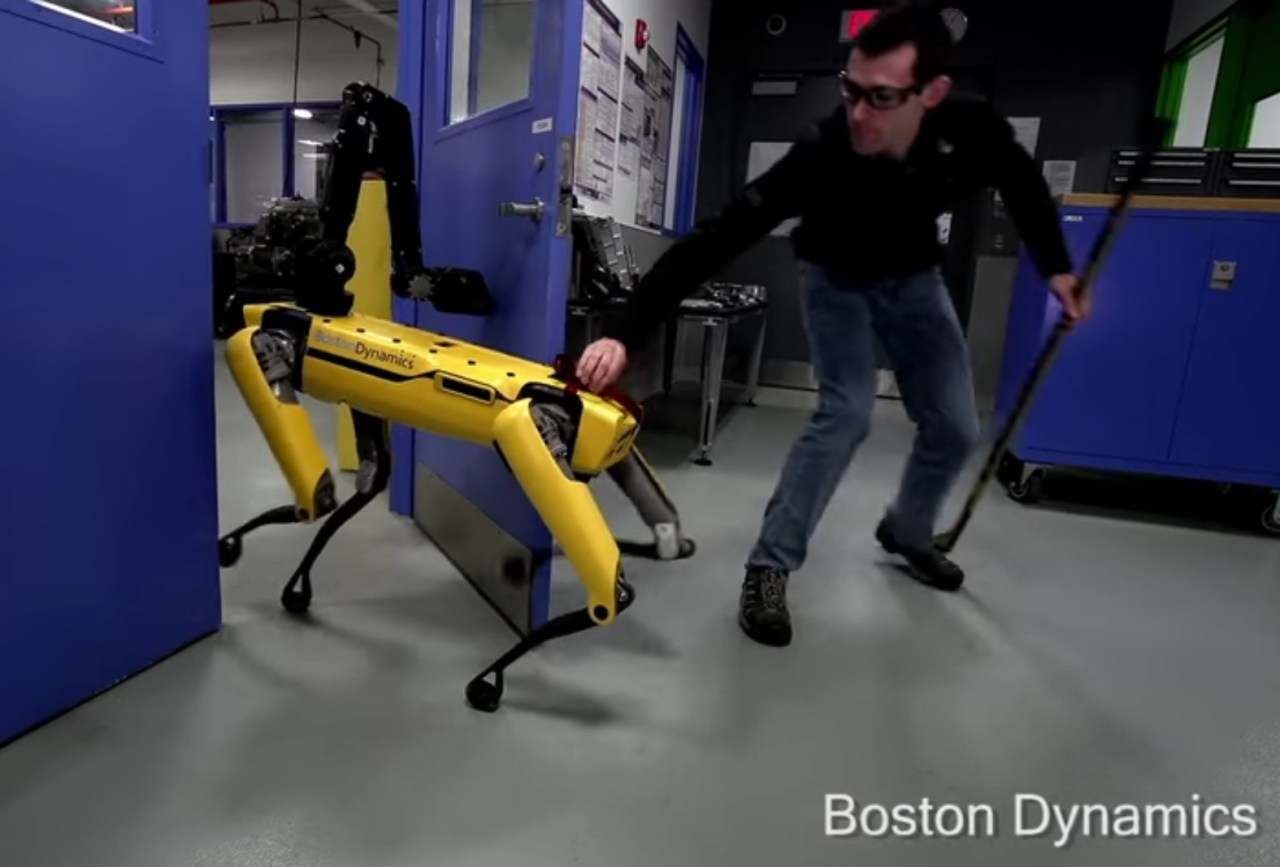
The world of robotics is on an exhilarating trajectory, thanks to advances in technology and innovative engineering. One of the shining examples of this progress is Boston Dynamics’ Spot Mini—a robot that recently demonstrated its capability to open doors, showcasing not only its agility but also its potential to assist in various environments. Yet, with these advancements comes a weighty responsibility: how we interact with these mechanical beings and test their capabilities can raise ethical questions and provoke emotional responses, even in the most ardent tech enthusiasts.
The Unveiling of Spot Mini’s Skills
Spot Mini’s ability to learn how to open doors is a landmark achievement. Imagine a service robot that can navigate the complexities of a home or a busy office space, automatically executing tasks without human intervention. However, as fascinating as this development is, it unveils a series of ethical dilemmas regarding how we, as humans, train and test these robots. The viral videos of Spot Mini enduring harsh treatment during trials serve as a grim reminder that these technologies are not merely tools; they elicit responses that can be interpreted as emotional.
Testing vs. Abuse: Finding the Balance
During stress tests, engineers often put robots through situations that test their resilience and adaptability. This includes interference that disrupts their functionality, like being pushed or blocked while performing tasks. While this methodological testing is critical for improving robotic performance in real-world scenarios, the way humans engage with the robots can cross the line into disrespect and abuse. So, how do we find the balance between effective testing and ethical treatment?
- Resilience Training: Robots like Spot Mini might need to be resilient and adept at bouncing back from unexpected circumstances; however, this shouldn’t excuse pushing them to their limits in an abusive manner.
- Understanding Emotions: While robots do not possess emotions, witnessing their struggles can evoke feelings in humans, leading to discomfort and guilt. This calls for a change in the approach towards testing situations, ensuring they are constructive rather than humiliating.
- Human-Robot Interaction: Fostering cooperative interactions between human testers and robots can help bridge the ethical divide. A more respectful approach could lead to better designs that resonate with users.
The Future of Robot Training
As robots become increasingly prevalent in our daily lives, the importance of ethical training methods grows. The evolution of empathy towards machines could lead to improved designs and integrations in society. Researchers and developers must prioritize humane interaction with robots, thereby aligning technological advances with ethical considerations. Robots like Spot Mini, equipped with door-opening capabilities, symbolize not just innovation but the importance of nurturing a respectful relationship between human and machine.
Imagine a future where robots not only carry out tasks efficiently but do so in a harmonious environment free from conflict. As we forge ahead into this uncharted territory, it’s also essential to remember the lessons that come with the journey of automation.
Conclusion: Robots as Partners, Not Victims
The testing of robots should focus on fostering growth and resilience while honoring their contributions. As Boston Dynamics and other innovators continue to refine their creations, they need to ensure that ethical principles guide their interactions with robots, leading us to not just efficient machines but partners in our everyday lives. The interactions we have with robots today may shape the future of human-robot relationships, steering it towards collaboration rather than confrontation.
At **[fxis.ai](https://fxis.ai/edu)**, we believe that such advancements are crucial for the future of AI, as they enable more comprehensive and effective solutions. Our team is continually exploring new methodologies to push the envelope in artificial intelligence, ensuring that our clients benefit from the latest technological innovations. For more insights, updates, or to collaborate on AI development projects, stay connected with **[fxis.ai](https://fxis.ai/edu)**.