
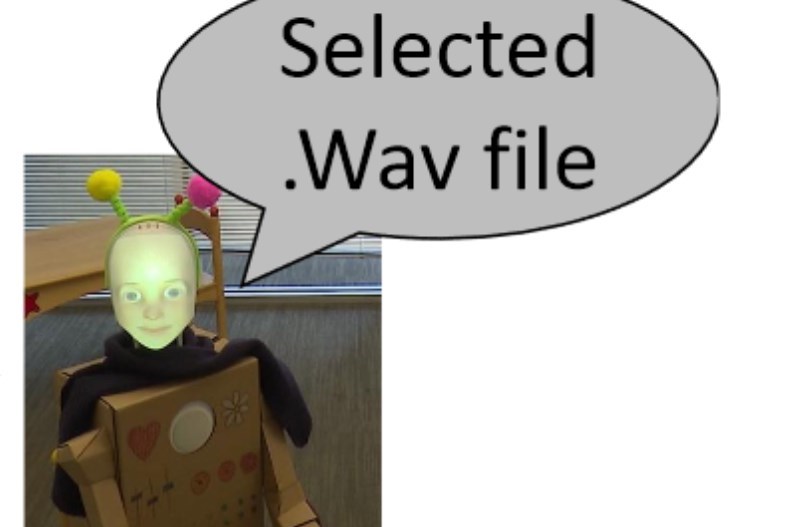
As technology advances, so does the complexity and capability of human-robot interactions. A fascinating frontier in this domain is being explored by Disney Research, where roboticists delve into how the subtle nuances of speech can dramatically influence engagement between children and robots. Imagine a robotic playmate that not only understands commands but also harmonizes its speech with its young companions. This is not the stuff of science fiction but rather an innovative research endeavor aiming to enrich our interactions with robotic entities.
The Power of Prosodic Synchrony
At the heart of this study lies the concept of “prosodic synchrony,” which refers to how well individuals align their verbal styles during conversations. Prior research indicates that when children play together and synchronize their speech patterns, they exhibit higher levels of engagement and success in their activities. This understanding prompted researchers to investigate whether a robot could mimic these prosodic traits to foster a more engaging environment for youngsters.
A Playground for Discovery
In a unique experimental setup, pairs of children were tasked with controlling a robotic character in a platforming game. The robot, equipped with a sophisticated listening system, analyzed aspects of the child’s speech, such as loudness, word length, and rhythm. By profiling these parameters, the robot could modify its vocal responses, selecting from a variety of pre-recorded audio snippets, which either matched or differed from the child’s speaking style.
Test Conditions and Results
- The children played several levels designed for both the synchronizing and non-synchronizing robot.
- The research found that children paired with the synchronizing robot exhibited greater engagement and achieved higher scores during gameplay.
- Interestingly, the positive effects of synchrony were particularly pronounced in older children, highlighting that this cooperative communication skill may develop with social experience.
Could This Change Our Future Interactions?
While the results might seem optimistic, there is a fascinating layer of complexity. The implications of these findings extend beyond just child-robot interaction. They pave the way for future domestic robots, toys, and virtual assistants that could alter their verbal tones and patterns based on user interaction. Imagine a scenario where your smart home assistant adapts its speech style based on who is speaking – a friendly, energetic tone for children and a more straightforward approach for adults.
Navigating the Uncanny Valley
The prospect of robots adopting human-like speech patterns sparks questions about the psychological impact on users. The “uncanny valley” refers to the discomfort elicited when robots appear eerily human but lack authenticity in emotional interaction. Could these carefully tailored vocal adaptations serve as a remedy, transforming our perception of robots from unsettling to approachable? By creating robots that resonate on a verbal level, developers may bridge the gap between human expectations and robotic capabilities.
Conclusion: A Glimpse into Tomorrow’s Playroom
The collaborative effort of Disney Research, Carnegie Mellon University, and the University of Texas at Dallas has opened up exciting avenues for enhancing robotic interactions. As we integrate studies like these into the fabric of artificial intelligence, we inch closer to an era where robotics is not merely a tool but a genuine companion in human lives. This research not only highlights the significance of vocal similarities in fostering connection but also emphasizes the vast potential for advancement in human-robot interaction. At **[fxis.ai](https://fxis.ai/edu)**, we believe that such advancements are crucial for the future of AI, as they enable more comprehensive and effective solutions. Our team is continually exploring new methodologies to push the envelope in artificial intelligence, ensuring that our clients benefit from the latest technological innovations. For more insights, updates, or to collaborate on AI development projects, stay connected with **[fxis.ai](https://fxis.ai/edu)**.