

Creating a todo app can be a rewarding project that showcases various functionalities and boosts your skills. In this blog, we’ll walk you through a Todo App Challenge described in a YouTube video, highlighting its features, technologies used, and how to run this exciting app.
Features of the Todo App
This Todo App is packed with essential features that enhance user experience:
- Task Module:
- Login & Sign-up
- Create Task
- Edit Task
- Delete Task
- Mark as Completed
- Assign Task (Only if the authenticated user has a team)
- Show assigned Tasks in Real-Time
- Team Module:
- Create Team
- Join Team (using a generated team code)
- User Team List
Technologies Used
This app is built using the following technologies:
How to Run the App
To get started with this Todo App, follow these simple steps:
bash
npm run dev
# or
yarn dev
Once the app is running, open http://localhost:3000 in your browser to see the result!
Visual Representation
Here are some screenshots showcasing the app:
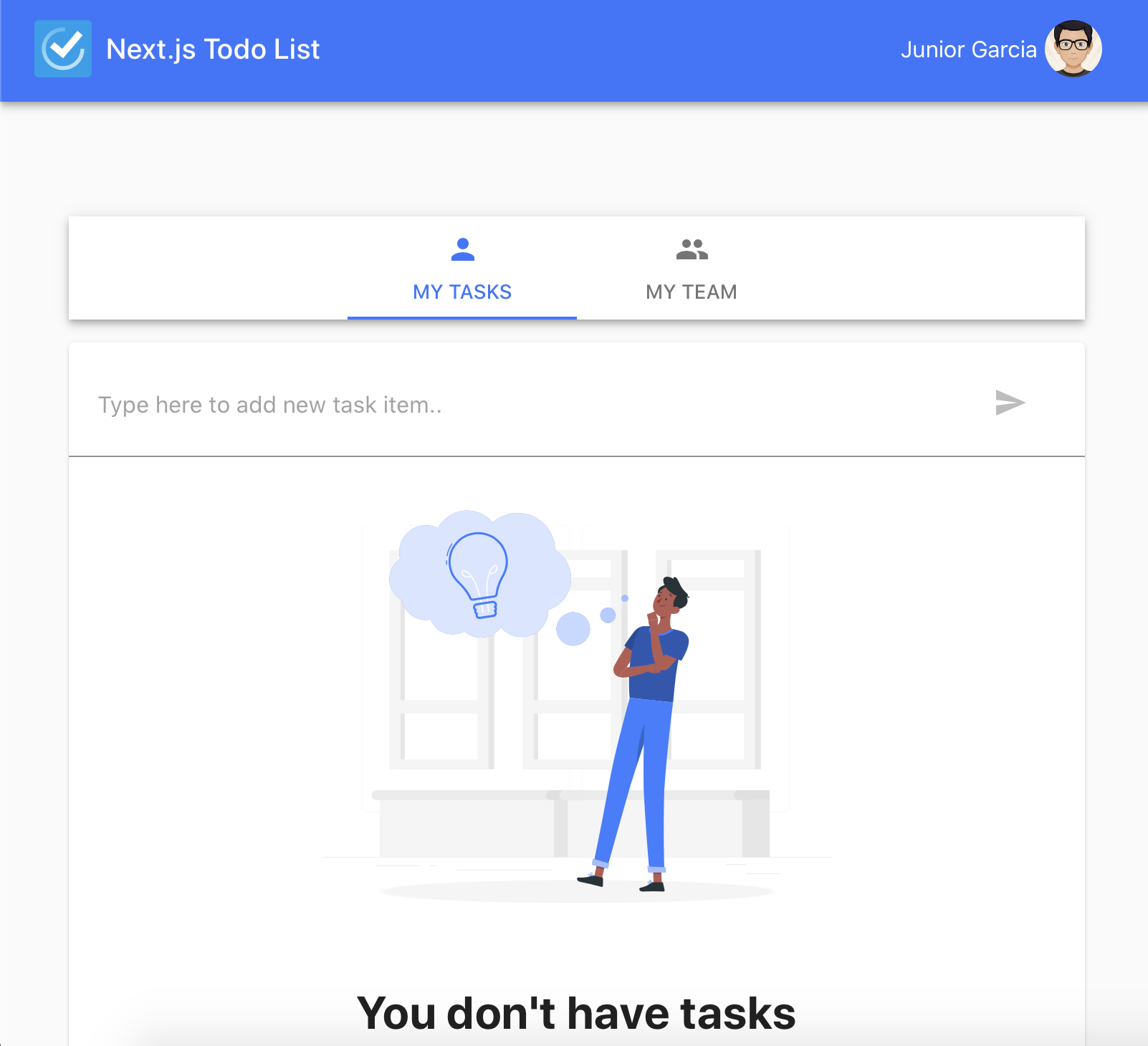
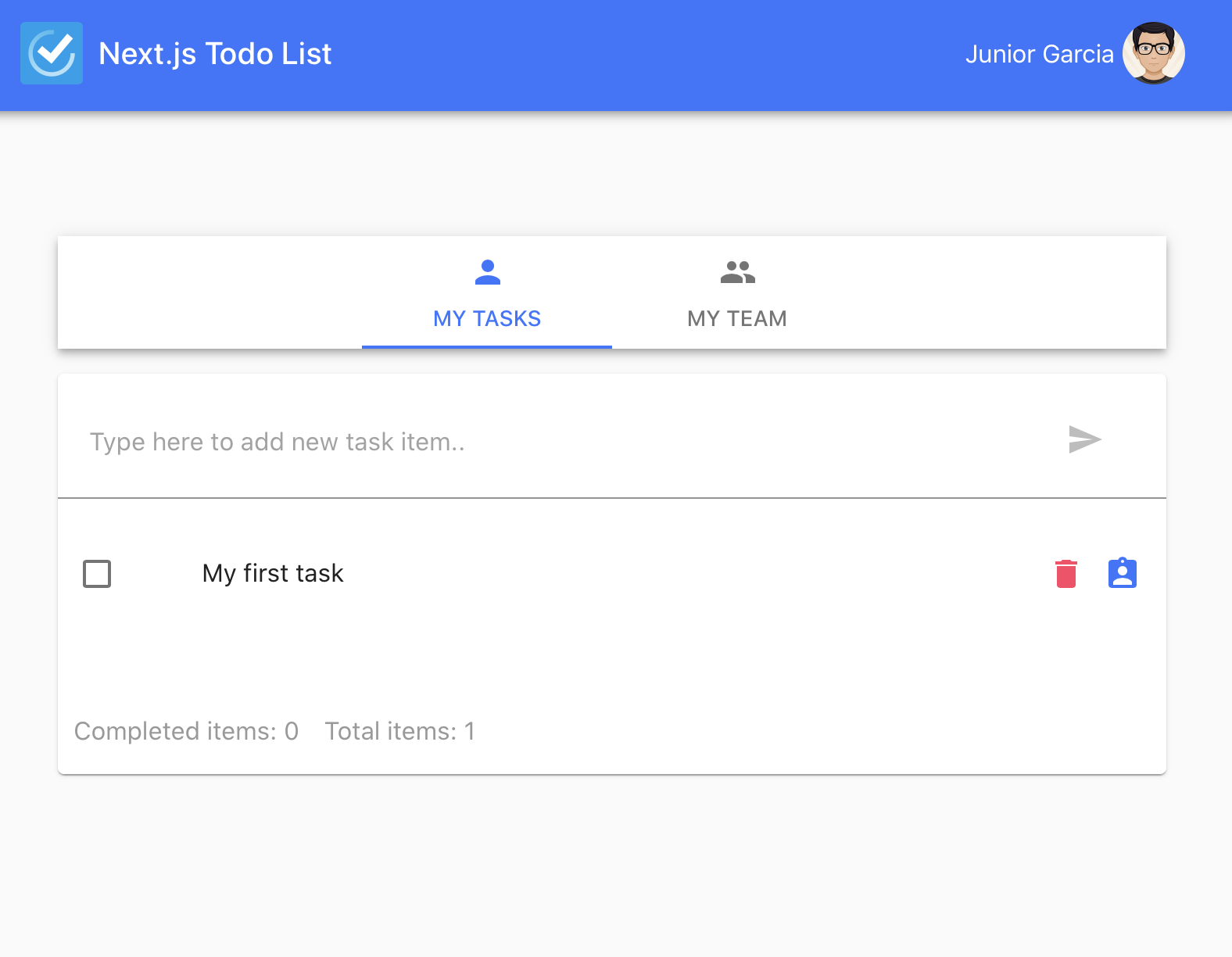
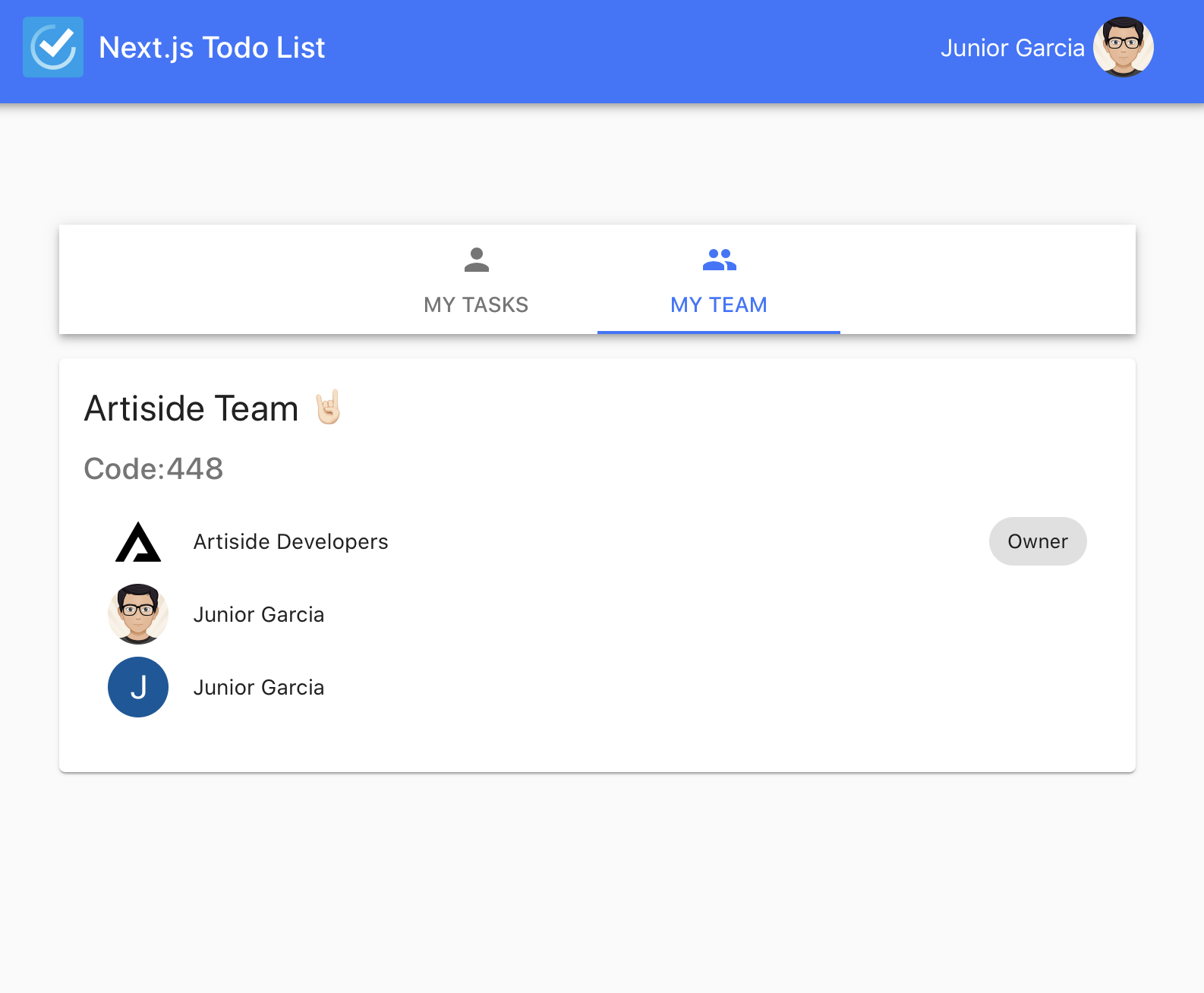
Understanding the Code: An Analogy
Think of the Todo app like organizing a big family picnic. Each feature acts as a different aspect of the picnic:
- Login & Sign-up: This is like sending out invitations for the picnic. Everyone needs to confirm their attendance before joining.
- Create Task: Once the picnic has been confirmed, creating tasks is akin to deciding who brings what – someone brings food, someone brings drinks, and so on.
- Edit & Delete Task: If someone can’t bring the food they volunteered for, they can either update their contribution or delete it altogether, ensuring everyone has what they need for a successful picnic.
- Assign Task: Just like delegating responsibilities at the picnic, you can assign specific tasks to team members – making sure no one is overwhelmed.
In this way, the Todo app efficiently keeps track of every task just like a well-organized family event!
Troubleshooting
If you encounter any issues while running the app, consider the following troubleshooting ideas:
- Ensure that Node.js and npm or Yarn are properly installed on your machine.
- Check that all required packages are correctly installed. Run
npm installoryarn installto install dependencies. - Make sure you’re running the app on the correct port. If port 3000 is occupied, try another port by modifying the script in your package.json.
- Look for any error messages in the console; those are clues that can lead you to a solution.
For more insights, updates, or to collaborate on AI development projects, stay connected with fxis.ai.
At fxis.ai, we believe that such advancements are crucial for the future of AI, as they enable more comprehensive and effective solutions. Our team is continually exploring new methodologies to push the envelope in artificial intelligence, ensuring that our clients benefit from the latest technological innovations.