
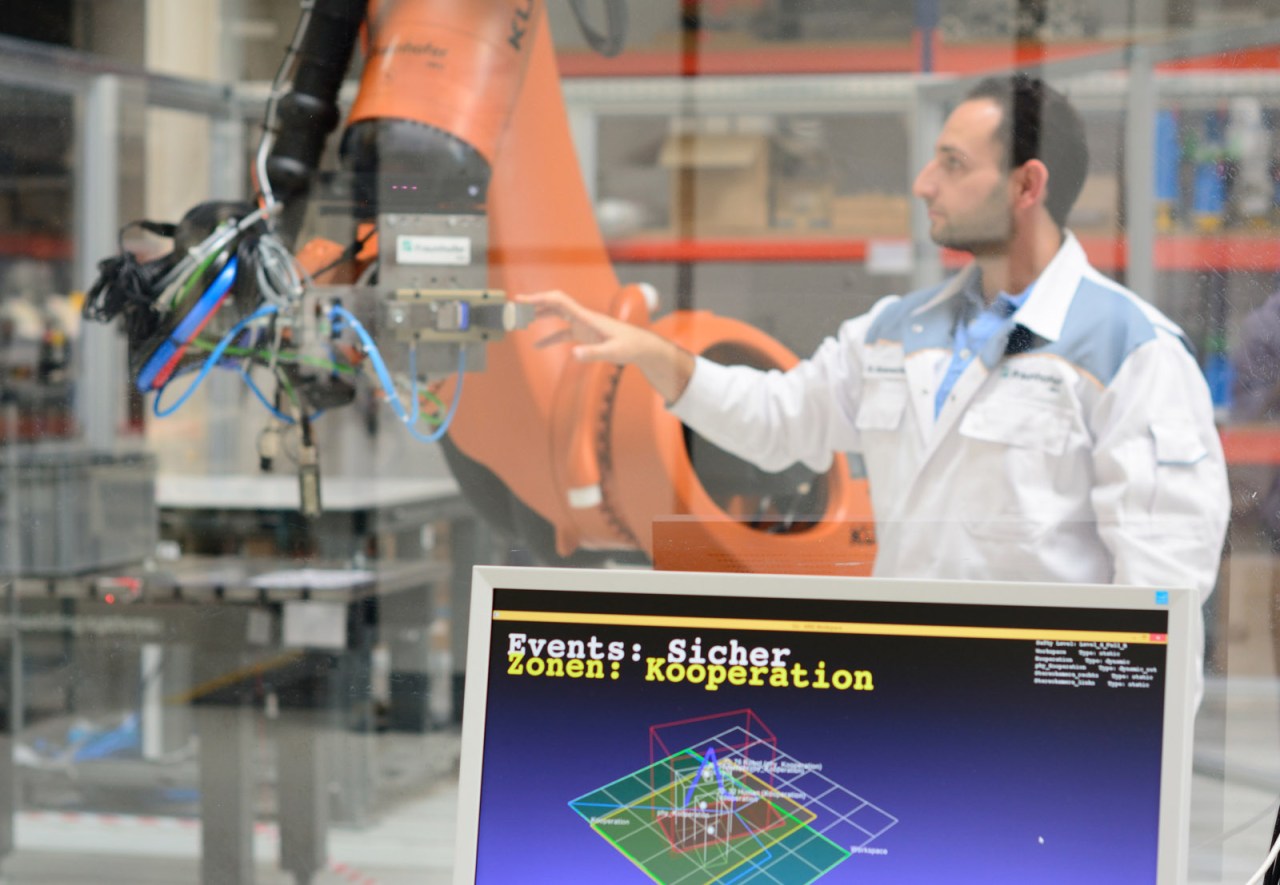
As our world leans increasingly toward automation, the intersection of humans and robots in industrial settings prompts a new frontier—one defined not just by safety boundaries but by collaborative engagement. The Fraunhofer Institute in Germany has proposed an innovatively nuanced approach to human-robot interaction, introducing the concept of a “friend zone” within the operational domains of robots, beyond mere safety standards. This new model, termed Kooperation Zonen, reimagines how humans and robots can coexist and collaborate effectively while ensuring safety and productivity.
The Three Zones of Interaction
In many industrial environments, the interaction between humans and robots has been largely restricted to two zones: a safe zone, where human presence keeps robots dormant, and an unsafe zone, where the risk of collision with these powerful machines escalates. However, in the dynamic landscape of modern industry, there is a compelling need for a third space, one that fosters communication and cooperation.
- Green Zone: In this zone, robots can operate at full speed, processing tasks efficiently without the risk of human interference. However, this assumes the area is devoid of human presence.
- Yellow Zone: Upon detecting a human entering the yellow zone, the robot adjusts its behavior. It continues to operate but at a reduced speed or through more delicate maneuvers, emphasizing precaution while allowing for productivity to persist.
- Red Zone: Should someone venture too close into the red zone, the robot halts all activity, acknowledging that the proximity could pose a danger. This zone signifies the critical boundary for both parties, ensuring that collaborative actions do not threaten safety.
Intelligent Interaction through Sensor Technology
What sets the cooperation zones apart is the use of advanced sensor technology and cameras which continuously track human presence around the robot. These sensors interpret the location of individuals and determine appropriate responses, dynamically altering the robot’s operational profile. Rather than stopping when a human is present, the robot intelligently adapts to prioritize safety while optimizing productivity. This seamless transition reflects a crucial paradigm shift in how robots perceive their environments and interact with people.
Future of Industrial Robots with Human Touch
The implications of this nuanced approach to human-robot interaction are profound. As more industries integrate robotic technology, having systems that not only promote productivity but foster healthy relationships between humans and robots enhances overall workplace efficiency. Mathias Putz, who oversees the research division at Fraunhofer, expressed optimism. “Our system is already fully functional and has been tested in the lab,” he confirmed, with plans to enable field applications within industry soon.
By embracing these cooperative zones, manufacturers can transform labor dynamics, reducing risks and enhancing the potential for workforce acceptance of robotic systems. This doesn’t signify a world where robots overshadow humans; rather, it augurs a collaborative landscape where humans and robots work to complement each other’s strengths.
Conclusion: Navigating Towards a Collaborative Future
As our reliance on robots continues to deepen in various sectors, creating collaborative frameworks where human safety and robot productivity balance harmoniously becomes imperative. The introduction of cooperation zones represents an essential step towards enabling robots to function not merely as tools but as intelligent allies in the workplace. The goal is to cultivate a productive workspace where interaction is enriched through understanding and safety.
At fxis.ai, we believe that such advancements are crucial for the future of AI, as they enable more comprehensive and effective solutions. Our team is continually exploring new methodologies to push the envelope in artificial intelligence, ensuring that our clients benefit from the latest technological innovations. For more insights, updates, or to collaborate on AI development projects, stay connected with fxis.ai.