
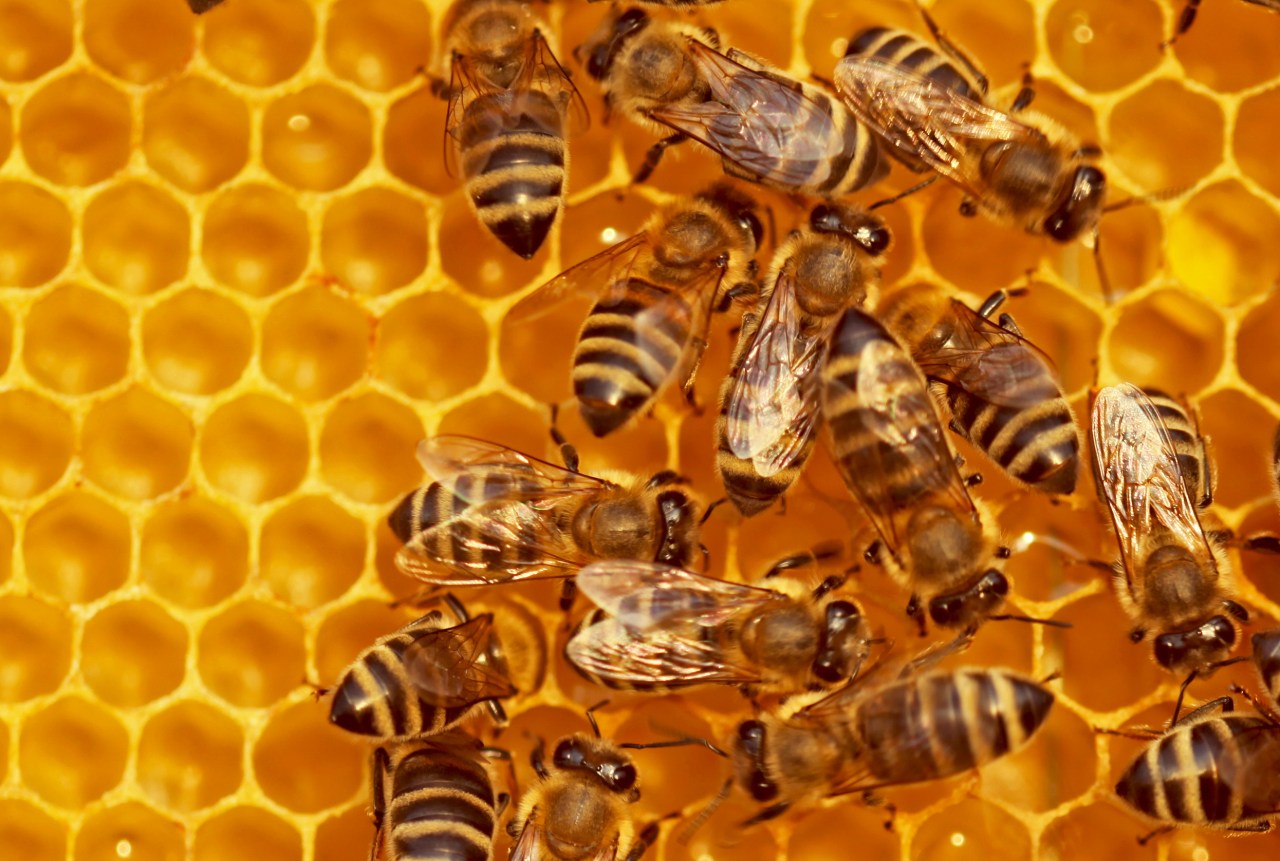
In a world where technology permeates almost every aspect of our lives, it’s fascinating to see how innovations in artificial intelligence, particularly machine learning, are extending their reach to environmental issues. One such pressing matter is the drastic decline in bee populations, attributed largely to parasites like the Varroa mite. Let’s explore how machine learning is stepping in to support both the bees and the dedicated beekeepers aiming to sustain healthy hives.
The Vanishing Bees: A Critical Concern
Bee populations are dwindling, largely due to threats such as the Varroa mite, an insidious parasite that feeds on honeybees and their larvae. Although the Varroa mite is minuscule—about a millimeter in size—its impact is colossal, contributing to the weakening of individual bees and leading to colony collapse. Sadly, these infestations often go unnoticed until it’s too late, making the need for effective monitoring solutions urgent.
Manual Inspections: A Challenging Task for Beekeepers
Traditionally, beekeepers would have to conduct labor-intensive inspections by manually sifting through debris beneath hives to look for these tiny invaders. This method is not only painstaking but also prone to human error—missing even a few mites can result in a severe infestation that could devastate an entire colony.
Machine Learning: The New Buzz in Beekeeping
Enter machine learning, which presents a groundbreaking approach to this long-standing problem. By utilizing its prowess in sifting through complex and noisy datasets, machine learning algorithms can rapidly identify minute targets—like the Varroa mite—within images. This process significantly reduces the time spent by beekeepers on manual inspections.
ApiZoom: Revolutionizing Hive Inspections
One of the most notable innovations in this space is the ApiZoom project, developed by students at the École Polytechnique Fédérale de Lausanne in Switzerland. By training a machine learning model on tens of thousands of images of Varroa mites, ApiZoom can now analyze a simple smartphone photo and identify potential infestations with an accuracy that rivals human inspections—boasting a success rate of around 90 percent.
- Intuitive Interface: Beekeepers simply take a picture of the hive debris and upload it to the ApiZoom platform for instant results.
- Data Collection: The model not only serves individual beekeepers but could also gather comprehensive data about mite infestations across regions, leading to insights into unusual patterns or mutations.
- Future Developments: With plans for both web and smartphone applications, ApiZoom aims to distribute its technology to beekeepers worldwide, ensuring a broad adoption of this invaluable tool.
A Collective Effort for a Sustainable Future
The potential of ApiZoom extends beyond individual hive monitoring. By capturing systemic data on Varroa mites, beekeepers can make informed decisions about infestation strategies, leading to coordinated efforts at national levels. The continued health of bee populations is vital, not just for honey production but for biodiversity and ecosystem health globally.
Conclusion: A Sweet Future with AI
As we stand on the brink of a technological revolution in beekeeping, it’s clear that machine learning offers a beacon of hope for both bees and their guardians. With tools like ApiZoom, the decline in bee populations could begin to reverse, reminding us that innovation can indeed be a sweet solution. At fxis.ai, we believe that such advancements are crucial for the future of AI, as they enable more comprehensive and effective solutions. Our team is continually exploring new methodologies to push the envelope in artificial intelligence, ensuring that our clients benefit from the latest technological innovations.
For more insights, updates, or to collaborate on AI development projects, stay connected with fxis.ai.