
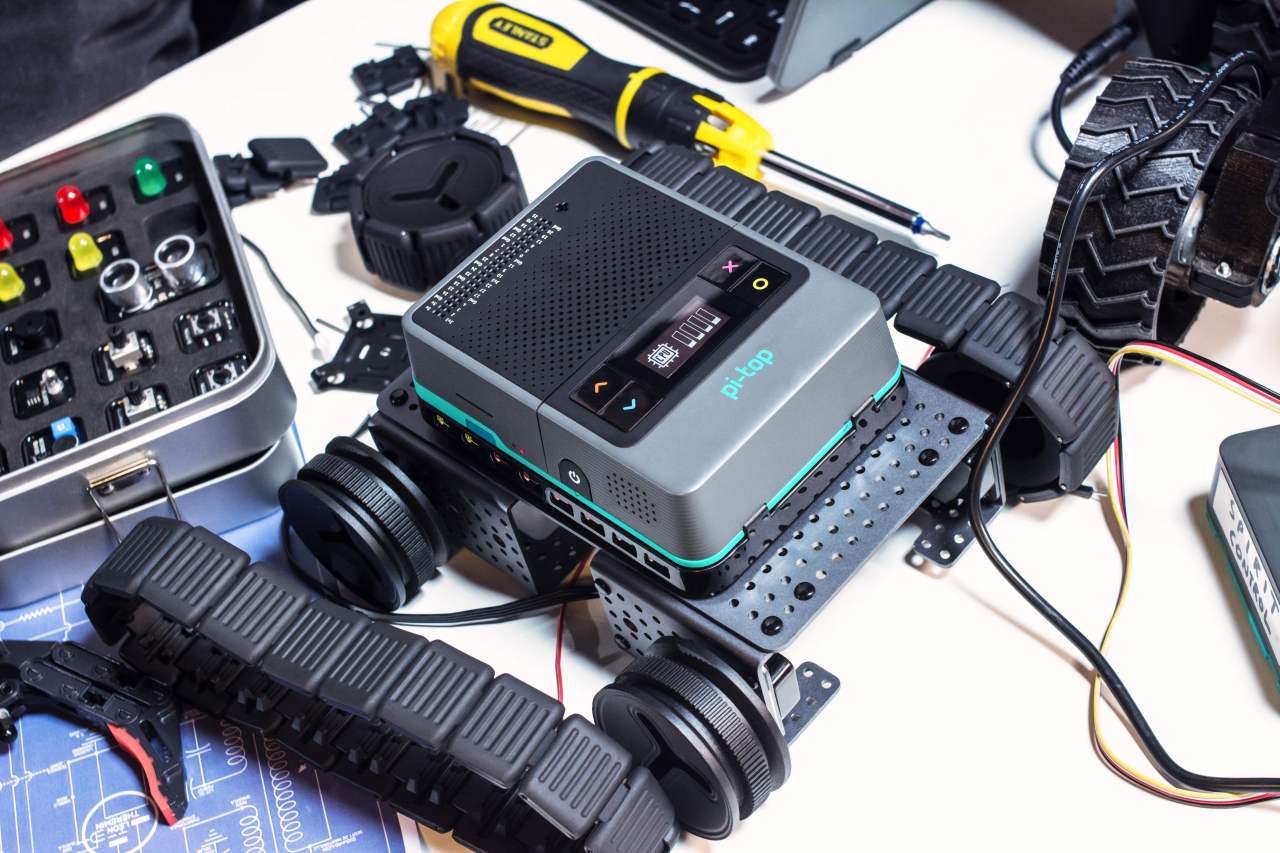
The ever-evolving world of educational technology (EdTech) holds great promise, but it can also be fraught with challenges. One such journey has been navigated by London-based startup pi-top, which has recently faced difficulties following the loss of a major contract. As pi-top repositions itself in the market, this serves as a poignant reminder of the volatility within the sector, shedding light on the importance of adaptability in a rapidly changing technological environment.
Understanding the Context
Founded with the mission to make coding and technical education accessible through project-based learning, pi-top found success by merging innovative hardware and software solutions. This combination aimed to inspire creativity in young minds, thereby preparing future generations for a tech-driven marketplace. However, despite a promising trajectory over the last 4.5 years, recent developments have forced the company to reconsider its workforce, reducing its headcount from 72 to 60.
The Impact of Contract Losses
One of the most significant blows to pi-top was the loss of a substantial education contract. The bid was part of a larger strategy aimed at expanding operations in developing nations, based on a prior success in the same region. Unfortunately, economic factors in the area hampered progress, leading to a disappointing turn of events. This outcome highlights a key lesson for startups: reliance on singular contracts can pose risks, especially when external circumstances are beyond their control.
Seeking New Horizons
Although pi-top’s situation reflects setbacks, it also underscores the essence of resilience. The company has shifted its focus primarily to the U.S. market, where it continues to enjoy success. This pivot is not merely reactive; rather, it is strategic. The launch of the new learning platform, pi-top Further, aims to provide schools worldwide with enhanced access to hands-on project-based learning.
Innovation Amid Challenges
- Successful Kickstarter Campaign: In a bold move, pi-top opted for crowdfunding to support the launch of pi-top 4, raising nearly $200,000 from 521 backers. This indicates a community of support and belief in pi-top’s mission.
- Leadership Changes: With the appointment of Stanley Buchesky as Executive Chairman, pi-top hopes to leverage his ed-tech expertise to spearhead their future strategy effectively.
- Product Evolution: The pi-top 4 marks a shift from traditional educational computing toward more modular and embeddable resources catering to robotics and electronics, which broadens the scope of learning opportunities available to students.
The Broader Implications for EdTech Startups
pi-top’s experiences serve as a cautionary tale for other edtech startups navigating a competitive landscape. Here are essential considerations for emerging players:
- Diversification: Relying on a single contract can be dangerous; diversified revenue streams can provide more stability.
- Adequate Market Research: Understanding market needs and trends is essential for developing relevant products and strategies.
- Community Engagement: Engaging with users through crowdfunding platforms not only raises funds but also builds a robust support network.
Conclusion: Navigating the Future
As pi-top continues to navigate these emerging challenges, its story serves as a reminder of the need for agility in strategy and execution within the rapidly advancing EdTech sector. The journey is certainly fraught with hurdles, but the ability to pivot and innovate will ultimately dictate success. At fxis.ai, we believe that such advancements are crucial for the future of AI, as they enable more comprehensive and effective solutions. Our team is continually exploring new methodologies to push the envelope in artificial intelligence, ensuring that our clients benefit from the latest technological innovations.
For more insights, updates, or to collaborate on AI development projects, stay connected with fxis.ai.