
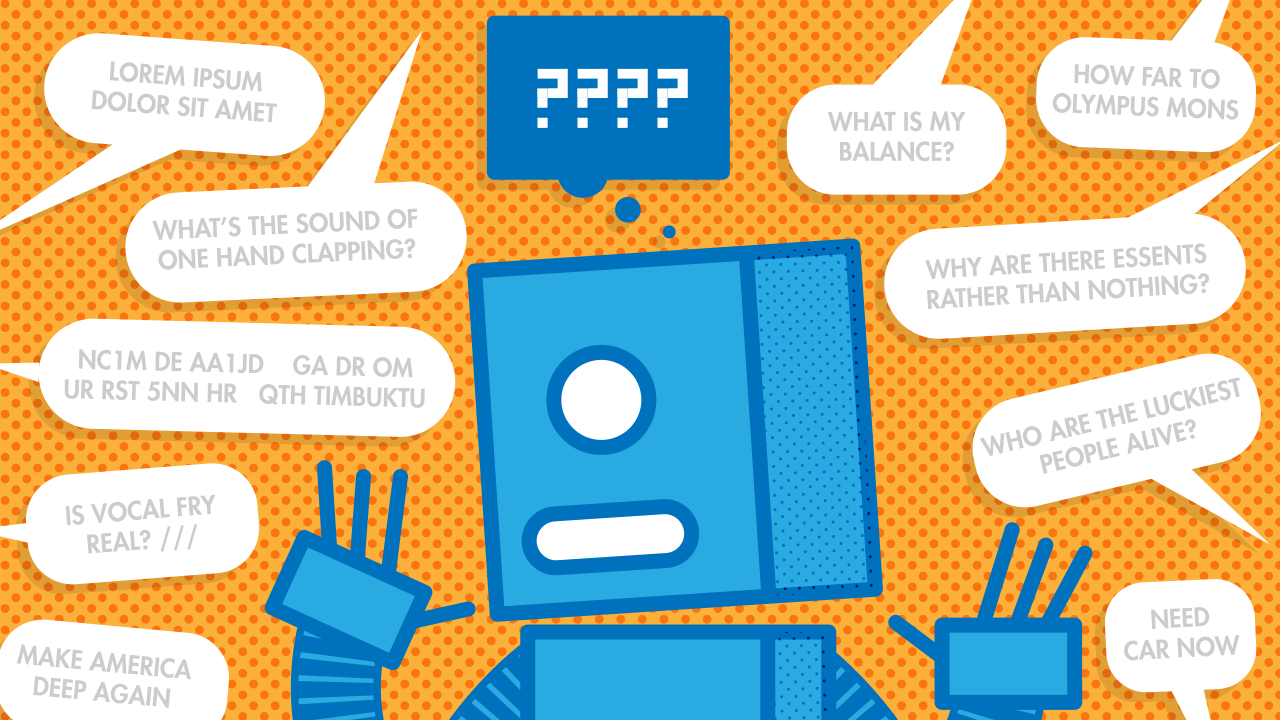
As computers evolve, so too does our relationship with them. Historically, communicating with machines felt like wrestling with a stubborn partner who only spoke in cryptic languages or binary codes. Fast forward to today, we find ourselves on the brink of a revolution wherein natural language processing (NLP) allows us to engage with our devices more fluidly than ever before. Despite these advancements, we still face challenges that demand fresh perspectives on how we connect with technology. Let’s embark on an exploration of cognitive correction and its impact on human-machine interaction.
Understanding the Evolution of Communication
In the early days of computing, programmers were tasked with mastering the language of the machine—binary. Over time, advancements led to more approachable interfaces: from command lines to graphical user interfaces, and now to conversational interfaces driven by NLP. This progressive journey is akin to humanity’s evolution in sharing ideas. Just as early humans communicated in rudimentary sounds and gestures, we have worked tirelessly to bridge the gap between our cognitive processes and the machines we create.
The Challenge of Cognitive Ergonomics
At the heart of this interaction lies the principle of cognitive ergonomics. This design philosophy asserts that technology should adapt to our natural ways of communicating, instead of forcing us to adjust our behaviors. The goal is to create systems that feel intuitive, enabling a seamless flow of dialogue that mirrors human conversation.
- Adapting to Natural Language: Dialogue with digital assistants must emulate human-like conversations, transcending simplistic command prompts.
- Embracing Informal Dialects: Online communication has given rise to new dialects—exceptions to grammatical norms that challenge traditional NLP tools.
- Moving Beyond Linear Interaction: Real conversations often involve back-and-forth exchanges, where users might digress or pose unexpected questions.
Deciphering Textual Dialects
Take, for example, the prevalence of “textspeak” in modern messaging. Just as Morse code operators devised their shorthand for efficiency, contemporary texters simplify language with acronyms and modified spellings. Estimates suggest that nearly 15% of words in text messages and tweets may be absent from traditional dictionaries, posing a unique dilemma for automated systems designed to engage in natural dialogue.
An intriguing insight arises: rather than simply expanding the dictionary to include abbreviations, we must also incorporate an understanding of these linguistic shifts. A study showed that millennials typically employ five shortened spellings per text. Therefore, it is vital for NLP systems to account for the systematic nature of these alterations, which could enable better comprehension through the mechanisms of natural language understanding (NLU).
The Necessity for Flexibility in Dialogue Systems
One of the most significant challenges faced in creating effective dialogue systems is the non-linear progression of conversations. When users ask questions, they often expect to receive direct answers, but dialogue can also shift direction quickly. For instance, if a user inquires, “What is my balance?”, the system must recognize whether they are seeking information from a particular account or simply asking for a general overview.
This necessitates a system that not only responds to inquiries but also adapts to user-driven narrative shifts. Embracing such flexible dialogue structures is crucial in providing a user-centric experience where machines bend to our conversational needs.
Conclusion: The Future of Human-Machine Interaction
The journey towards enhanced human-machine interaction is undoubtedly complex, filled with linguistic peculiarities and cognitive challenges. Yet, the promise of technology lies in our ability to adapt and innovate continuously, as evidenced by the ongoing advancements in NLP and user interface design. By emphasizing cognitive correction and embracing the fluidity of human conversation, we can create systems that feel more natural and engaging. Bridging this communication gap will bring us one step closer to a future where technology effectively enhances our lives.
At fxis.ai, we believe that such advancements are crucial for the future of AI, as they enable more comprehensive and effective solutions. Our team is continually exploring new methodologies to push the envelope in artificial intelligence, ensuring that our clients benefit from the latest technological innovations. For more insights, updates, or to collaborate on AI development projects, stay connected with fxis.ai.