
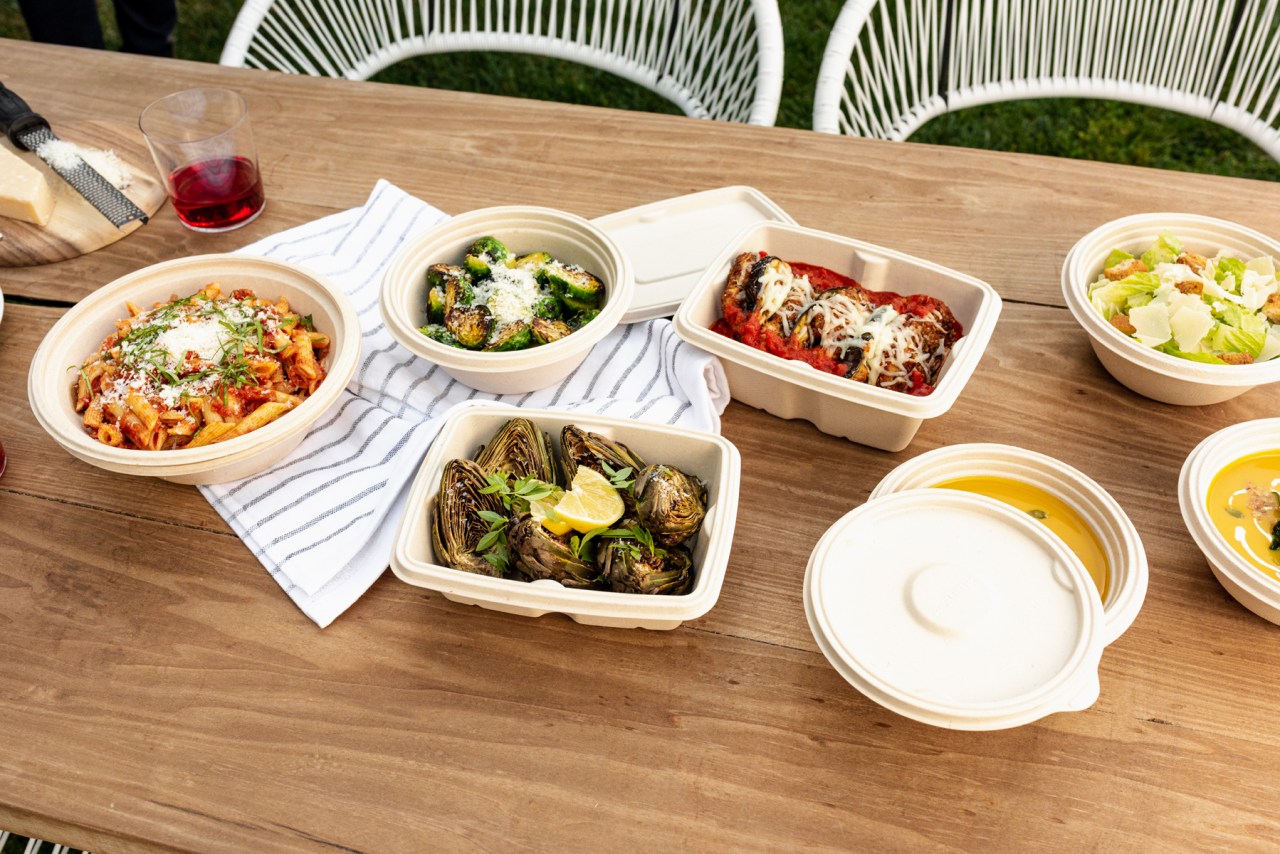
The environmental crisis brought on by plastic pollution has reached alarming levels, with predictions that by 2050, the oceans will harbor more plastic than fish. Amid this pressing challenge, Zume, a company known for its innovative approach to sustainability, is making significant strides by deploying a fleet of robots in collaboration with ABB. Originally starting as a pizza-making company, Zume’s transformation exemplifies a powerful pivot towards creating plant-based alternatives to conventional plastics.
A Shift Towards Sustainability
Zume’s journey from robotic pizza creation to eco-conscious packaging solution exemplifies the adaptability of startups in the face of global challenges. With its recent partnership with ABB, the company aims to revolutionize the sustainable packaging industry by establishing over 1,000 robotic production cells globally within the next five years. These cells will reportedly include up to 2,000 advanced robots working tirelessly to create biodegradable packaging, thereby reducing the world’s reliance on single-use plastics.
ABB’s Role in Pioneering Change
ABB, well-known for its cutting-edge automation solutions, is a perfect ally in Zume’s quest for sustainability. Sami Atiya, president of ABB Robotics Discrete Automation, emphasized that “automating production of Zume’s sustainable packaging makes this a viable and economic alternative to single-use plastics.” By reducing energy consumption and emissions during production, this collaboration represents a monumental shift in how we can produce and consume goods sustainably.
- Efficiency in Production: The integration of robots in manufacturing not only boosts productivity but also ensures that waste is minimized, and energy consumption is kept low.
- Partnership with Satia Industries: A pilot project installed in India signifies a leap forward, utilizing wheat straw to produce 100% compostable packaging.
- Global Impact: With the potential to divert trillions of plastic items from landfills and reduce carbon footprints, the impact of this initiative is far-reaching.
Addressing the Plastic Problem
The global usage of plastics is under increasing scrutiny, particularly single-use plastics, as highlighted by the UN Environment Program. Statistically, around 60% of plastics manufactured since the 1950s have ended up in landfills or the natural environment. With traditional recycling processes often proving inadequate or economically unviable, Zume’s initiative to start using compostable, plant-based materials stands as a practical and meaningful solution.
A Collective Vision for a Sustainable Future
As more companies join the movement towards sustainability, Zume and ABB’s collaboration showcases the innovation possible when like-minded organizations unite for a common goal. Their partnership signifies not only the financial viability of sustainable alternatives but also the cultural shift necessary to prioritize ecological well-being over convenience. Dr. Ajay Satia from Satia Industries stated this collaboration allows them to exceed client expectations while supporting better environmental practices—an encouraging reflection of how adaptable industries can become through partnerships targeting sustainability.
Conclusion: Embracing Change for Mother Earth
The fight against plastic pollution is one that requires collective action and innovation. Zume’s partnership with ABB signifies not just a technological advancement but a commitment to fostering a sustainable future that benefits both businesses and our planet. As we observe the ongoing transformation in manufacturing norms driven by technology and eco-consciousness, it’s clear that the tide is turning against plastics.
At [fxis.ai](https://fxis.ai/edu), we believe that such advancements are crucial for the future of AI, as they enable more comprehensive and effective solutions. Our team is continually exploring new methodologies to push the envelope in artificial intelligence, ensuring that our clients benefit from the latest technological innovations.
For more insights, updates, or to collaborate on AI development projects, stay connected with [fxis.ai](https://fxis.ai/edu).