
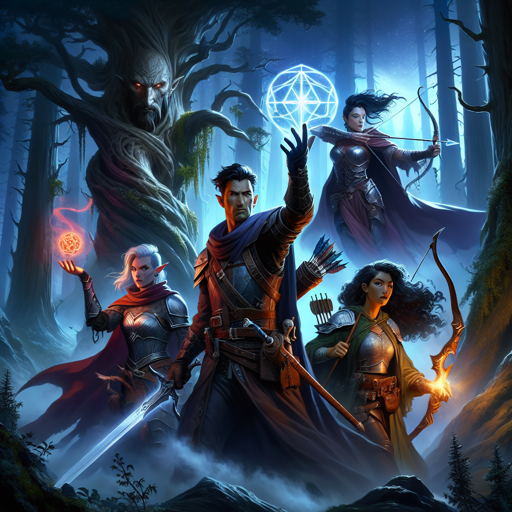
If you’re a fan of Dungeons & Dragons and looking to create mesmerizing cover art, you’ve come to the right place! Using the dndcoverart-v1 Dreambooth model, trained by abesmon, allows you to generate beautiful images tailored for your D&D adventures. In this guide, we’ll walk you through how to create your own cover art utilizing Hugging Face’s technology. Let’s dive in!
Step-by-Step Guide to Generate DnD Cover Art
- Access the Dreambooth Model: First, you’ll want to visit the Hugging Face Dreambooth Training Space. Here, you will find the dndcoverart-v1 model prepped and ready for you.
- Run Your Concept: Launch the model using the Colab Notebook for Inference. This notebook is designed to assist in easily generating your cover art.
- Input Your Prompts: Don’t forget to use the concept prompts, such as “dndcoverart.” This will ensure that the AI understands what creative direction you wish to go in.
- Generate Your Artwork: After everything is set, you simply run the inference. Sit back and let the AI work its magic!
- Review Your Creations: Once generated, check out the stunning array of images presented to you to find the one that embodies your vision for your D&D campaign.
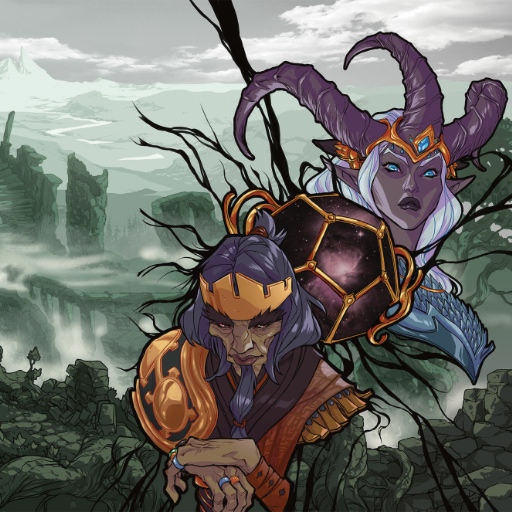
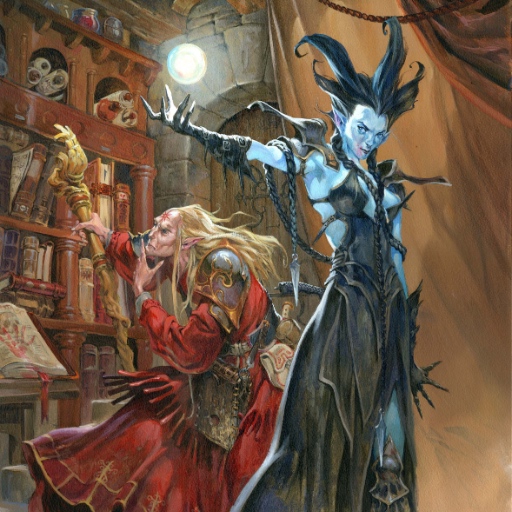
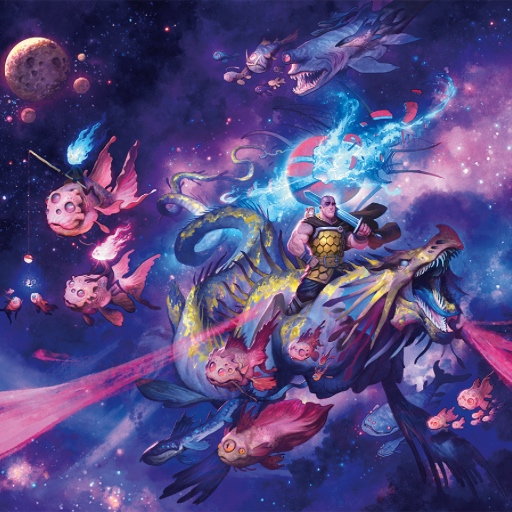
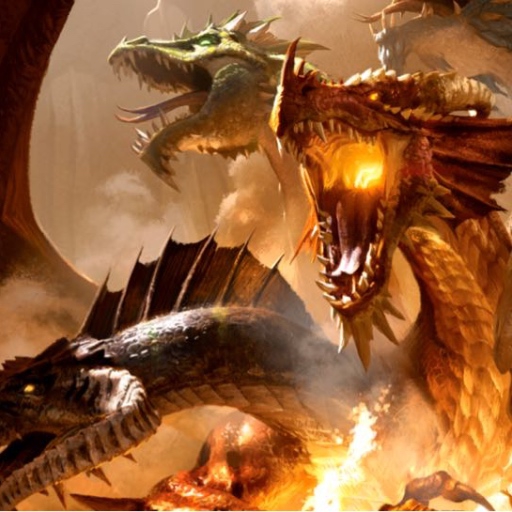
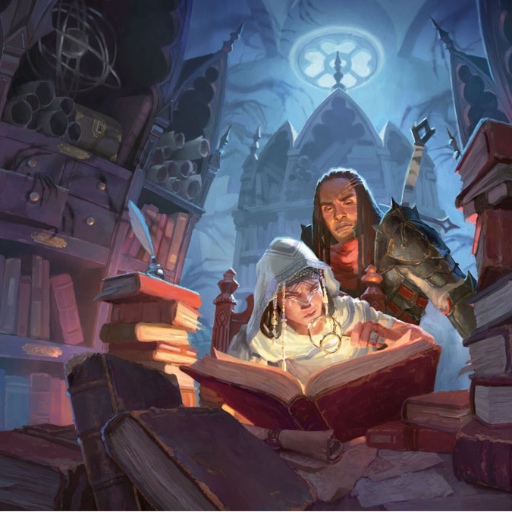
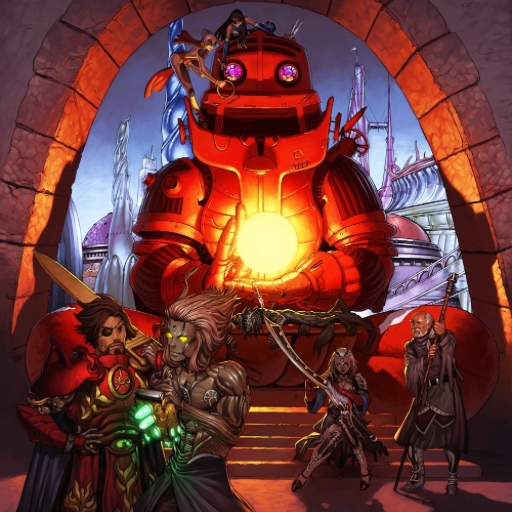
Sample Images Created Using dndcoverart
To give you an idea of the creative possibilities, here are some sample images generated with the dndcoverart model:
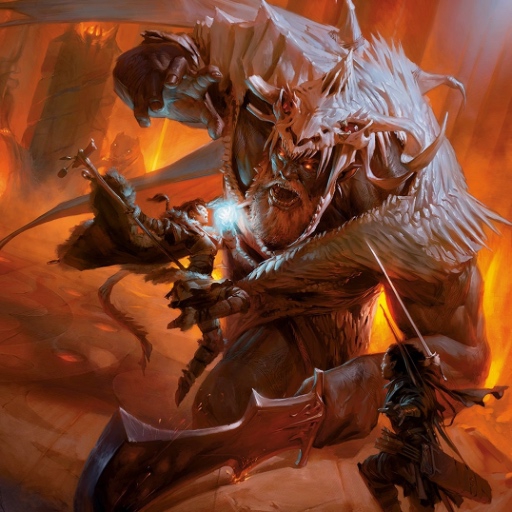
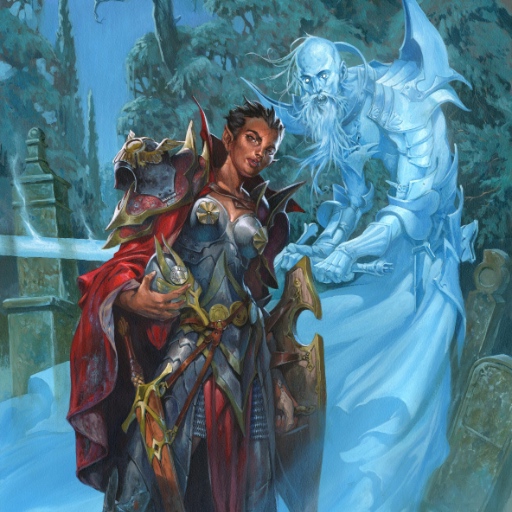
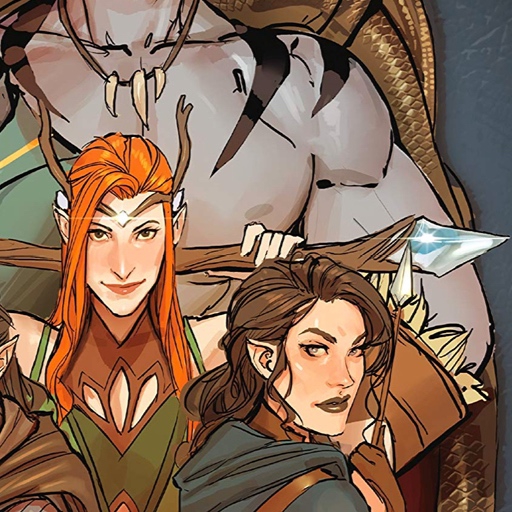
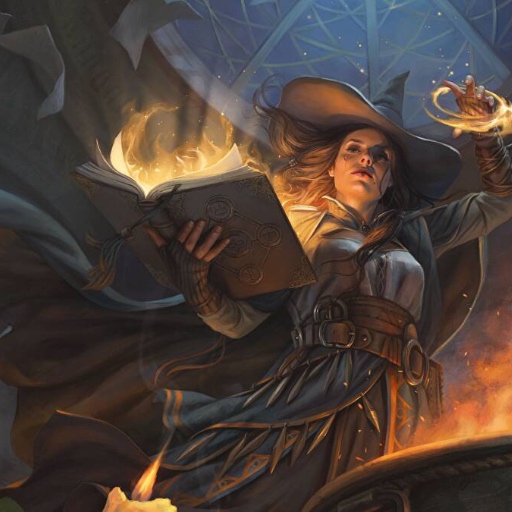
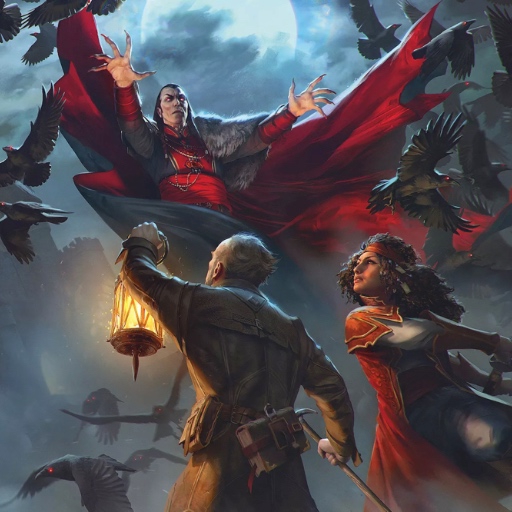
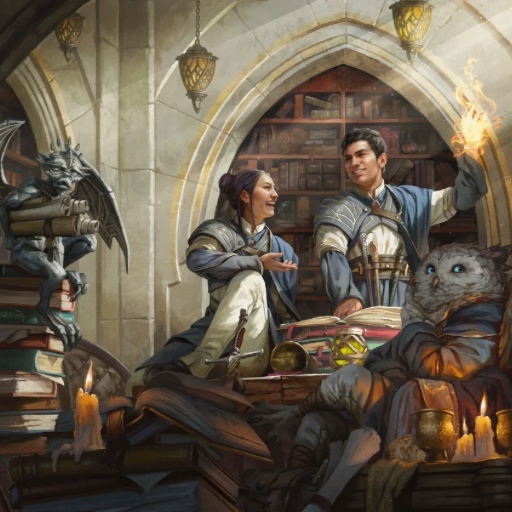
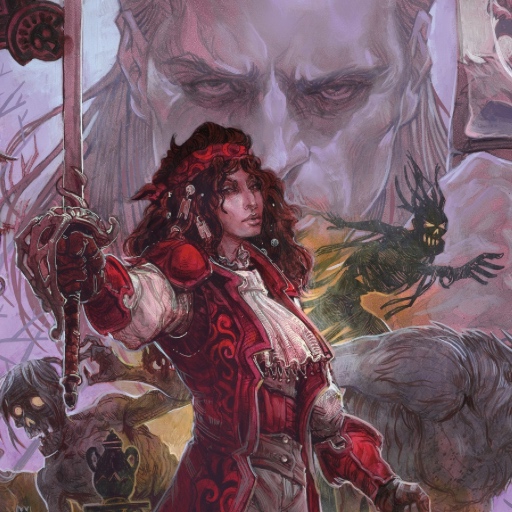
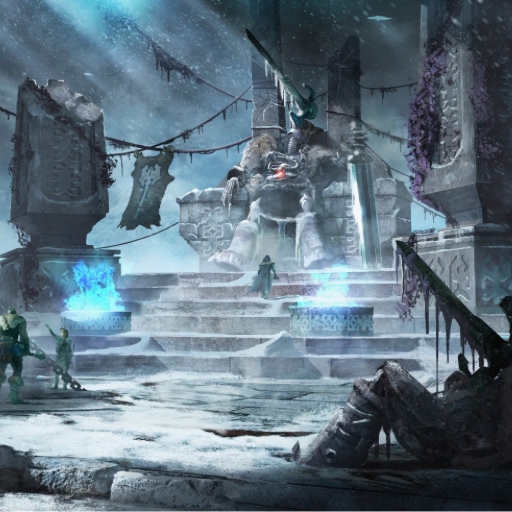
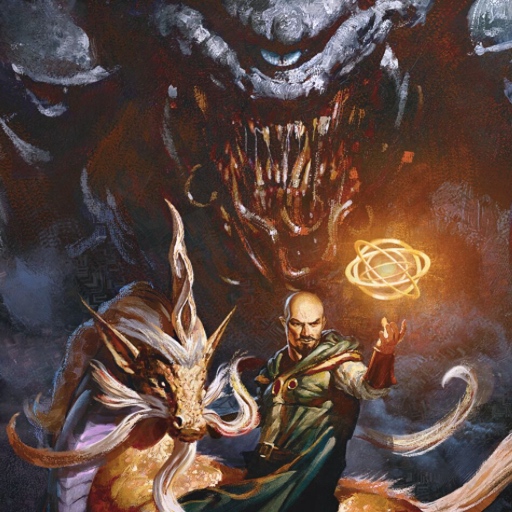
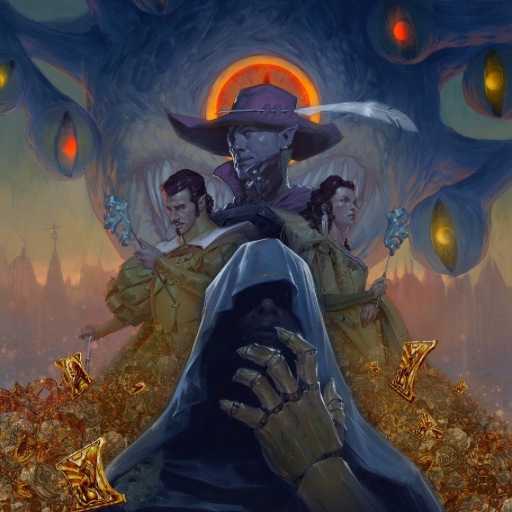
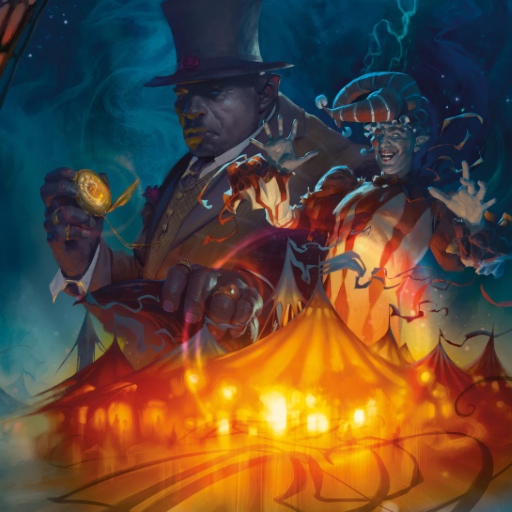
Understanding the Process: An Analogy
Think of generating D&D cover art with the dndcoverart-v1 model like baking a cake. First, you gather your ingredients (the inputs and prompts). Then, you choose a recipe (the model in Hugging Face) which dictates how everything comes together. You place your mixture in the oven (launching the inference), and as time goes by, you’ll have a beautifully baked cake (your stunning cover art) ready to be decorated and showcased!
Troubleshooting Tips
As is the case with any creative endeavor, you may encounter challenges along the way. Here are a few tips to help you troubleshoot common issues:
- Images Not Generating: Ensure you have correctly input your prompts and that your system has the necessary resources to run the model.
- Quality Issues: If the generated images do not meet your expectations, try modifying your prompts for clarity or specificity.
- Feedback on Creation: If you’re unsure about the creative output, sharing with friends or community members for feedback can be incredibly helpful.
For more insights, updates, or to collaborate on AI development projects, stay connected with fxis.ai.
In Closing
At fxis.ai, we believe that such advancements are crucial for the future of AI, as they enable more comprehensive and effective solutions. Our team is continually exploring new methodologies to push the envelope in artificial intelligence, ensuring that our clients benefit from the latest technological innovations.