
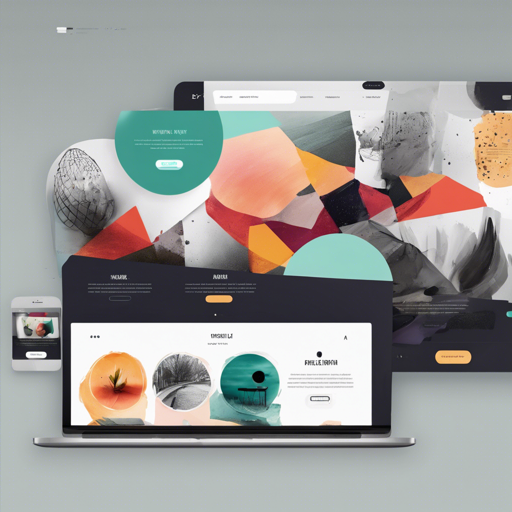
In the world of technology, your portfolio is not just a showcase of your work; it’s a bridge that connects potential clients and employers with your skills and personality. Building a portfolio website using HTML5, CSS3, JavaScript, and jQuery is a fantastic way to demonstrate your ability and creativity. In this article, we’ll explore how to create a visually stunning and user-friendly portfolio website.
Why These Technologies?
HTML5, CSS3, JavaScript, and jQuery are the foundational pillars of web development. Think of this combination as a foundation, walls, and decor of a house. HTML5 provides the structure (the foundation), CSS3 is like the wall paint that makes it visually appealing, and JavaScript along with jQuery adds the interactive elements, bringing your portfolio to life.
Getting Started
Before diving into coding, it’s essential to understand the tech stack you’ll be using:
- HTML5 – Structure of your website
- CSS3 – Styling your website
- JavaScript – Making the website interactive
Additionally, utilizing extras like Particle.js, Typed.js, Tilt.js, Scroll Reveal, Tawk.to, Font Awesome, and JSON can enhance the functionality and aesthetics of your portfolio.
Visualizing the Code
Imagine constructing a portfolio website as building a beautiful garden. Each coding language contributes a unique element to this garden:
- HTML5 is the garden bed, defining where everything will go.
- CSS3 is the flower selection, adding colors and styles that attract visitors.
- JavaScript is the gardener, ensuring everything grows well with interactivity and animation.
- jQuery acts as a set of handy tools, making it easier to manage and enhance the activities in your garden.
Displaying Your Masterpiece
To see your hard work in action, here’s a sneak peek of the main page of your portfolio:


Contact Me
If potential clients or employers wish to reach out, it’s crucial to provide contact options. You can include links to your social media handles:
Troubleshooting Tips
While building your portfolio, you may encounter some challenges. Here are some troubleshooting ideas:
- If your website doesn’t display correctly, check for missing HTML or CSS files.
- In case interactive elements aren’t functioning, ensure that you have included jQuery inside your HTML file.
- If you have styling issues, inspect elements using developer tools in your browser to identify conflicting CSS rules.
For more insights, updates, or to collaborate on AI development projects, stay connected with fxis.ai.
Conclusion
At fxis.ai, we believe that such advancements are crucial for the future of AI, as they enable more comprehensive and effective solutions. Our team is continually exploring new methodologies to push the envelope in artificial intelligence, ensuring that our clients benefit from the latest technological innovations.
Now, armed with this guide, you’re all set to create a stunning portfolio website that represents your skills and personality! Happy coding!