
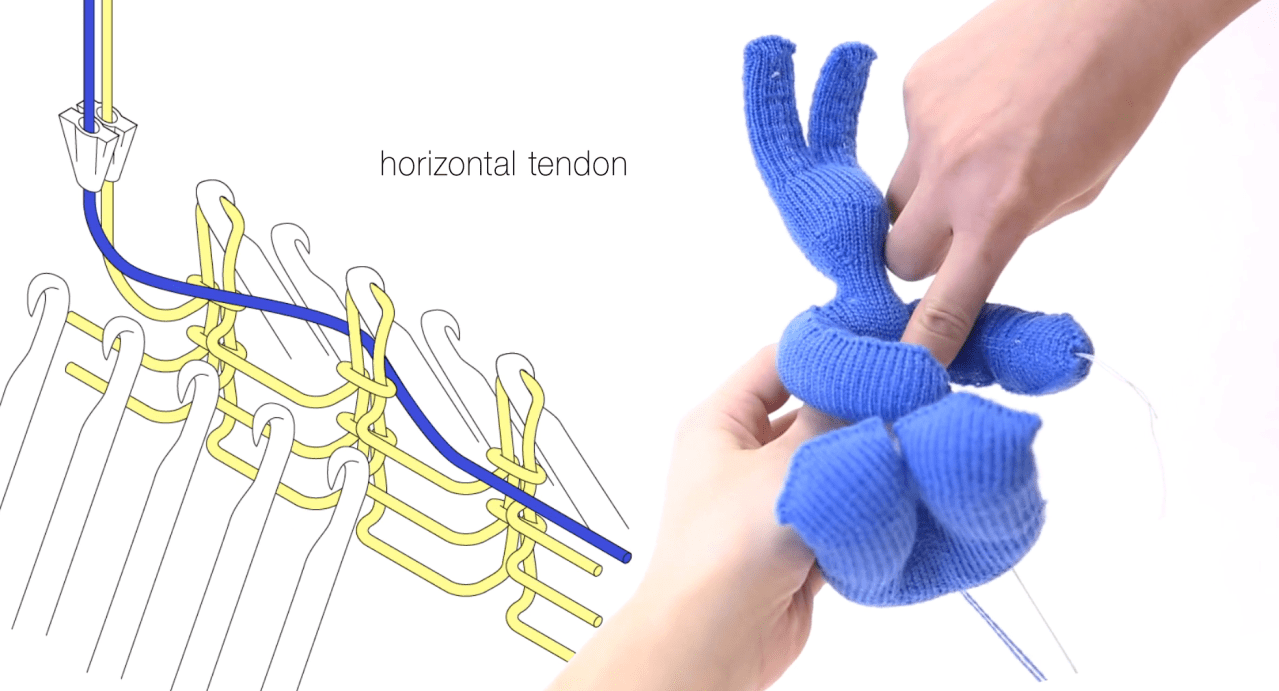
In an age where robotics often evokes images of cold, metal machines performing repetitive tasks, it’s refreshing to see innovation that’s softer, kinder, and downright huggable. Researchers at Carnegie Mellon University (CMU) are stepping into this cozy realm, utilizing knitting machines to craft soft robots that not only aim to make technology more approachable but also pave the way for significant advancements in soft robotics.
The Intersection of Craft and Technology
Knitting, traditionally associated with home crafts and clothing, is finding a place in the high-tech field of robotics. This fascinating interdisciplinary approach highlights how artisanal techniques can harmoniously combine with advanced technology. By creating soft robots through knitting, CMU’s researchers are effectively transforming mundane materials into interactive, responsive objects that challenge our perceptions of automation and functionality.
Knitting a New Fabric of Robotics
Unlike conventional robots, the designs emerging from this project blend creativity and innovation, focusing on lower costs and enhanced safety. The CMU team is developing an automated process that incorporates tendons, connecting them to rigid motors in order to allow for motion. This leads to whimsical inventions like stuffed figures that can respond to touch, or sweaters with autonomously moving sleeves. These interactive designs not only aim to entertain but also revolutionize how we think of wearables and the potential they hold.
Examples of Soft Robotics in Action
- Responsive Stuffed Animals: Imagine a stuffed toy that reacts when squeezed, offering comfort and interaction.
- Interactive Garments: A sweater that taps your shoulder, serving as a stylish reminder of a message or notification.
- Smart Furniture: Chairs that adjust their form based on your posture, ensuring optimal comfort.
- Self-Opening Backpacks: A backpack that opens automatically when you approach, making accessibility seamless.
Innovative Materials and Thoughtful Design
The design process takes advantage of common materials to achieve impressive feats. Options for the tendons include polyester-wrapped quilting thread, pure silk yarn, and nylon monofilament. Additionally, conductive yarns are being explored, which could significantly enhance the robots’ capability to gauge their movements and interactions. Through these materials, CMU researchers aim to stretch the boundaries of what’s possible with soft robotics, making technology not just functional but intimately connected to our everyday experiences.
The Future of Interactive Soft Robots
As CMU PhD student Lea Albaugh notes, the adaptability of this technology opens doors to interactive experiences that feel personal. “We have so many soft objects in our lives, and many of them could be made interactive with this technology,” she articulates. With ongoing research, garments and everyday objects can evolve into personal information systems, enhancing our interaction with the environment in heartwarming ways.
Conclusion: Embracing a Softer Future
The journey towards soft robotics is not only about advancing technology but also about rethinking human-robot interactions. By utilizing familiar techniques such as knitting, Carnegie Mellon University is pioneering a new wave of robotics that invites users to engage in delightful, intuitive ways. Such advancements may eventually lead us to a world where our clothing, furniture, and everyday objects participate actively in our lives, making technology an asset rather than an obstacle.
At fxis.ai, we believe that such advancements are crucial for the future of AI, as they enable more comprehensive and effective solutions. Our team is continually exploring new methodologies to push the envelope in artificial intelligence, ensuring that our clients benefit from the latest technological innovations. For more insights, updates, or to collaborate on AI development projects, stay connected with fxis.ai.