
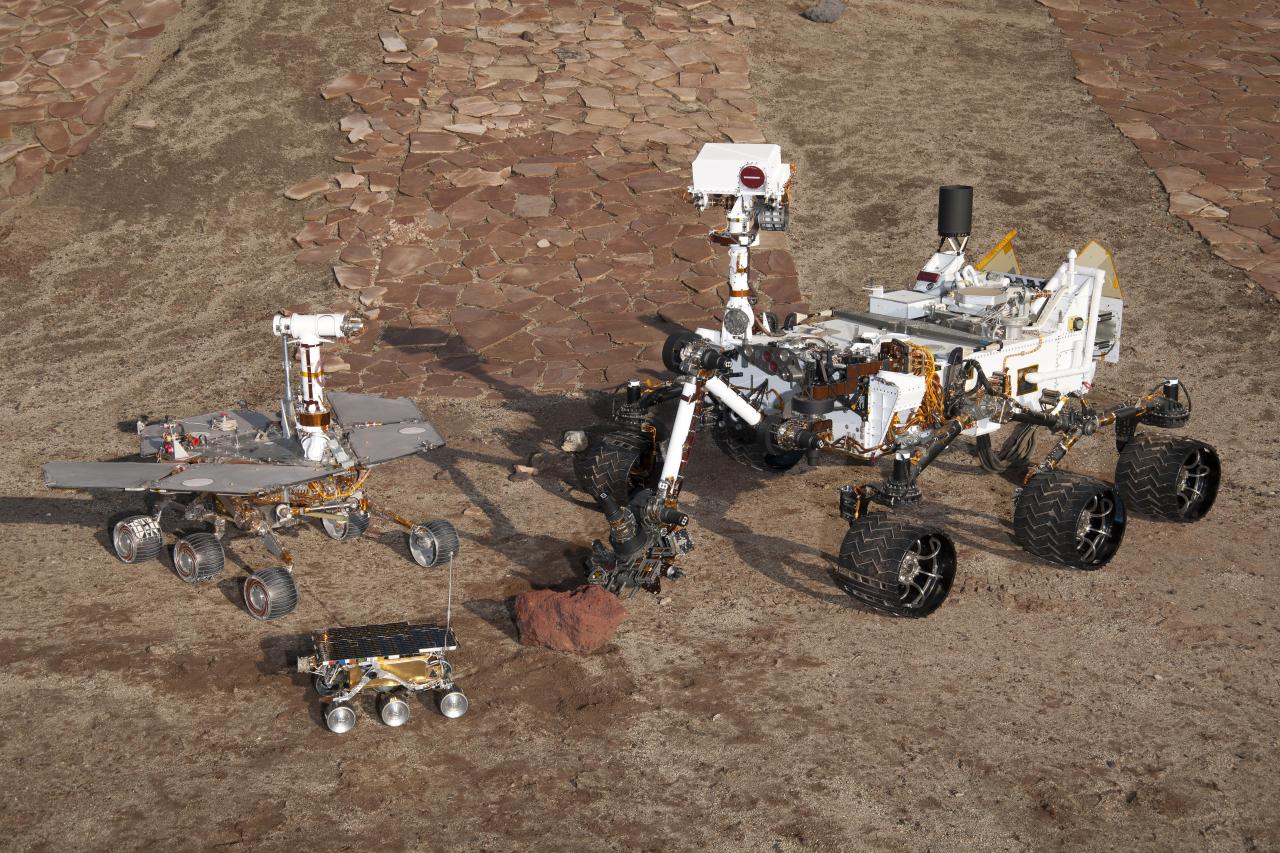
Since its historic landing on the Red Planet in 2012, NASA’s Curiosity rover has been an ambassador for our exploration of Mars. Over the years, it has taught us extraordinary lessons about the Martian environment. Recently, the rover has evolved yet again, showcasing a revolutionary approach to autonomous exploration. Instead of waiting for commands from Earth, Curiosity can now determine which Martian rocks to analyze all on its own, a powerful leap in robotic capability that paves the way for more in-depth scientific discovery.
The Dawn of Autonomy with AEGIS
Navigating the complexities of Mars presents numerous challenges, and the need for timely data is paramount. This is where AEGIS, or Autonomous Exploration for Gathering Increased Science, steps in. The introduction of this sophisticated software allows the rover to select multiple targets each week to analyze with its Chemistry and Camera (ChemCam) instrument.
- Independence in Exploration: While scientists still direct most operations, the ability of Curiosity to autonomously pick targets expands its ability to gather data when human intervention is infeasible. This functionality is particularly beneficial during long traverses or periods where communication with Earth is delayed.
- Adaptive Targeting: Using precise algorithms, AEGIS equips Curiosity with the ability to assess conditions and adapt its target selection based on the rover’s mission focus. This adaptability means scientists can modify targeting criteria based on their current scientific interests, allowing the rover to optimize its findings.
- Enhancing Precision: Human operators might struggle with pinpointing small geological features from Earth, yet Curiosity’s image analysis capabilities allow it to refine its aim and hit even the smallest targets, producing more accurate data.
The Implications of Increased Autonomy
This newfound autonomy in space exploration carries profound implications for our scientific pursuits. With Curiosity taking the lead in selecting its targets, researchers can benefit from a more extensive data set, ultimately enriching our understanding of Mars. This capability also sets the stage for future missions, which may rely even more heavily on robotic autonomy.
Moreover, the data collected during these self-directed analyses can answer pressing questions regarding Mars’ geology and potential for past life, enhancing our grasp of planetary evolution. As robotics engineer Tara Estlin succinctly put it, the autonomy of Curiosity allows for scientific objectives that would merely languish without the rover’s proactive search for knowledge.
The Future of Exploration
While Curiosity’s advancements are cutting-edge, they also remind us of the delicate balance of technology and exploration. It’s crucial to guide this autonomy with caution, as illustrated by the fictional warning from Star Trek’s V’ger – a reminder that we must remain vigilant as we rely on intelligent systems to assist us in our quests. Each step forward in robotic capability must come with an understanding of the inherent risks and responsibilities associated with space exploration.
Conclusion
Curiosity’s revamped autonomy reflects not just its capabilities but our collective ambition to explore the unknown. As we navigate the cosmos, innovations like AEGIS will enhance our efforts, catapulting us into a new era of scientific discovery. By allowing our robotic emissaries to operate with greater independence, we can unlock secrets of the universe previously thought unreachable.
At fxis.ai, we believe that such advancements are crucial for the future of AI, as they enable more comprehensive and effective solutions. Our team is continually exploring new methodologies to push the envelope in artificial intelligence, ensuring that our clients benefit from the latest technological innovations. For more insights, updates, or to collaborate on AI development projects, stay connected with fxis.ai.