
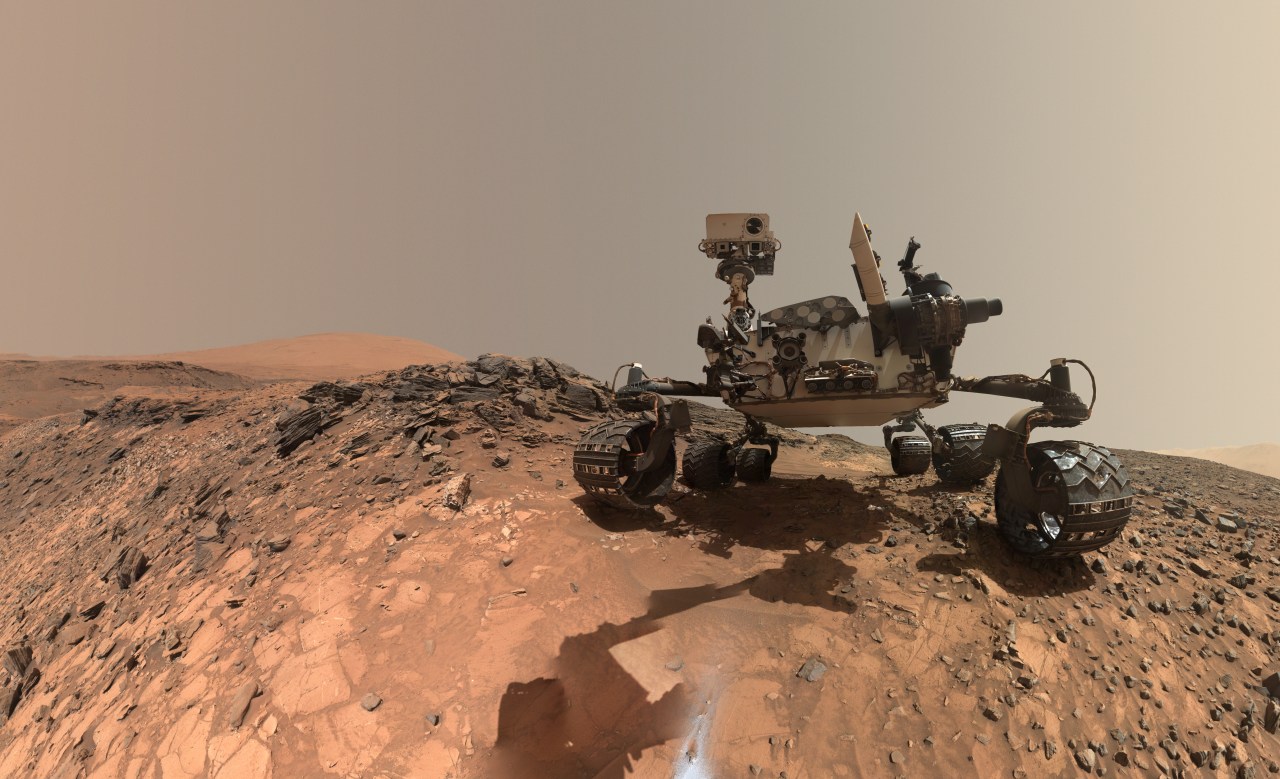
In the vastness of space, redundancy is not just a luxury; it’s a necessity. This principle has been vividly exemplified by NASA’s Mars Rover Curiosity, which has recently embarked on a mission to switch its operational brain. With two systems working in tandem, Curiosity is poised to tackle challenges, showcasing the resilience and ingenuity of modern space exploration technology.
The Dual-Brain Structure of Curiosity
Curiosity, which gracefully traverses the Martian landscape, is equipped with two nearly identical computing systems known as “Side-A” and “Side-B.” This sophisticated setup mirrors a well-established strategy in aerospace design: ensuring that one component can take over if another falters. The onboard computers are critical to the rover’s operations, conducting everything from navigation to scientific experiments. During its months of exploration, Curiosity has adeptly utilized this redundancy, proving invaluable when unforeseen issues arise.
From Emergency Switch to Routine Maintenance
Back in February 2013, on sol 200 (Martian days), Side-A experienced a glitch that temporarily rendered Curiosity offline. The swift transition to Side-B not only restored functionality but also underscored the importance of having backup systems in place. By relying on Side-B, the team received crucial diagnostic data about Side-A, allowing them to identify and resolve issues without compromising the mission. This seamless transition highlighted that preparation and foresight can make all the difference during space missions.
Current Challenges: The Switcheroo Continues
Fast forward to September 2023, and the tables have turned again. Side-B has encountered its own difficulties, failing to record mission data effectively. Fortunately, engineers at NASA’s Jet Propulsion Laboratory (JPL) have made significant strides in fixing Side-A, which is now operational again despite some minor memory corruption. This ongoing predicament emphasizes the importance of contingency planning and highlights the engineering practices that can keep a mission alive, even amid adversities.
A Glimpse into the Engineering Process
The meticulous efforts by the engineering team include extensive diagnostics and preparatory steps before switching back to Side-A as the primary operational computer. As noted by Steven Lee, deputy project manager for the Curiosity program, the process demands careful examination of Side-B’s problems to establish a practical workaround. Although memories have been slightly compromised, the rover remains functional, allowing exploration to continue while engineers ensure reliability and performance.
Lessons for Future Missions
Curiosity’s experience bears valuable lessons for the future of space exploration. The efficiency of dual-system architectures paired with strategic problem-solving capabilities can significantly extend mission lifetimes. Such redundancy not only serves to increase reliability but also fosters innovation within missions, motivating teams to develop effective strategies to avert potential crises.
Conclusion: Engineering Ingenuity in Space
As Curiosity continues to navigate the challenges of Mars, it embodies the cut-and-dry notion that space exploration is fraught with uncertainties. Thanks to its dual computing systems, the rover has shown resilience in the face of failure, shifting seamlessly between operational modes while engineers work on a long-term solution. In space, where every detail counts, redundancy isn’t just precautionary: it’s a pathway to success.
At **[fxis.ai](https://fxis.ai/edu)**, we believe that such advancements are crucial for the future of AI, as they enable more comprehensive and effective solutions. Our team is continually exploring new methodologies to push the envelope in artificial intelligence, ensuring that our clients benefit from the latest technological innovations.
For more insights, updates, or to collaborate on AI development projects, stay connected with **[fxis.ai](https://fxis.ai/edu)**.