
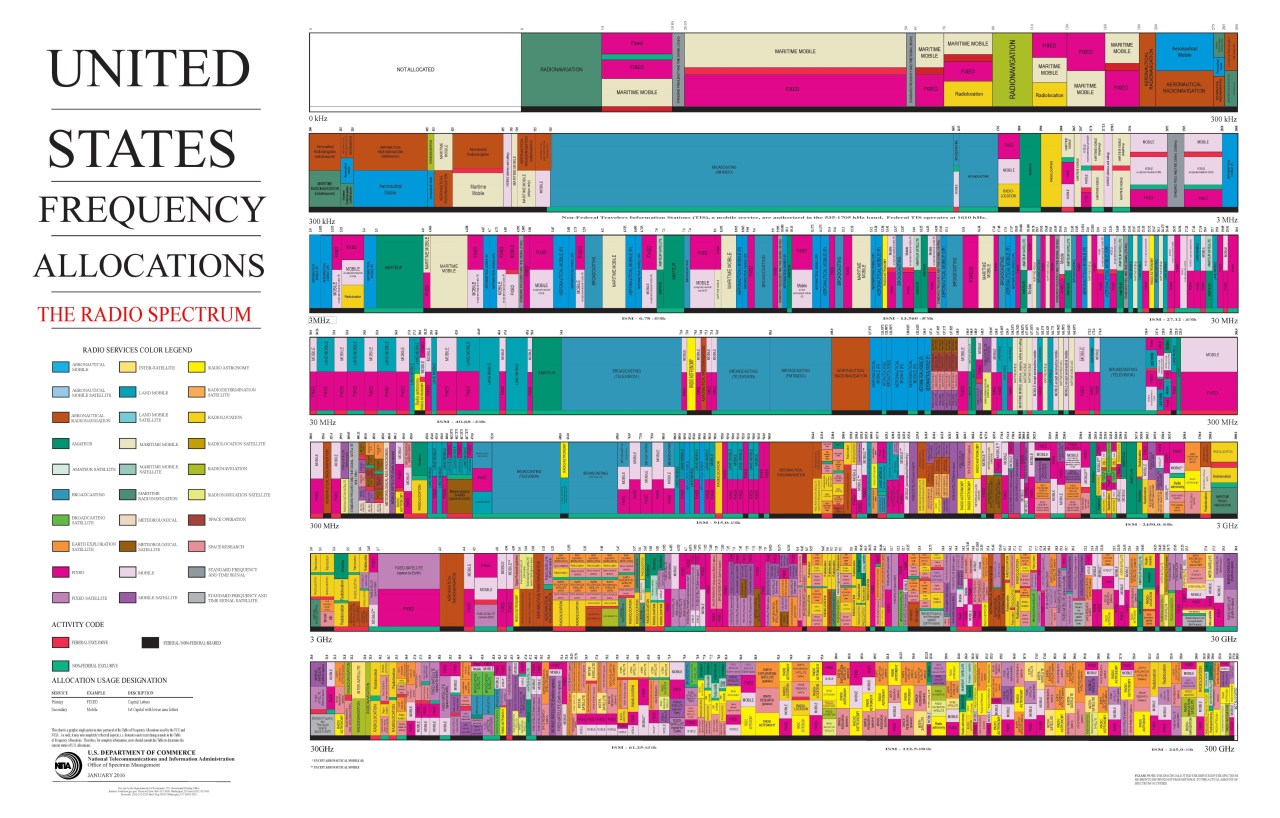
In an era where wireless devices are ubiquitous, the demand for efficient use of radio frequencies has never been more critical. DARPA has recently launched the Spectrum Collaboration Challenge (SC2), setting its sights on intelligently managing and splitting the radio frequency (RF) spectrum—an endeavor that may not generate the same buzz as self-driving cars but carries profound implications for our tech-dependent lives.
Understanding the Challenge
With billions of wireless devices vying for a limited amount of spectrum, the current approach of fixed frequency assignments is becoming increasingly outdated. DARPA’s aim with the SC2 initiative is clear: promote adaptive collaboration between devices to enhance overall spectrum efficiency. “The current practice of assigning fixed frequencies… is simply too inefficient to keep up with actual demand,” stated William Chappell, the director of DARPA’s Microsystems Technology Office.
The Mechanics of Spectrum Collaboration
So, how do we make devices “play nice” in this crowded RF landscape? The answer lies in harnessing cutting-edge technologies, including:
- Artificial Intelligence (AI): AI can offer real-time analysis of spectrum usage, dynamically reallocating frequencies based on immediate needs.
- Machine Learning: By learning patterns of interference and demand, machine learning algorithms can help predict and optimize spectrum usage.
- Miniaturized Transceiver Arrays: These small but efficient devices can potentially enhance connectivity and frequency adaptability, enabling devices to switch frequencies effortlessly.
The Colosseum: A Testing Ground for Innovation
DARPA will be utilizing a lackluster yet powerful environment dubbed the “Colosseum”—a state-of-the-art wireless testbed designed to simulate real-world RF situations like urban settings and combat zones. This capable anechoic chamber will allow researchers to rigorously test their innovative systems under conditions that mimic the complexities of spectrum congestion. As teams bring their solutions to the Colosseum, reliable and adaptive spectrum-sharing mechanisms could emerge from the collaboration of multidisciplinary engineering teams.
The Road Ahead
As the SC2 unfolds over the next few years, participants will engage in a series of challenges, refining their systems and vying for a spot in the prestigious Colosseum. The first phase kicks off in 2017, with the grand competition expected in early 2020. The anticipation builds around how emerging technologies will reshape our understanding and management of wireless communication.
Conclusion
The Spectrum Collaboration Challenge represents a pivotal moment for the future of wireless communication. By encouraging innovation and collaboration, DARPA is setting the stage for solutions that not only promise efficiency but also ensure the reliability of communications in an increasingly interconnected world. As the challenge progresses, we eagerly await what groundbreaking advancements will arise from the fusion of AI and RF technology.
At fxis.ai, we believe that such advancements are crucial for the future of AI, as they enable more comprehensive and effective solutions. Our team is continually exploring new methodologies to push the envelope in artificial intelligence, ensuring that our clients benefit from the latest technological innovations.
For more insights, updates, or to collaborate on AI development projects, stay connected with fxis.ai.