
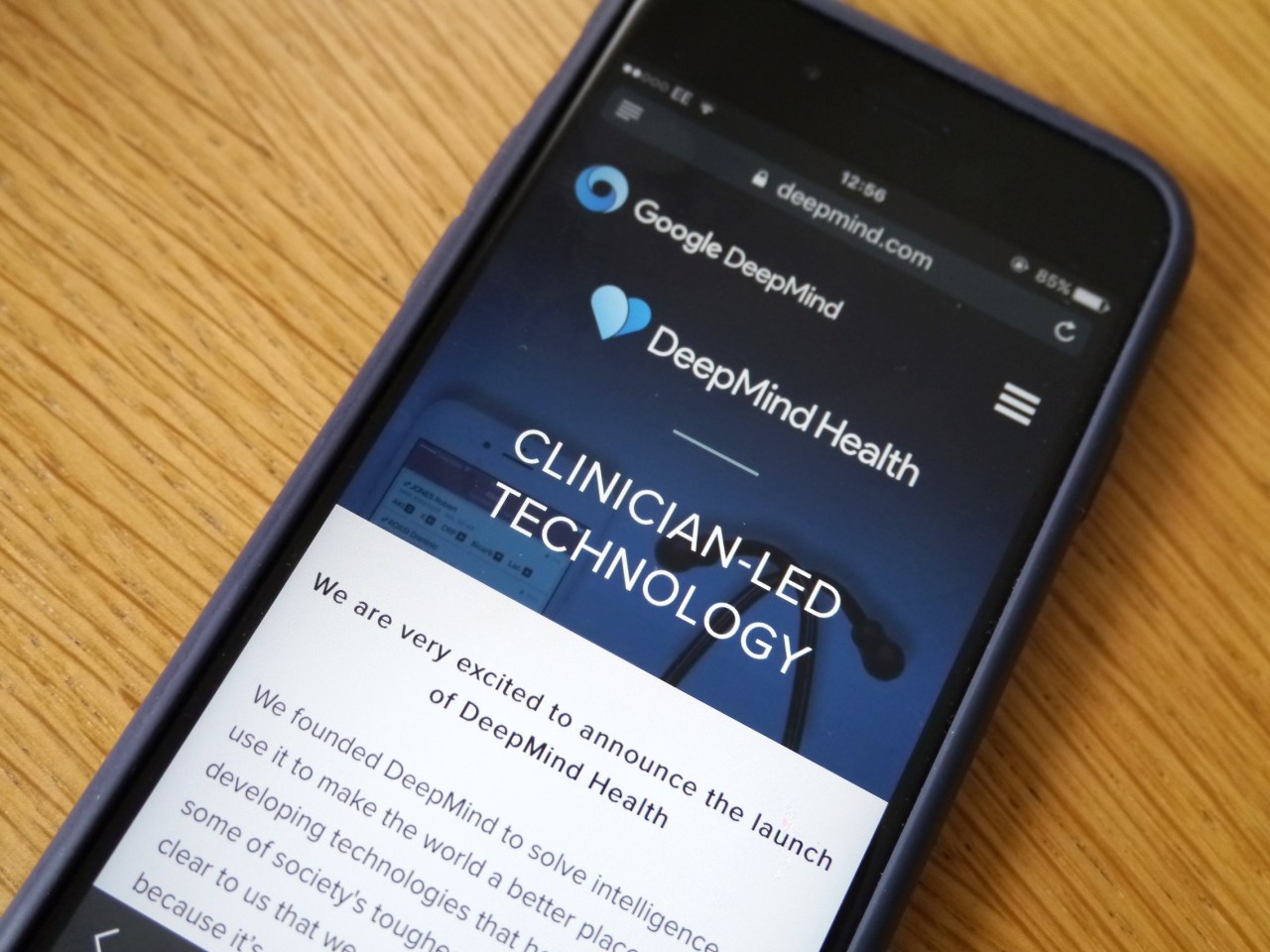
The alliance between Google’s DeepMind and the NHS has been a subject of contention, not least due to its data sharing practices. An audit released by law firm Linklaters concerning the development of a kidney injury detection app—Streams—has further illuminated this complex relationship. However, the audit itself raises more questions than it resolves. As we delve into the ramifications of this partnership, it is vital to consider the core issues that led to public skepticism in the first place.
Background: A Contentious Start
In 2015, a seemingly innocuous agreement between the Royal Free NHS Foundation Trust and DeepMind led to the sharing of patient data relating to 1.6 million individuals. The ensuing uproar stemmed from the perceived lack of transparency and consent regarding how personal medical records were handled. Critically, the original information-sharing agreement was deemed overly broad and left many questioning its compliance with legal safeguards for patient data.
The Linklaters Audit: What It Covers and What It Doesn’t
- Limited Scope: The audit, required by the Information Commissioner’s Office (ICO), focuses only on the current use of the Streams app. Alarmingly, it ignores the tumultuous details surrounding the initial 2015 contract that sparked significant public distrust.
- Exclusions Matter: One of the glaring omissions is the absence of analysis concerning the processing of personal data about clinicians using the appraisal. This leaves a gap in understanding how widespread the implications of the data-sharing arrangement actually are.
- ICO’s Concerns Remain: Despite the audit, the ICO has not endorsed Linklaters’ report, indicating that the investigation into the matter is ongoing and more stringent measures might be on the horizon.
Big Questions Still Linger
The fundamental queries surrounding patient consent and the legal basis for data transfer remain addressed only indirectly. The ICO’s deputy commissioner pointed out shortcomings in the sharing process, emphasizing that other NHS Trusts pondering similar technology deployments must conduct thorough risk assessments. This cautionary tale serves as a reminder that innovation should not come at the expense of patient rights.
DeepMind’s Role: Not as Ground-breaking as Hoped?
The audit characterizes DeepMind’s contributions to Streams as limited, noting that their involvement primarily formatted an already established NHS algorithm rather than pioneering new technical advancements. What’s more, it suggests that DeepMind has effectively morphed into a service provider, merely offering infrastructure and design services rather than any truly transformative technological solutions.
The Need for Proper Oversight
Reflecting on the failure to conduct a comprehensive historical review of issues surrounding the original agreement, stakeholders have voiced disappointment. MedConfidential, an advocacy group for health data privacy, criticized the audit for not addressing the core privacy concerns. Their assertion that the audit prioritizes corporate interests over actual patient needs presents a serious ethical dilemma that echoes throughout the healthcare industry.
Looking Ahead: What Does the Future Hold?
As discussions around the integration of AI in healthcare continue, transparency in data sharing is paramount. The revelations from the Linklaters audit highlight an urgent need for hospitals to examine their partnerships with tech companies critically, ensuring that patient confidentiality remains a backbone of any technological innovation.
Conclusion: A Cautionary Tale
The journey of DeepMind’s collaboration with the NHS serves as a powerful reminder of the ethical and legal landscapes in which healthcare technology operates. While advancements in artificial intelligence could revolutionize patient care, they must never supersede the foundational principle of patient consent. Moving forward, it is essential that all stakeholders heed the lessons learned from this partnership and prioritize a transparent approach to data handling, ensuring that technology serves humanity without compromising our rights.
At fxis.ai, we believe that such advancements are crucial for the future of AI, as they enable more comprehensive and effective solutions. Our team is continually exploring new methodologies to push the envelope in artificial intelligence, ensuring that our clients benefit from the latest technological innovations.
For more insights, updates, or to collaborate on AI development projects, stay connected with fxis.ai.