
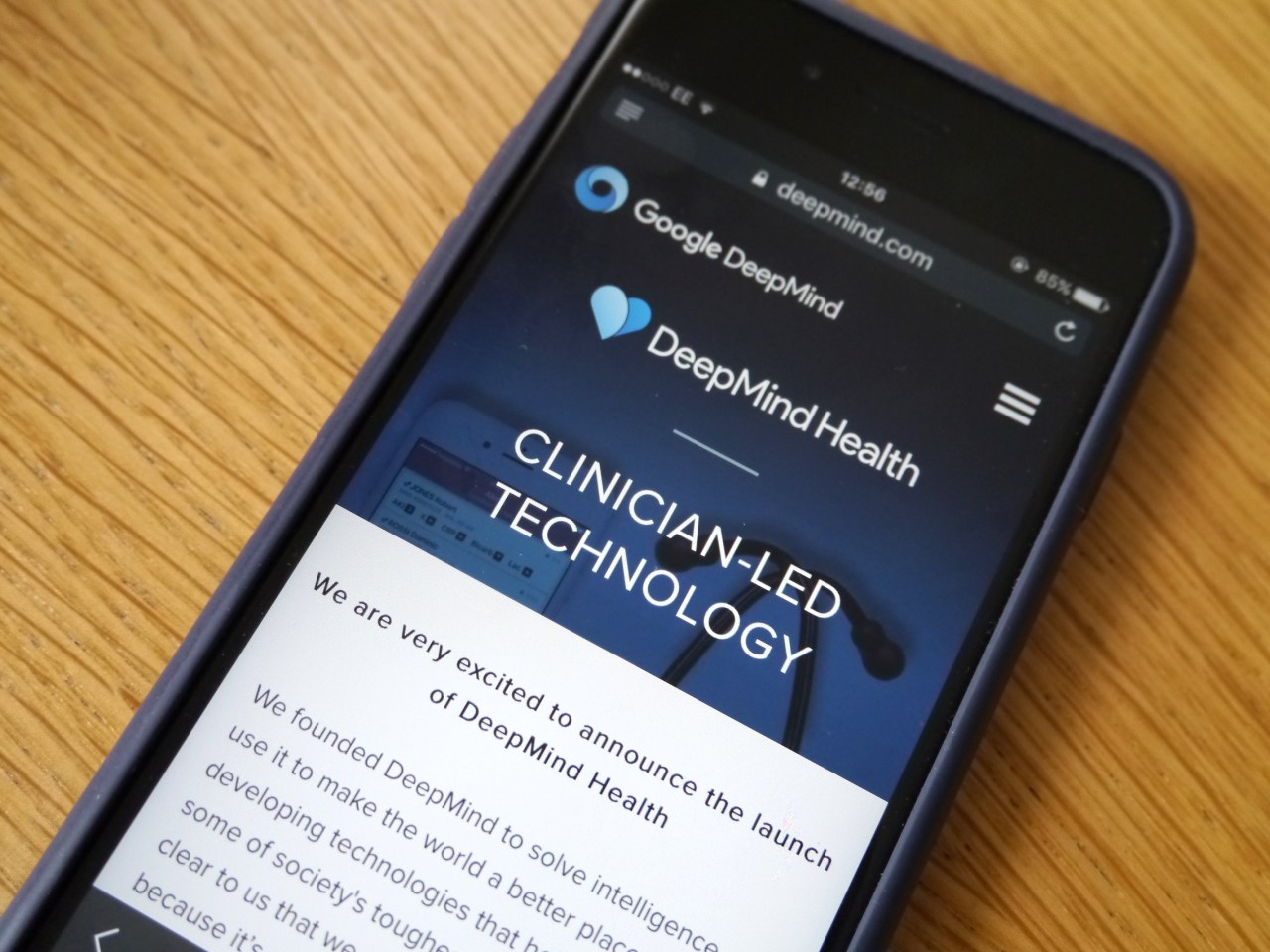
The intersection of healthcare and technology has often sparked heated discussions, especially when it comes to patient data privacy and consent. A significant chapter unfolded in this saga with the agreement between Google-owned DeepMind and the Royal Free NHS Trust in the UK. Following a 10-month-long investigation by the UK’s Information Commissioner’s Office (ICO) into the legitimacy of data-sharing practices between these entities, now is the perfect time to dissect what this means for the future of data protection in health care.
A Powerful Partnership
In late 2015, DeepMind entered into an arrangement with the Royal Free NHS Trust, which included the transfer of extensive patient data. The partnership aimed to develop the Streams application, designed to help clinicians monitor patients at risk of acute kidney injury. However, the transfer of data sparked scrutiny as it was reported that 1.6 million patients’ medical records were shared without explicit consent. As of March 2017, the quantity and nature of this data-sharing arrangement remained a topic of contention, emphasizing the delicate balance between innovative healthcare solutions and patient privacy.
Ethical Questions Arise
The ICO’s investigation began after revelations surfaced, detailing how patient data was being used without the patients’ knowledge. Experts have raised ethical concerns, suggesting that errors were made concerning the legal frameworks surrounding NHS information governance. A recent academic paper, “Google DeepMind and healthcare in an age of algorithms,” has deepened this dialogue, calling for stringent regulations governing the transfer of patient data from public institutions to private companies.
- Lack of Transparency: Critics point to the insufficient clarity regarding how data was shared and what safeguards were in place.
- Consent Misinterpretation: Both DeepMind and the Trust argue that the app’s direct patient care use negates the need for consent, a claim that regulators and ethics experts contest.
- A Call for Oversight: The paper emphasizes that advancements in technology should not outpace the ethical considerations that safeguard patient rights.
Regulatory Response
As the ICO continues its thorough examination of this partnership, the collaboration has garnered attention from the National Data Guardian (NDG). It aims to ensure patients’ expectations for confidentiality and quality care are upheld. The NDG has stressed the necessity for transparency, maintaining that the ethical implications of such data-sharing arrangements should not be overlooked. Their collaboration with the ICO signifies a collective urgency to uphold data protection laws in the age of artificial intelligence.
Forward-Looking Statements
While the initial data-sharing agreement faced public backlash, a subsequent deal was signed in November 2016. This revised agreement promised enhanced security measures and an introduction of an unprecedented level of data access audits. However, tantalizing questions remain about the implications of such partnerships in healthcare. Will patients be universally assured of their data privacy in the face of burgeoning technology? How can we enforce the ethical use of AI in medical environments?
Conclusion: The Path Ahead
The inquiry surrounding DeepMind and the Royal Free NHS Trust serves as a reminder of the complexities associated with healthcare data sharing. As organizations navigate the delicate landscape of patient data and artificial intelligence, they must prioritize transparency and patient consent. The ICO’s upcoming conclusions will significantly influence how similar partnerships operate moving forward, reinforcing the standards that protect patient data while balancing innovation and public trust.
At fxis.ai, we believe that such advancements are crucial for the future of AI, as they enable more comprehensive and effective solutions. Our team is continually exploring new methodologies to push the envelope in artificial intelligence, ensuring that our clients benefit from the latest technological innovations. For more insights, updates, or to collaborate on AI development projects, stay connected with fxis.ai.