
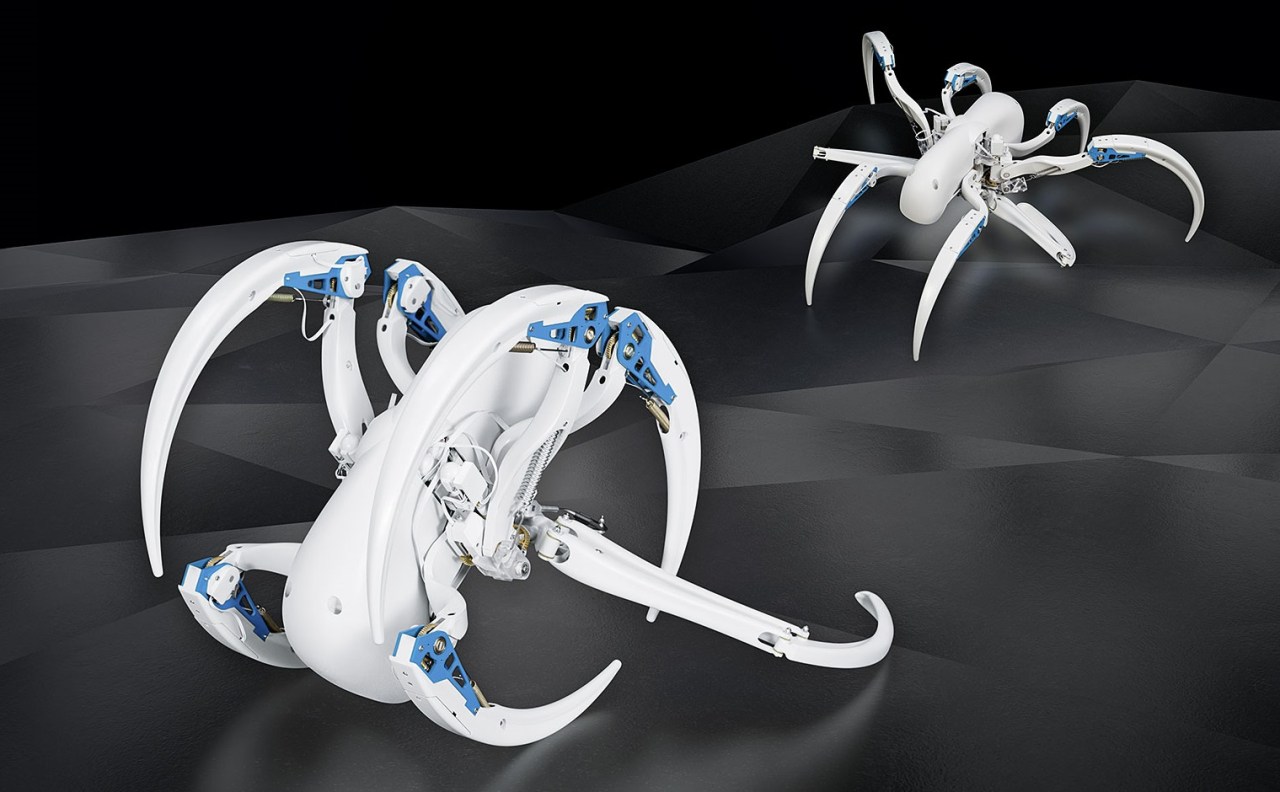
In a world where the fusion of biology and technology opens the door to endless possibilities, Festo continues to amaze with its latest creations: the BionicWheelBot and the BionicFlyingFox. While they may primarily serve as tech demonstrations, the engineering prowess behind these biomimetic robots highlights the remarkable intersection of nature and innovation. In this blog post, we will explore these fascinating robots, their inspirations, and what they signify for the future of robotics.
Unveiling the BionicWheelBot
The BionicWheelBot, inspired by the intriguing movement of a tumbling spider, showcases a unique approach to locomotion. While countless researchers have explored hexapodal movement, Festo adds a twist—literally! When needed, this ingenious robot can transform its legs to create a wheel, allowing it to roll with surprising speed and agility. This transformation gives it a boost when navigating downhill or breezing through light winds, simulating aspects of real insect behavior.
- The design and engineering behind its hexapodal locomotion allow it to navigate complex terrains.
- Its ability to transition into a wheeled mode is reminiscent of various insects that have adapted to their environments over millions of years.
- Despite its seemingly delicate nature, the BionicWheelBot overcomes the challenge of balance by proving its resilience through daring escapes off tables!
Soaring with the BionicFlyingFox
On the other hand, Festo’s BionicFlyingFox takes to the skies, drawing inspiration from the majestic fruit bat. This robot focuses on lightweight construction and flexible design, which are essential qualities for any flying creature. Its wings, crafted from a modified elastane material, simulate the strong yet lightweight membranes found in bats, allowing the robot to flap realistically and remain airborne longer than one might expect.
- The BionicFlyingFox stands as a testament to how robotics can harness the secrets of nature to solve complex challenges.
- Its design emphasizes not just functionality but also aesthetics, showcasing the beauty that can emerge from engineered designs inspired by nature.
- As the field of biomimetic robots continues to grow, the innovations encapsulated in this flying fox could pave the way for more sophisticated flying technologies.
The Future of Robotics and Biomimicry
While Festo’s creations may not hold the promise of groundbreaking industrial applications just yet, their engineering represents a step toward understanding the potential of biomimicry in robotics. As we observe these robots in action, we can envision a future where nature-inspired designs could improve various aspects of our technological landscape, from mobility to energy efficiency.
As we crown these robots technological marvels, we begin to appreciate the ingenuity that stems from observing nature. Imagine the potential if researchers further harnessed concepts like the BionicWheelBot and BionicFlyingFox, integrating their principles into projects that address real-world problems such as search and rescue, environmental monitoring, or even household tasks.
Conclusion: A Leap Toward Nature’s Solutions
The BionicWheelBot and BionicFlyingFox from Festo not only capture our imagination but also underscore the incredible potential that lies in merging biomimicry with robotics. These robots serve as a reminder that the world around us carries invaluable secrets just waiting to be deciphered. With continued exploration in this field, we might soon see biomimetic designs becoming an integral part of our everyday lives.
For more insights, updates, or to collaborate on AI development projects, stay connected with fxis.ai.
At fxis.ai, we believe that such advancements are crucial for the future of AI, as they enable more comprehensive and effective solutions. Our team is continually exploring new methodologies to push the envelope in artificial intelligence, ensuring that our clients benefit from the latest technological innovations.