
Step into the realm of virtual reality, and you’ll encounter sensations both exhilarating and, at times, bewildering. The HTC Vive represents a remarkable leap forward, transforming our interaction with technology and media. As we peel back the layers of this new virtual dimension, we face a blend of nostalgia and futurism that challenges our understanding of reality itself. Is VR the future we’ve been promised, or just a retro step back into a world of pixels?
Unpacking the HTC Vive Experience
The HTC Vive promises a boundless experience with a headset that can make the user feel as though they’re floating through space. However, it’s also tethered to a powerful PC and reality itself, creating a curious juxtaposition. As users don the headset, a rush of excitement mingles with a strange weight pressing on their faces. The initial sensations can evoke memories of less sophisticated technologies, making one question whether VR marks an extraordinary innovation or a cyclical revival.
Returning to Roots: HTC’s Bold Shift
Under the guidance of Drew Bamford, HTC’s Creative Labs team aims to redefine the future of virtual presence. For them, VR feels like a return to the roots of consumer electronics, a chance to innovate away from the saturated smartphone market. With their partnership with Valve, HTC seeks to carve out a niche within the VR landscape that differentiates them from the competition.
The Limitless Applications of VR
As one dives deeper into the world of VR, it becomes apparent that the potential applications extend far beyond gaming. Bamford highlights intriguing partnerships with various industries, including automotive design, architecture, and even medicine. Imagine a scenario where automotive designers visualize their creations without the hassle of bulky clay models or where surgeons can pre-visualize complex surgeries using immersive VR tools.
- Automotive Visualization: Companies are abandoning expensive cave systems in favor of using HTC Vive technologies.
- Architectural Design: The Vive allows architects to see and “feel” the spaces they’re designing.
- Medical Innovations: Surgeons can visualize 3D tumor simulations, revolutionizing pre-surgical planning.
Engaging with the Enigma of Social VR
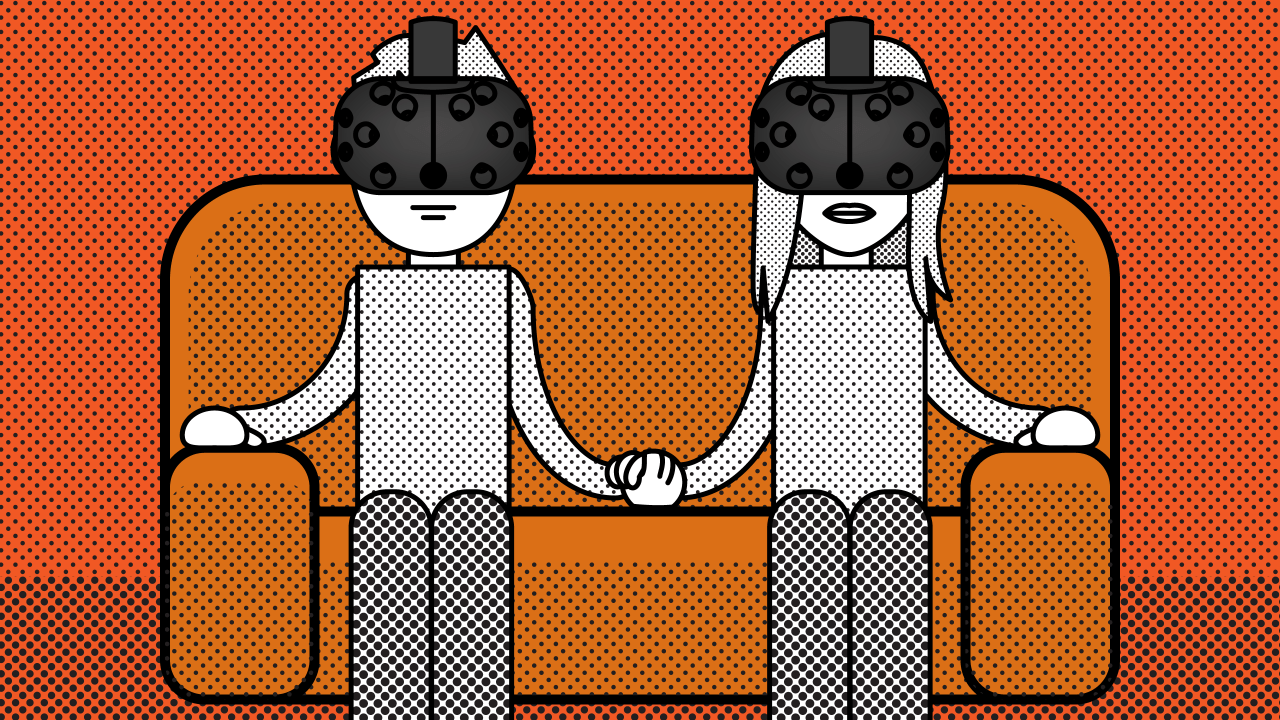
As we contemplate the social implications of VR, it’s impossible to overlook the psychological impact of connecting with others in this strange digital landscape. Bamford believes virtual interactions can mirror real-world engagements, such as watching a movie while wearing headsets together with a partner, despite the physical distance. However, the technology is still in its early stages, battling issues of presence and authenticity in avatar representations.
The Evolution of Avatar Interactions
Creating realistic avatars is another layer of complexity for VR developers. The difficulty lies in ensuring that avatars can express emotions accurately and naturally. People desire avatar experiences that mirror reality but also offer enhancements—like a “better version” of oneself. This ongoing debate highlights an essential truth about VR: in striving for immersion, there’s a fine balance between familiar and fantastic.
Transforming Everyday Experiences
VR’s transformation of common activities could lead to significant shifts in workplace dynamics. Imagine finance professionals replacing their multiple monitors with VR headsets that display vast amounts of data without the physical clutter. While it may seem like a futuristic concept, it’s gaining traction among industry experts.
As technologies converge, the idea of experiencing VR without cumbersome headsets will likely become a reality. Innovations such as lightweight, holographic displays signal a path that merges the aspirations of both VR and AR. In years to come, people may find themselves engaging with content in entirely new ways, where a smartphone is more than just a phone, but a portal to layered reality.
The Path Forward: Embracing Challenges
The road ahead for VR is fraught with challenges, notably content quality, health concerns like motion sickness, and the tendency for users to feel trapped within virtual confines. As Bamford and his team continue to refine their offerings, understanding user experience holistically will be paramount to ensuring VR’s long-term success.
Conclusion: A Brave New Virtual Frontier
The journey into the world of virtual reality is just beginning, full of oddities and surprises that hold the potential to reshape how we connect with one another and the world around us. While there are challenges to overcome, the strides made by companies like HTC herald a new era in technology that promises to captivate our imaginations. As our perspectives evolve, embracing the strange new sensations elicited by virtual reality will be crucial in welcoming its future.
At **[fxis.ai](https://fxis.ai/edu)**, we believe that such advancements are crucial for the future of AI, as they enable more comprehensive and effective solutions. Our team is continually exploring new methodologies to push the envelope in artificial intelligence, ensuring that our clients benefit from the latest technological innovations. For more insights, updates, or to collaborate on AI development projects, stay connected with **[fxis.ai](https://fxis.ai/edu)**.