
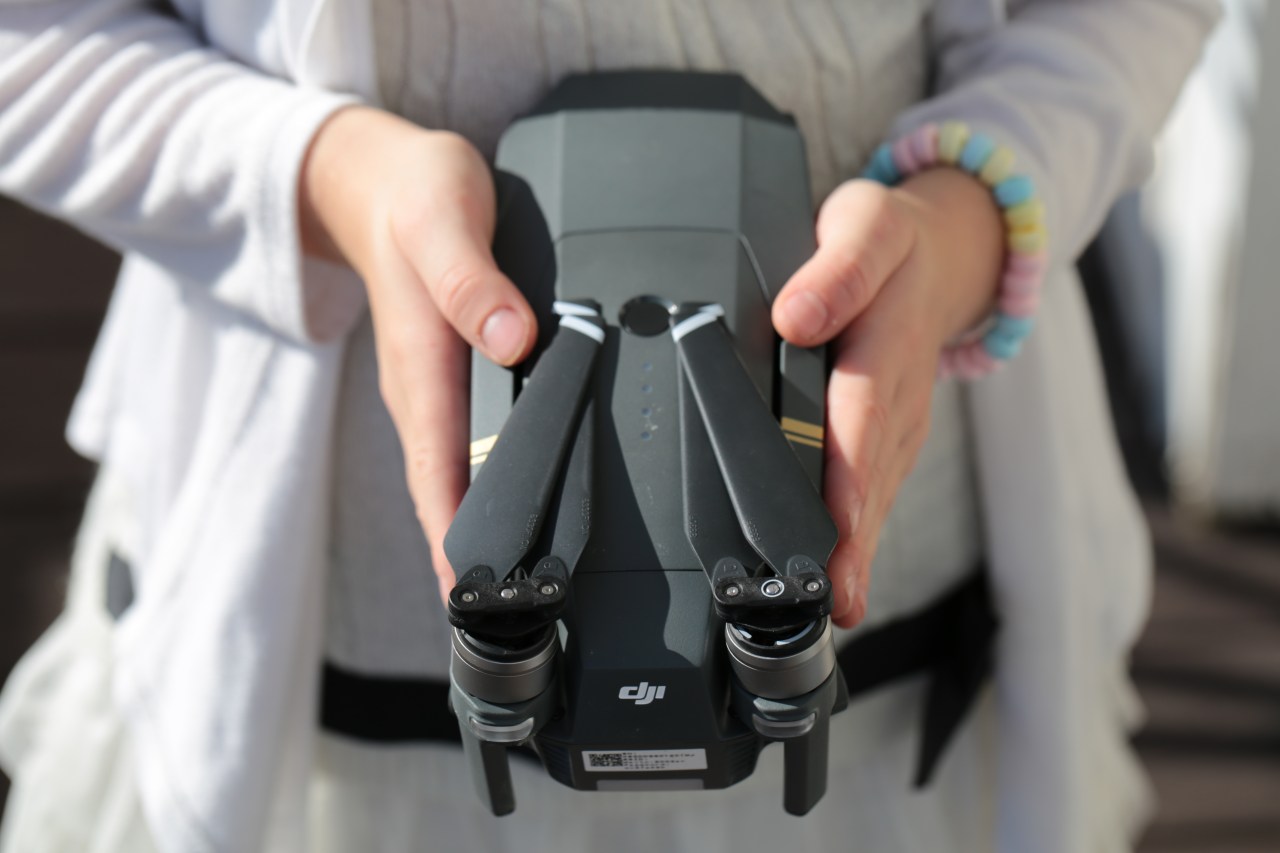
In the world of consumer drones, safety and regulation have taken center stage following high-profile incidents such as the Gatwick drone fiasco. In response to the chaos that ensued around major airports, DJI, a leading drone manufacturer, is rolling out an advanced geofencing system across Europe. This upgrade, dubbed GEO 2.0, not only aims to enhance airspace safety but also to unlock more opportunities for responsible drone operation. Let’s delve into the significant changes and what they mean for drone users and aviation authorities alike.
The Genesis of GEO 2.0
DJI’s introduction of the Geospatial Environment Online (GEO) 2.0 system is a crucial step towards improving safety protocols. This system will be gradually implemented across 32 European countries, encompassing 19 regions that previously lacked effective geofencing measures. Such a move is imperative given the rising popularity of drones, which has, until now, been marred by incidents leading to regulatory scrutiny.
What’s New in GEO 2.0?
In stark contrast to earlier geofencing systems characterized by basic circular no-fly zones, GEO 2.0 introduces advanced “bow tie” shaped safety zones around airports. This complex three-dimensional approach is designed to reflect real-world flight paths more accurately, thus ensuring a balance between accessibility for drone enthusiasts and stringent safety measures. Here’s a closer look at the key components:
- Expanded Safety Zones: The system imposes stricter geofencing restrictions within a 1.2-kilometer wide rectangle around runways, evolving standard safety protocols to protect both aircraft and drone operators.
- Flexible Operation Areas: The oval-shaped geofencing within 6 kilometers of runways allows for more drone usage, especially in areas that pose lower risks yet remain in proximity to sensitive airspace.
- Consultation with Aviation Authorities: DJI has ensured that the new boundaries comply with standards set by the International Civil Aviation Organization (ICAO) while also collaborating with local aviation organizations for effective implementation.
Collaborating for Safer Skies
To enhance its geofencing capabilities, DJI has shifted its data provider from AirMap to Altitude Angel, a U.K.-based startup known for its unmanned traffic management platform. This transition is intended to offer more accurate mapping of high-risk zones around not only airports but also other sensitive locations such as military bases and nuclear facilities. This precision allows for tailored restrictions where they are necessary and flexibility elsewhere, thereby promoting responsible drone operation.
Adapting to Modern Challenges
The introduction of Temporary Flight Restrictions (TFRs) is another noteworthy feature of GEO 2.0. Enabled by real-time data from Eurocontrol, TFRs will adapt to emergencies or special events, ensuring that drone operations don’t interfere with critical situations. This forward-thinking approach not only aims to protect public safety but also integrates drones into the broader aviation ecosystem.
Challenges Ahead
Despite these advancements, challenges remain. For instance, individual DJI drone owners must ensure their devices are updated with the latest firmware to implement these new geoblocks. Moreover, the existing risk posed by modified drones—machines that can circumvent standard geofencing protocols—remains a concern for regulators and drone makers alike. The need for further regulatory frameworks is pressing as authorities aim to keep pace with rapid technological advancements.
Conclusion: A Step Towards Safer Operating Environments
DJI’s roll-out of GEO 2.0 represents a significant leap toward safer skies and organized airspace usage across Europe. By leveraging advanced technology and expert consultations, the company aims not only to mitigate the risks associated with drone operations but also to empower users with more options. The interplay between innovation and regulation will be crucial as we navigate this evolving landscape.
At fxis.ai, we believe that such advancements are crucial for the future of AI, as they enable more comprehensive and effective solutions. Our team is continually exploring new methodologies to push the envelope in artificial intelligence, ensuring that our clients benefit from the latest technological innovations. For more insights, updates, or to collaborate on AI development projects, stay connected with fxis.ai.