
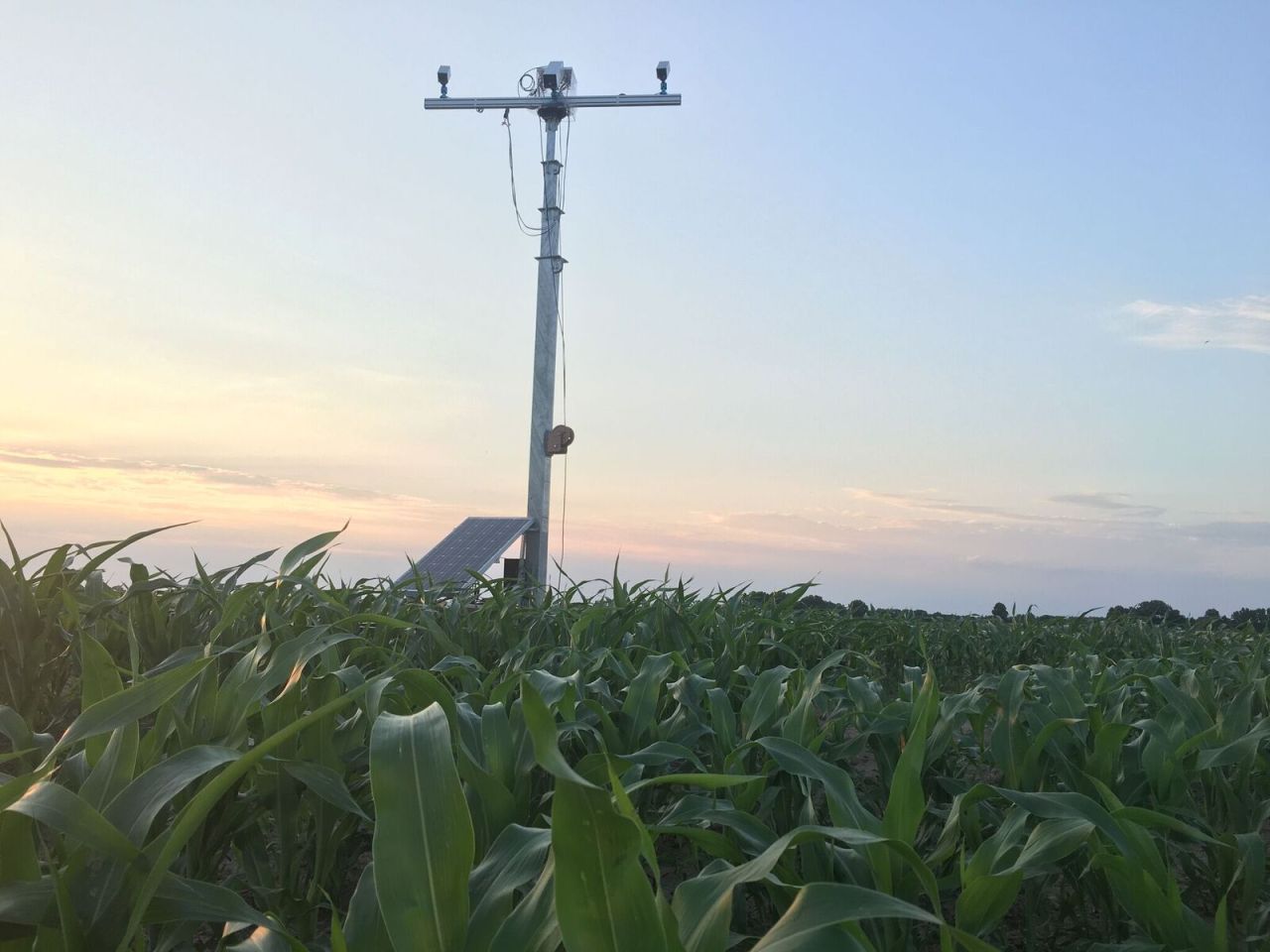
With climate change wreaking havoc on traditional farming methods, the quest for resilient crops has become more critical than ever. A forward-thinking project at the University of Missouri is raising the bar by utilizing robotics to overcome environmental challenges in agriculture. Backed by a generous National Science Foundation grant of $20 million, researchers are on a mission to develop strains of crops that can withstand the pressures of heat, drought, and flooding.
The Robots at Work
The innovative research team employs two key robotic platforms that work in synergy to gather valuable data from the fields. First, there’s the imposing stationary mobile tower—an intelligent structure that serves as a lookout post at the edge of the crop field. Second, in the spirit of exploration, they unleash a nimble robot affectionately dubbed “Vinobot,” designed to traverse the crops for a closer inspection.
Gathering Data Like Never Before
At the heart of this endeavor lies a sophisticated data collection system that provides much-needed insight into plant health. Here’s how it works:
- The mobile tower collects 3D scans of selected crops, including corn and sorghum.
- Temperature, humidity, and light intensity readings are captured across different heights—a crucial feature as these factors can significantly impact crop development.
- Each robot is equipped with an advanced camera system, providing detailed models to assess biomass volume along with thermal readings.
- Both platforms can cover a substantial ground area, offering a holistic view of the crop’s environmental condition.
Advantages Over Traditional Monitoring
Researcher Gui DeSouza highlights the advantages of this robotic system over conventional UAVs. Drones require meticulous flight planning, skilled pilots, and often face operational constraints, particularly at night. In contrast, these advanced robotic platforms can operate around the clock and be repositioned with ease to various sections of farmland.
The Future of Robotic Agriculture
The journey towards automation doesn’t stop at data collection. The team is also working towards developing a fully autonomous Vinobot that can independently navigate the fields and gather real-time data alongside the stationary tower. This step could revolutionize agricultural monitoring, making it easier and more efficient to analyze crops under stress conditions.
Unlocking Genetic Insights for Resilient Crops
The ultimate goal of this research initiative is not only to improve crop resilience but also to provide genetic insights that can be leveraged for breeding. By identifying which crop families are most tolerant to environmental stresses, researchers can explore the specific genes responsible for these traits. This could yield breakthroughs in developing highly resilient food sources, ensuring that we maintain robust food production amidst the unpredictability posed by climate change.
Conclusion: A Promising Path Ahead
The integration of robotics into agriculture marks a transformative step towards sustainable farming practices in an era of climate challenges. As the University of Missouri continues to push the technological envelope, their approach brings hope for a future where crops can thrive in even the harshest conditions.
At fxis.ai, we believe that such advancements are crucial for the future of AI, as they enable more comprehensive and effective solutions. Our team is continually exploring new methodologies to push the envelope in artificial intelligence, ensuring that our clients benefit from the latest technological innovations.
For more insights, updates, or to collaborate on AI development projects, stay connected with fxis.ai.