
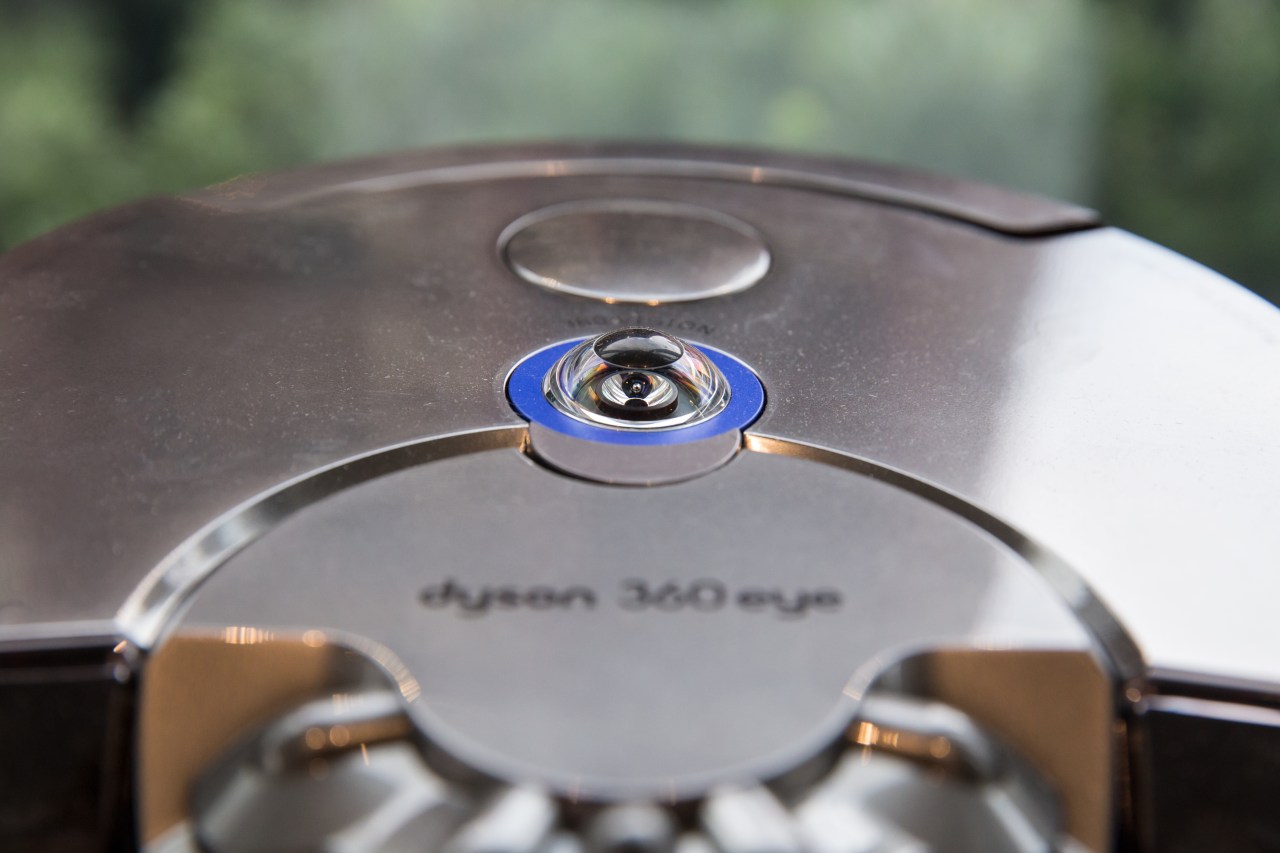
When you think of Dyson, what comes to mind? Innovative home appliances, perhaps? Now, imagine a smart vacuum that not only cleans your floors but also understands your home in ways you never thought possible. Enter the Dyson 360 Eye, a revolution in the world of robotic cleaning technology. With its launch now spanning multiple global markets, this cutting-edge vacuum cleaner symbolizes Dyson’s commitment to continuous improvement and adaptation in the consumer marketplace.
A Road Paved with Vision and Innovation
Dyson’s journey into robotic suction began long before the 360 Eye made its public debut in Japan. The foundational work started back in 1998, and since then, the endeavor has grown, advancing with technology and customer feedback. Lead Robotics Engineer Mike Aldred sheds light on the long and arduous development path that led to this remarkable device. “Vision is absolutely critical, but it was a completely new technology,” he said, emphasizing the learning curve and the substantial engineering required to make the 360 Eye both functional and efficient.
The sophistication of the 360 Eye lies in its revolutionary 360-degree vision system, which combines a spherical camera with advanced sensors. This intelligent setup allows the vacuum to navigate and map your space efficiently, ensuring every corner is covered, far surpassing the capabilities of older models like Roomba.
The Power of Extensive Testing
One notable aspect of the 360 Eye’s development was Dyson’s emphasis on extensive real-world testing. Aldred indicated that the company invested approximately 100,000 to 200,000 hours in home trials before the final product was launched. “We aimed for a wide cross-section to identify mistakes in varied surroundings,” he mentioned. This mindset not only helps in refining the vacuum’s capabilities but also paves the way for future innovations.
This approach reflects a shift in product development that is more akin to software sprints than traditional hardware cycles. Dyson is continuously refining the technology based on consumer feedback and performance details, treating the 360 Eye more as a service that can evolve than a one-time product release.
A Connected Future: Implementing Software Updates
What sets the 360 Eye apart is its connectivity. Aldred explained, “Because it’s a connected product, we can make fixes.” This inherently means that Dyson isn’t just launching a vacuum; they’re undertaking a project that can evolve through over-the-air software updates. Owners can expect regular enhancements, addressing any potential hiccups along the way, a revolutionary concept in the household appliance sphere.
Interestingly, while Dyson acknowledges future generations—versions two and three—will emerge, the company aims to continue retaining features on the 360 Eye that can seamlessly integrate into these new releases. “Vision will remain a core technology,” Aldred asserts.
The Potential of AI in Household Robotics
As Dyson looks to the future, Aldred revealed the company’s exploration into integrating AI and machine learning into their products. However, he points out that the focus will remain on functionality rather than gimmicks. This philosophy strikes a chord with consumers who seek usability over complexity. “Our technology isn’t just for robot vacuum cleaners; it has potential across a wide range of fields,” he adds, suggesting robust applications beyond just cleaning.
The nuances of the 360 Eye’s operation also mirror a deeper understanding of consumer needs. While it doesn’t store data from previous cleaning runs—an intentional design choice to adapt to changing home layouts—this presents an interesting challenge. Imagine a scenario where you move furniture frequently; the 360 Eye’s approach to investigating new pathways each time could become a tactical advantage.
Conclusion: Dyson’s Vision for the Future of Robotics
Dyson’s 360 Eye is more than just a robotic vacuum; it’s a first step into a future where household chores could become a thing of the past, thanks to intelligent technology. The focus on real-world testing, continuous improvements, and cutting-edge research into AI and machine learning positions Dyson as a leader in consumer robotics. As homes continue to evolve, so will the products designed to take care of them.
At fxis.ai, we believe that such advancements are crucial for the future of AI, as they enable more comprehensive and effective solutions. Our team is continually exploring new methodologies to push the envelope in artificial intelligence, ensuring that our clients benefit from the latest technological innovations.
For more insights, updates, or to collaborate on AI development projects, stay connected with fxis.ai.