
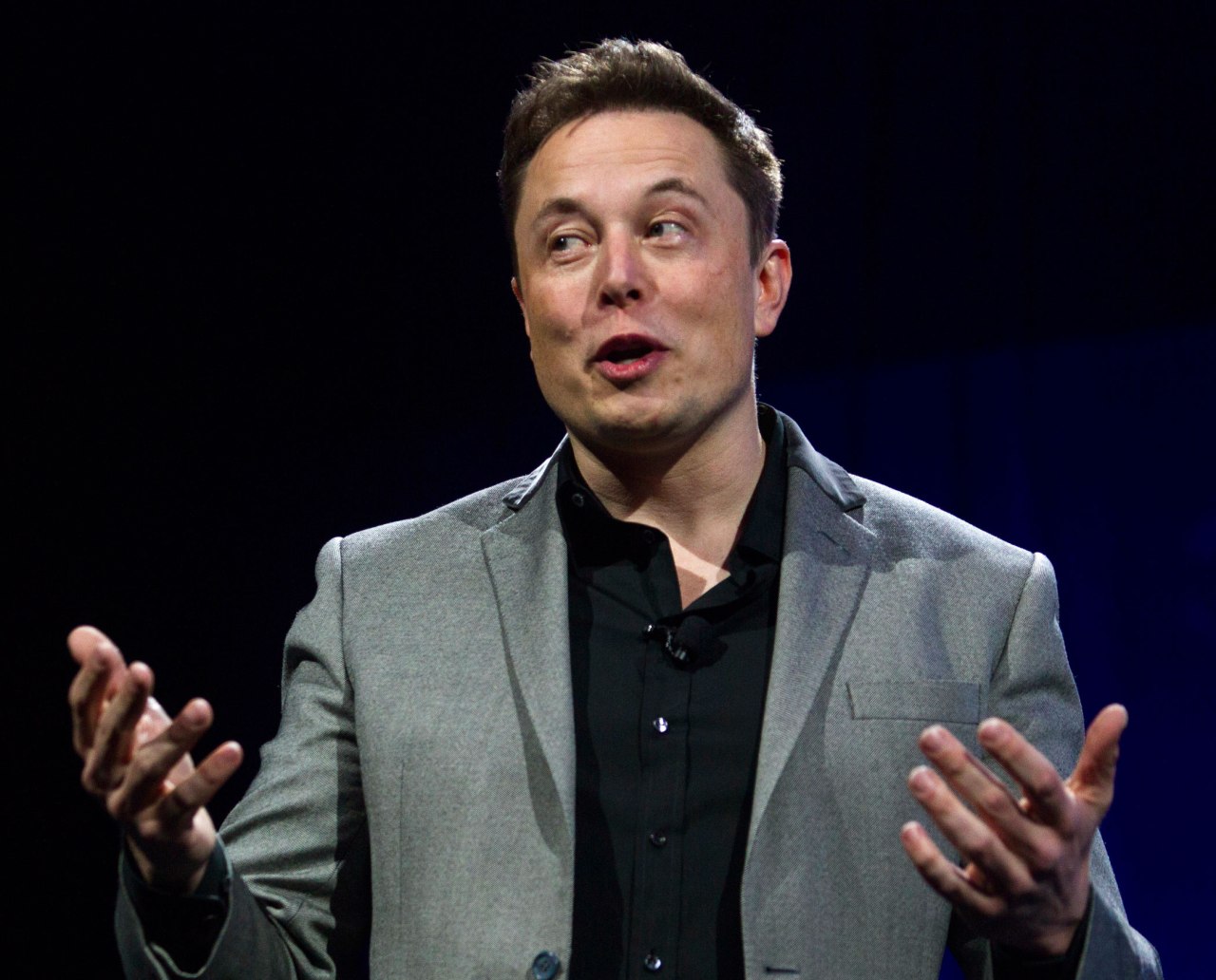
Elon Musk, the visionary leader behind Tesla and SpaceX, has once again captured our attention with a tantalizing hint of his plans for the future of urban transportation. At a recent transport conference in Norway, Musk shared a cryptic idea that could redefine how we navigate our bustling city streets. While details are scant, the implications of his vision could pave the way for revolutionary transit solutions. Let’s explore what this could mean for the future of autonomous travel.
A New Paradigm for Urban Transport
Musk’s remarks about a “new type of car or vehicle” that is “not exactly a bus” point towards a paradigm shift in urban mobility. He suggested that this innovative vehicle would not only alleviate congestion but also transport people directly to their final destinations rather than just to bus stops. This suggests a system that transcends traditional public transit models.
Characteristics of the Futuristic Vehicle
- Autonomous Connectivity: Central to Musk’s vision is the notion that autonomous vehicles will play a crucial role. Imagine a fleet of small electric vehicles that can navigate their routes independently while communicating with one another for optimized traffic flow.
- Shared-Ride Efficiency: Picture 8-10 passenger EVs operating on shared routes, picking up and dropping off users in real-time, maximizing convenience and minimizing wait times.
- Sleek Design: These vehicles might resemble oversized shuttles, designed for easy access with room to stow bags, groceries, or luggage — a modern alternative to the clunky, crowded buses of today.
Rethinking Stops: A Smart Approach
Musk acknowledged that shuttles often face criticism due to their myriad stops. However, with advanced algorithms and city-wide efficiency systems, this could be revolutionized. Instead of a network of redundant stops, these autonomous vehicles could implement a demand-driven model, allowing for a more fluid and seamless passenger experience.
Imagining a Connected Transit System
Can we also envision modules that hook together for collective travel? Much like road trains, these smaller vehicles could combine for longer journeys, optimizing aerodynamics and enhancing the user experience. This innovative approach could significantly cut down on travel times during peak hours while also reducing emissions — a win-win for urban dwellers.
Towards Realization
There’s no denying that Musk’s comment that he wished he hadn’t mentioned it reflects an ongoing struggle with balancing visionary projects with operational realities. Managing multiple groundbreaking initiatives can become an overwhelming task. Yet, it’s precisely this creative friction that fuels progress in the tech industry.
The Path Ahead
As urban centers grow increasingly congested, the demand for smarter transit solutions intensifies. Musk’s idea, while still shrouded in mystery, hints at innovative applications of autonomy in everyday life. The intersection of AI and transportation technology may soon grant us more than just concepts — it could yield functional, efficient solutions that redefine how we interact with our cities.
Conclusion: An Exciting Future in Transit
While the specifics of Musk’s plans remain undisclosed, the very mention of an autonomous vehicle that circumvents traditional bus systems evokes excitement in both the tech community and urban populations. The potential for a more connected and efficient transportation network is not just desirable; it is essential for future sustainability. At fxis.ai, we believe that such advancements are crucial for the future of AI, as they enable more comprehensive and effective solutions. Our team is continually exploring new methodologies to push the envelope in artificial intelligence, ensuring that our clients benefit from the latest technological innovations.
For more insights, updates, or to collaborate on AI development projects, stay connected with fxis.ai.