
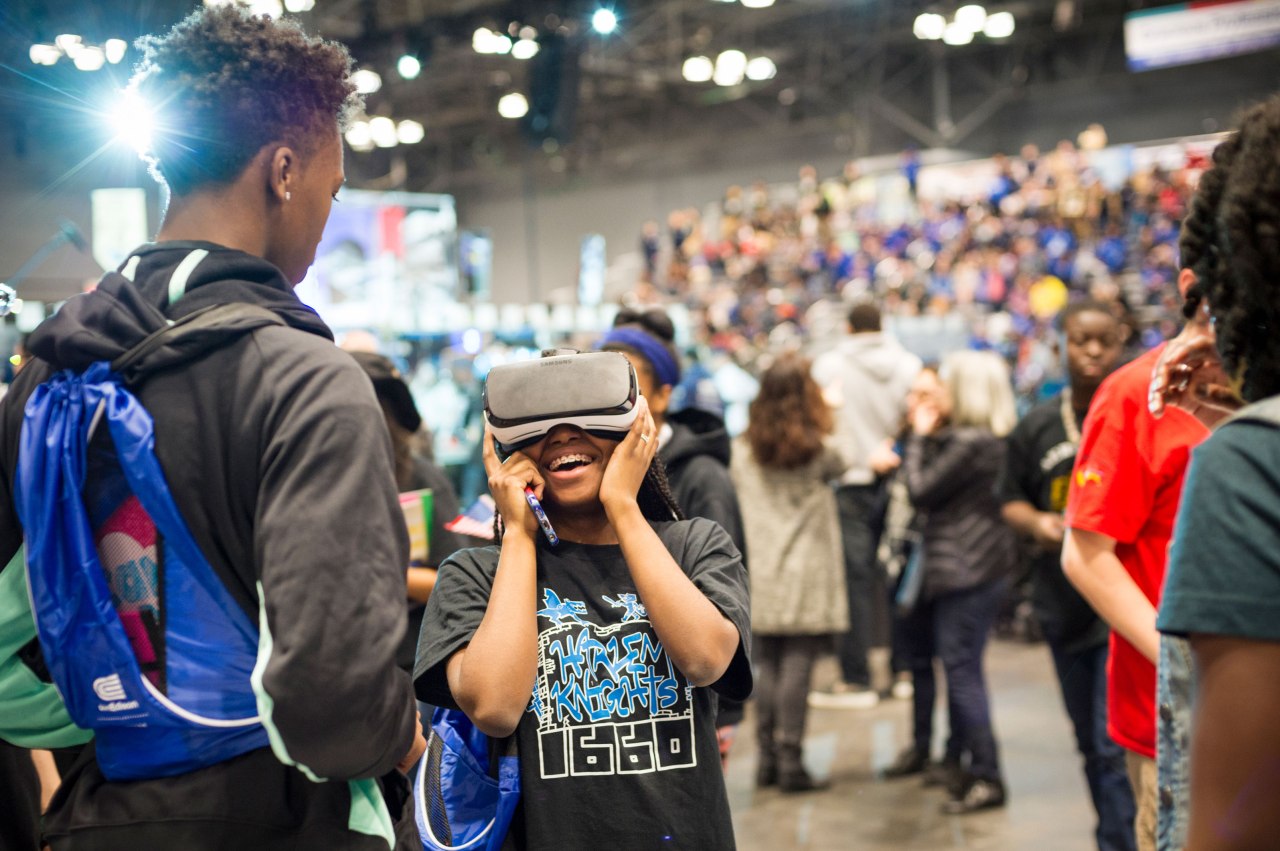
The narrative surrounding virtual reality (VR) and augmented reality (AR) has evolved dramatically since their introductions, leading us to a pivotal juncture in technology adoption. As these immersive experiences begin to find their footing in mainstream culture, one question looms large: how do we safely integrate these tools into the lives of our youth? With the potential to revolutionize education and entertainment, VR and AR could offer unparalleled benefits for kids. However, navigating parental concerns regarding safety and exposure is crucial to fostering a positive relationship with these technologies.
A New Era of Technology Adoption
The childlike natural affinity for technology and gaming makes the youth a prime audience for VR and AR innovations. Today’s children are digital natives who thrive on engaging, visually-enhanced experiences. From thrilling video games to captivating educational applications, these tools could transform the mundane into the extraordinary.
However, with this comes apprehension from parents who have long scrutinized screen time and content appropriateness. It’s reminiscent of past cultural shifts—like the uproar over the film “Indiana Jones and the Temple of Doom”—which prompted the establishment of the PG-13 rating. As VR and AR push boundaries, it’s essential that the industry proactively seeks a solution to circumvent potential backlash from concerned parents.
The Immersive Learning Experience
- Dynamic Educational Tools: Imagine walking through historical sites without leaving your classroom or manipulating atoms in real-time—a concept made tangible by a VR project called “World of Comenius.” Such experiences not only captivate students but also enable them to grasp complex subjects through immersive exploration.
- Empathy and Collaboration: VR and AR offer new avenues for fostering empathy and collaboration among students. By engaging in scenarios that require teamwork and perspective-taking, children can develop essential skills for the digital era.
- Personalized Learning: These tools also cater to diverse learning styles. Research shows that blended learning—combining traditional methods with modern technologies—promotes autonomy in students, motivating them to pursue their interests independently.
Educational VR and AR platforms, like **[Nearpod](https://nearpod.com)**, have already begun paving the way, demonstrating how such immersive technologies can enhance learning outcomes. Yet, as we look to the future, safeguarding this innovation represents a critical consideration for the industry.
Creating a Safe Haven for Innovation
To avoid the anticipated parental backlash and encourage further innovation, self-regulation within the VR and AR industry is vital. Learning from the entertainment sector, we can implement a rating system that clearly denotes age-appropriate content. Furthermore, developers could establish parental controls to manage usage seamlessly, putting the power back into parents’ hands. A simple input of a code to monitor screen time, akin to controls on televisions, could profoundly influence parental comfort levels.
These strategies not only address parents’ concerns but may also foster goodwill within the market, ultimately driving the integration of educational VR and AR products tailored to young minds. In essence, this proactive approach could ensure that technologies like these remain a welcomed part of educational frameworks and consumer landscapes.
Conclusion: The Future Awaits
The ever-evolving landscapes of VR and AR hold unprecedented promise for the younger generation. By embracing self-regulation and establishing safeguards for content consumption, the industry can effectively mitigate parental fears while fostering an encouraging environment for innovation. As we stand on the brink of this technological renaissance, it is imperative to nurture the possibilities that lie ahead. Our children are not just consumers; they are the future innovators of a rapidly changing digital world.
At **[fxis.ai](https://fxis.ai/edu)**, we believe that such advancements are crucial for the future of AI, as they enable more comprehensive and effective solutions. Our team is continually exploring new methodologies to push the envelope in artificial intelligence, ensuring that our clients benefit from the latest technological innovations. For more insights, updates, or to collaborate on AI development projects, stay connected with **[fxis.ai](https://fxis.ai/edu)**.